
Introduction
Pike fishing in Alaska is an exhilarating experience that attracts anglers from all corners of the globe. Known for its pristine landscapes and abundant wildlife, Alaska offers some of the best pike fishing opportunities in the world. Local guides, with their in-depth knowledge of the region, play a crucial role in helping anglers navigate the state’s vast lakes and rivers. This guide will explore the best destinations for pike fishing in Alaska, the role of local guides, and essential tips for a successful fishing adventure. For more detail, see official guidance.
The Role of Local Guides in Pike Fishing
Fishing in Alaska can be a daunting task without the expertise of local guides. These seasoned professionals possess intimate knowledge of the best fishing spots, seasonal patterns, and effective techniques. Hiring a local guide not only enhances your chances of landing a trophy pike but also ensures a safer and more enjoyable experience. . For more detail, see further information.
Local guides are familiar with the unique challenges of Alaskan waters, such as rapid weather changes and variable water conditions. They also adhere to sustainable fishing practices, ensuring that the natural beauty and fish populations are preserved for future generations. With their expert guidance, anglers can focus on the thrill of the catch rather than the logistics of the trip. For more detail, see detailed advice.
Prime Locations for Pike Fishing in Alaska
Minto Flats. For more detail, see planning resources.
Minto Flats, located northwest of Fairbanks, is renowned for its abundant pike population. The area’s network of streams, lakes, and marshes provides an ideal habitat for northern pike. Anglers can expect to encounter large specimens, often exceeding 20 pounds. The remoteness of Minto Flats adds to the allure, offering a sense of solitude and unspoiled wilderness. For more detail, see local insights.
Susitna River
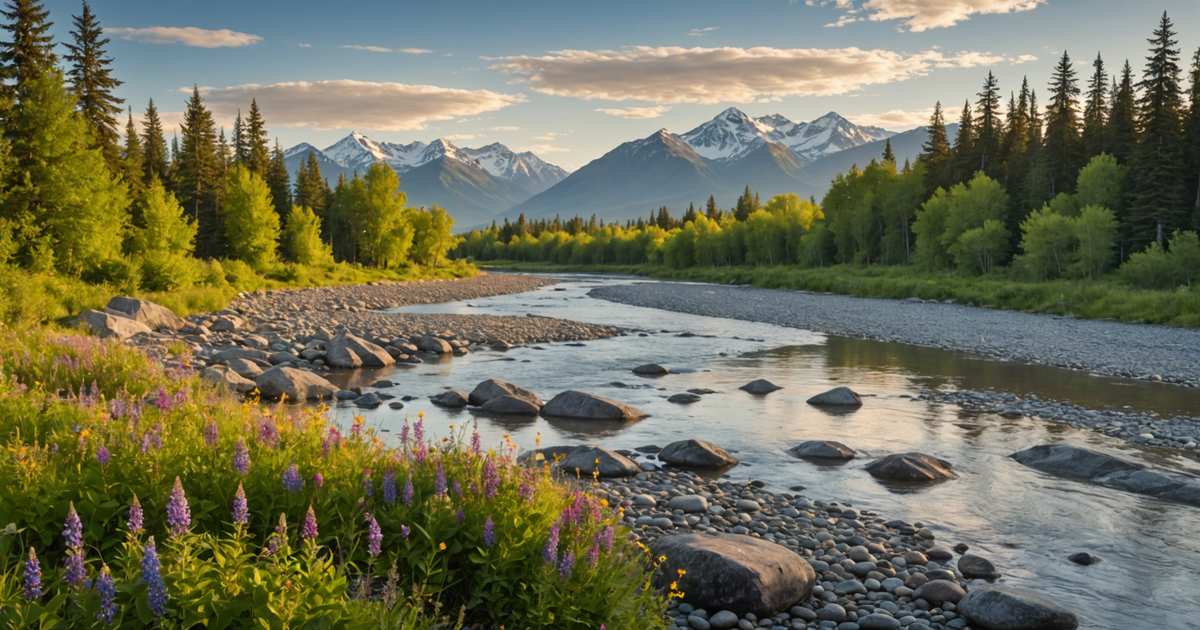
The Susitna River, flowing through south-central Alaska, is another prime location for pike fishing. The river’s slow-moving waters and numerous backchannels create an ideal environment for pike to thrive. Local guides often recommend this area for beginners, as the waters are accessible and teeming with fish. Additionally, the scenic backdrop of the surrounding mountains enhances the overall experience.
Yentna River
A tributary of the Susitna River, the Yentna River is a hidden gem for pike fishing enthusiasts. Its remote location and limited access ensure a tranquil fishing experience, away from the crowds. The river is known for producing large pike, making it a favourite among seasoned anglers seeking a challenge.
Best Times and Techniques for Pike Fishing
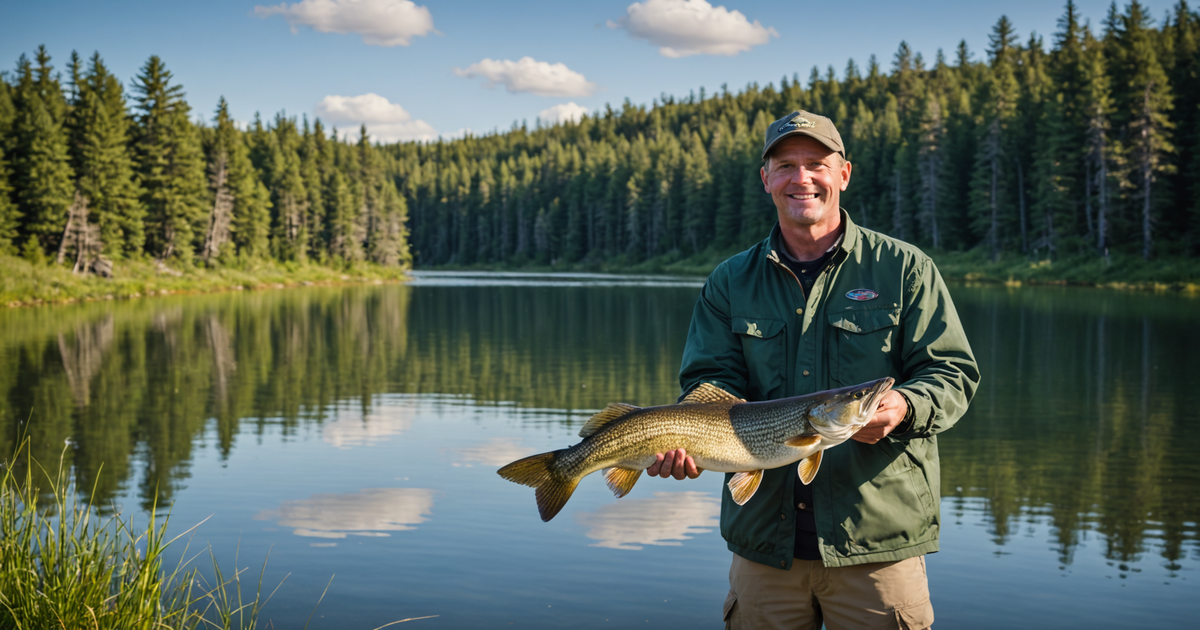
The timing of your pike fishing trip can significantly impact your success. The best time for pike fishing in Alaska is during the late spring and early summer months, typically from May to June. During this period, pike are actively feeding after the long winter, increasing the likelihood of a successful catch.
For techniques, local guides often recommend using large, flashy lures to attract the attention of pike. They are known for their aggressive strikes, so using the best plug fishing lures can make a significant difference. Additionally, understanding the behaviour of pike, such as their preference for shallow waters near vegetation, can enhance your strategy.
Essential Equipment for Pike Fishing
Proper equipment is vital for a successful pike fishing trip. A durable rod and reel with a strong line are essential to withstand the powerful strikes and fights of large pike. Many local guides recommend medium-heavy to heavy rods with a high-capacity spinning reel.
It is also crucial to invest in quality lures and terminal tackle. Pike have sharp teeth, so using a leader line made of steel or heavy fluorocarbon is advisable to prevent bite-offs. For more information on choosing the right gear, consider exploring our outdoor equipment resources.
Conclusion
Pike fishing in Alaska offers an unparalleled adventure amidst breathtaking landscapes and diverse wildlife. Whether you’re a novice angler or a seasoned pro, employing the expertise of local guides ensures a rewarding and memorable experience. By venturing to prime locations such as Minto Flats and the Susitna River, equipped with the right techniques and gear, you’re set for an unforgettable fishing expedition.
FAQ
What is the best time of year for pike fishing in Alaska?
The optimal time for pike fishing in Alaska is late spring to early summer, particularly from May to June. During this period, pike are highly active and more likely to bite.
Do I need a fishing licence to fish for pike in Alaska?
Yes, a valid fishing licence is required to fish in Alaska. You can obtain one through the Alaska Department of Fish and Game.
Are there any specific regulations for pike fishing in Alaska?
Pike fishing regulations can vary by region and water body. It’s essential to consult the Alaska fishing regulations before your trip.
What should I bring on a pike fishing trip in Alaska?
Along with your fishing gear, consider packing weather-appropriate clothing, insect repellent, and a camera to capture your adventure. A local guide can provide additional recommendations based on the location.
How do local guides enhance the pike fishing experience?
Local guides bring invaluable knowledge of the best fishing spots, effective techniques, and safety practices. Their expertise can significantly increase your chances of success and provide a deeper understanding of the local ecosystem.
Can I fish for pike independently, or should I hire a guide?
While it’s possible to fish independently, hiring a local guide is highly recommended, especially for first-time visitors. Guides offer insights that can make your trip more productive and enjoyable.
What other fishing opportunities are available in Alaska?
Alaska is renowned for its diverse fishing opportunities, including salmon and halibut fishing. For more information on other angling experiences, visit our angling tips section.