
Introduction
When it comes to fishing in Alaska, the pink salmon, also known as the humpback salmon, is a species that often captures the interest of anglers and wildlife enthusiasts alike. Their intriguing lifecycle and unique characteristics make them a subject of fascination. Understanding what pink salmon look like is essential for anyone planning to fish Alaska’s rich waters, whether you’re a seasoned angler or a curious visitor eager to explore the diverse aquatic life. For more detail, see official guidance.
What Do Pink Salmon Look Like?
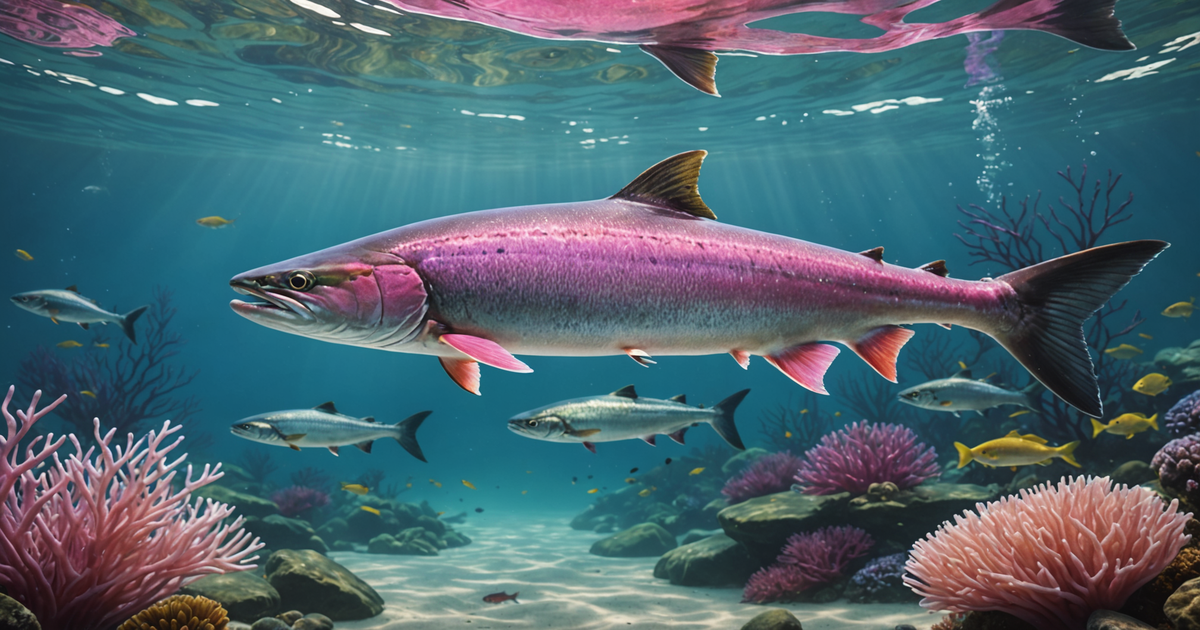
Pink salmon, scientifically known as Oncorhynchus gorbuscha, are the smallest of the Pacific salmon species. Typically, they weigh between 3.5 to 5 pounds and measure around 20 to 25 inches long. Despite their smaller size, they are abundant and form a critical component of Alaska’s marine ecosystem. For more detail, see further information.
Identifying Features. For more detail, see detailed advice.
The key to identifying pink salmon lies in their distinctive physical features. Their bodies are adorned with a silvery sheen when they are in the ocean, a common trait among salmon that aids in camouflage. As they migrate to freshwater for spawning, their appearance transforms dramatically. Male pink salmon develop a pronounced hump on their backs, a feature so distinctive it earns them the nickname “humpies.” Females, on the other hand, maintain a more streamlined shape without the pronounced hump. For more detail, see planning resources.
Colour Changes. For more detail, see local insights.
In the ocean, pink salmon exhibit a blue-green hue on their upper bodies, which transitions to a silvery white on their underbellies. This coloration provides excellent camouflage against predators. During the spawning season, however, their colour shifts to a dull grey and white, with males taking on a darker hue. This change in colour is not just for show; it plays a vital role in their reproductive strategy.
Distinguishing from Other Salmon
While pink salmon have some similarities with other salmon species, such as the sockeye or coho, they can be distinguished by their size, the distinctive hump on males, and their unique spawning colouration. Unlike the coho or chinook salmon, pink salmon do not exhibit the same vibrant red or orange colours during spawning.
Habitat and Lifecycle
Pink salmon are anadromous, meaning they spawn in freshwater but spend most of their lives in the ocean. They are prolific breeders, with a life cycle that lasts only two years, the shortest among the Pacific salmon. This rapid life cycle results in large biennial runs, particularly in odd-numbered years in Alaska.
Spawning Habits
Pink salmon prefer to spawn in small, gravelly streams and rivers. The females create nests, known as redds, where they lay thousands of eggs. After spawning, both males and females die, providing a vital nutrient source for aquatic ecosystems and terrestrial wildlife.
Migration Patterns
Their migration from ocean to freshwater is a spectacle that attracts anglers and wildlife enthusiasts alike. Understanding the timing of these migrations can help enthusiasts plan their Alaska fishing trips effectively, ensuring they witness this natural phenomenon.
Ecological Importance
Pink salmon play a crucial role in Alaska’s ecosystem. Their spawning runs provide a significant food source for bears, birds, and other wildlife. Moreover, their decaying bodies enrich the nutrient-poor streams, supporting a diverse range of aquatic life. For those interested in sustainable fishing practices, pink salmon are an excellent focus due to their abundance and the minimal impact their harvest has on the environment. Learn more about sustainable practices in Alaska.
Fishing for Pink Salmon in Alaska
Fishing for pink salmon is a popular activity in Alaska, particularly during the peak of their spawning runs. Anglers can enjoy the challenge of catching these lively fish while being surrounded by the stunning Alaskan wilderness. For those planning a trip, Travel Alaska provides excellent resources for understanding the best times and locations to experience this fishing adventure.
Gear and Techniques
Fishing for pink salmon doesn’t require specialised gear. Light tackle, spinners, and flies are commonly used to entice these fish. Anglers often find success in the early morning or late evening, when the salmon are most active. For tips on gear, check out some recommended fishing gear for Alaskan adventures.
Conclusion
Understanding what pink salmon look like is more than just an exercise in identification; it’s a gateway to appreciating their role in Alaska’s vibrant ecosystems. Whether you’re fishing, exploring, or simply learning about these fascinating creatures, the pink salmon offers a glimpse into the intricate web of life in Alaskan waters.
FAQ
1. What is the best time to fish for pink salmon in Alaska?
The best time to fish for pink salmon is during their spawning run, which typically occurs in July and August during odd-numbered years. Check out all guided fishing tours for tailored experiences.
2. How can I distinguish between male and female pink salmon?
Male pink salmon develop a pronounced hump on their backs during spawning, while females remain more streamlined.
3. Are pink salmon safe to eat?
Yes, pink salmon are safe and delicious to eat. They are a popular choice for many Alaskan cuisine recipes.
4. Can you fish for pink salmon in Alaska year-round?
Pink salmon are primarily available during their spawning runs in summer. For other fishing opportunities, explore Alaska’s fishing guides.
5. Do pink salmon have any predators?
Yes, pink salmon have several natural predators, including bears, birds, and larger fish species.
6. Where can I learn more about fishing regulations in Alaska?
For comprehensive information on fishing regulations, visit the Alaska Department of Fish and Game.
7. What is the average lifespan of a pink salmon?
Pink salmon have a short lifespan of just two years, which is the shortest among the Pacific salmon species.
8. Can I catch pink salmon on a fly rod?
Yes, pink salmon are often caught using fly rods, making them a popular target for fly fishing enthusiasts. Check out fly fishing tips for more information.