
Introduction
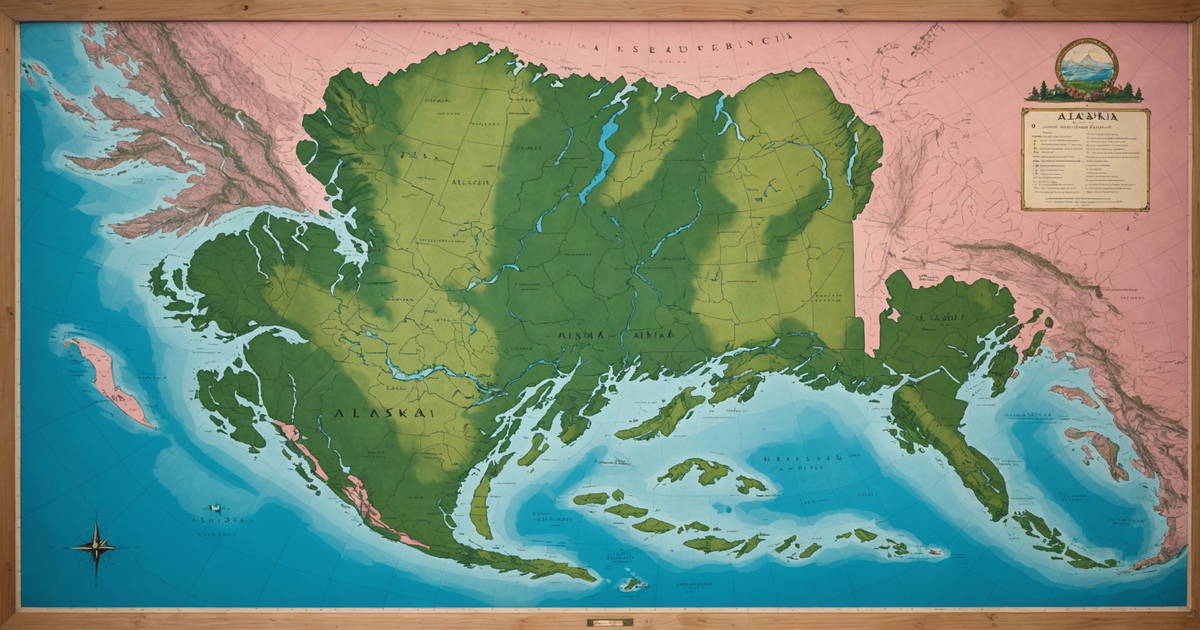
Alaska is a haven for anglers worldwide, renowned for its pristine waters and abundant fish species. Among these, the pink salmon, commonly known as the “humpy,” stands out with its distinct humpback appearance during spawning. This guide explores the fascinating world of pink salmon humpy in Alaska, offering insights into their biology, habitat, and the best practices for fishing them with expert guidance. For more detail, see official guidance.
Understanding Pink Salmon Humpy
Biological Characteristics. For more detail, see further information.
The pink salmon, or Oncorhynchus gorbuscha, is the smallest and most abundant of the Pacific salmon species. They are easily identifiable by their light pink flesh and the pronounced hump that males develop during spawning. Pink salmon typically weigh between 3 to 5 pounds and measure 18 to 24 inches in length. Their lifecycle is notably short, with a two-year span that makes their runs predictable and consistent. For more detail, see detailed advice.
Habitat and Distribution. For more detail, see planning resources.
Pink salmon are native to the cold waters of the North Pacific Ocean and are particularly prolific in Alaskan rivers and coastal areas. They thrive in the Gulf of Alaska and the Bering Sea, making these regions prime spots for pink salmon fishing. During their spawning season, which peaks between July and September, they migrate from the ocean to freshwater streams and rivers. For more detail, see local insights.
Guided Fishing in Alaska
The Role of a Guide
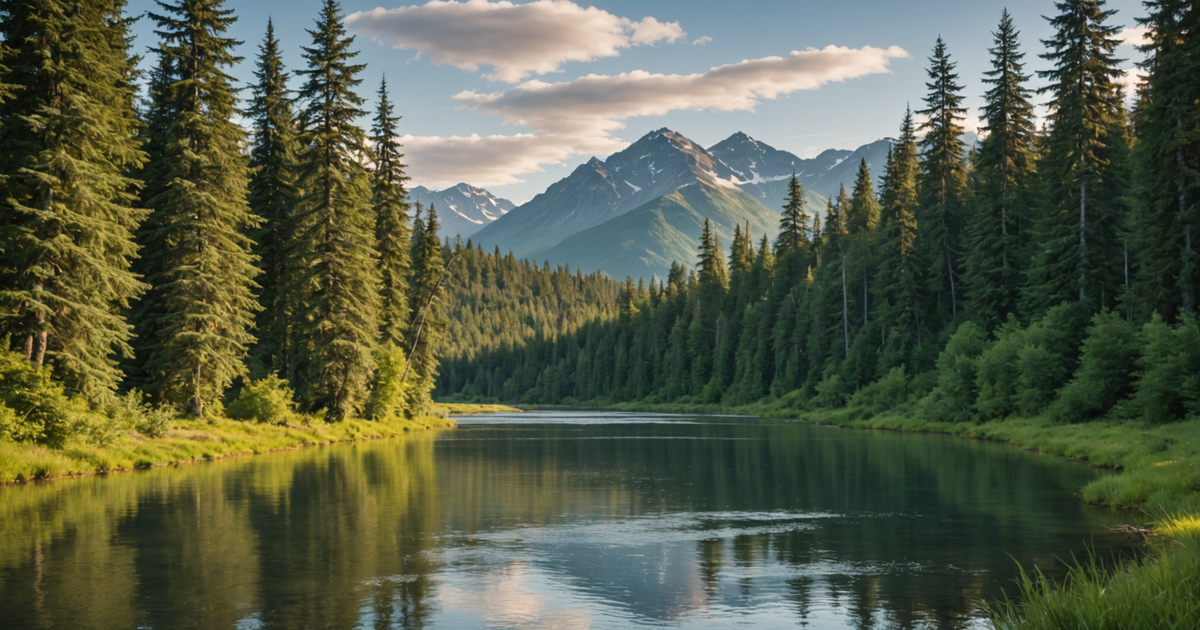
Fishing in Alaska is an exhilarating experience, but the vastness and complexity of its waters can be daunting. Hiring a professional guide can enhance your trip significantly. Guides not only provide valuable local knowledge and expertise in identifying the best fishing spots but also ensure adherence to Alaskan fishing regulations, thus promoting sustainable fishing practices.
Choosing the Right Gear
For a successful fishing trip, it’s crucial to use the appropriate gear. The best salmon hooks are designed to handle the unique challenges of pink salmon fishing. Additionally, understanding how to use baits effectively, such as Brad’s Super Baits, can make a significant difference in your catch rate.
Top Fishing Locations
Alaska boasts numerous prime locations for pink salmon fishing. The Kenai River is world-renowned, while the Kasilof River offers a more secluded experience. For first-timers, the Kasilof River Fishing Guide is an invaluable resource. Each location presents unique challenges and opportunities, making it essential to plan your trip with detailed insights from experienced guides.
Conservation and Sustainability
Importance of Sustainable Practices
As with all natural resources, pink salmon populations must be managed responsibly to ensure their longevity. The Alaska Department of Fish and Game implements strict regulations to balance fishing opportunities with conservation efforts. Anglers are encouraged to follow sustainable fishing practices to minimise their environmental impact while enjoying the sport.
Catch and Release
Catch and release is a widely promoted practice in Alaska, allowing anglers to enjoy fishing while preserving fish populations. This method is particularly important during peak spawning seasons, ensuring that pink salmon can complete their lifecycle and contribute to future generations.
Conclusion
Fishing for pink salmon humpy in Alaska is a rewarding venture, offering both the thrill of the catch and the serene beauty of the Alaskan wilderness. With the guidance of experienced professionals and adherence to sustainable practices, anglers can enjoy this remarkable experience while contributing to the preservation of Alaska’s natural resources. Whether you’re a seasoned angler or a curious beginner, the waters of Alaska await with their rich bounty and unmatched adventure.
FAQ
1. What is the best time to fish for pink salmon humpy in Alaska?
The peak season for pink salmon fishing in Alaska is from late July to early September, coinciding with their spawning run.
2. Do I need a fishing licence to fish for pink salmon in Alaska?
Yes, a fishing licence is required for all anglers in Alaska. Licences can be purchased through the Alaska Department of Fish and Game website.
3. What gear is recommended for pink salmon fishing?
Using the best salmon hooks and appropriate baits are crucial. Lightweight rods with a moderate-fast action are also recommended for pink salmon fishing.
4. Are there guided fishing tours available in Alaska?
Yes, Alaska offers numerous guided salmon fishing tours that cater to different skill levels and preferences.
5. What are some sustainable fishing practices I can follow?
Practices include catch and release, using barbless hooks, and adhering to fishing regulations to protect fish populations and ecosystems.
6. Where can I find more information about planning a fishing trip to Alaska?
Resources such as Travel Alaska and Alaska Adventure Guides provide comprehensive information on planning a successful fishing trip.
7. Can I fish for other salmon species in Alaska?
Yes, Alaska is home to several salmon species, including king, sockeye, and coho salmon, each offering unique fishing experiences.
8. How can I ensure my fishing trip is environmentally friendly?
Follow Leave No Trace principles, minimise waste, and respect local wildlife and habitats to ensure an eco-friendly fishing adventure.