
Introduction
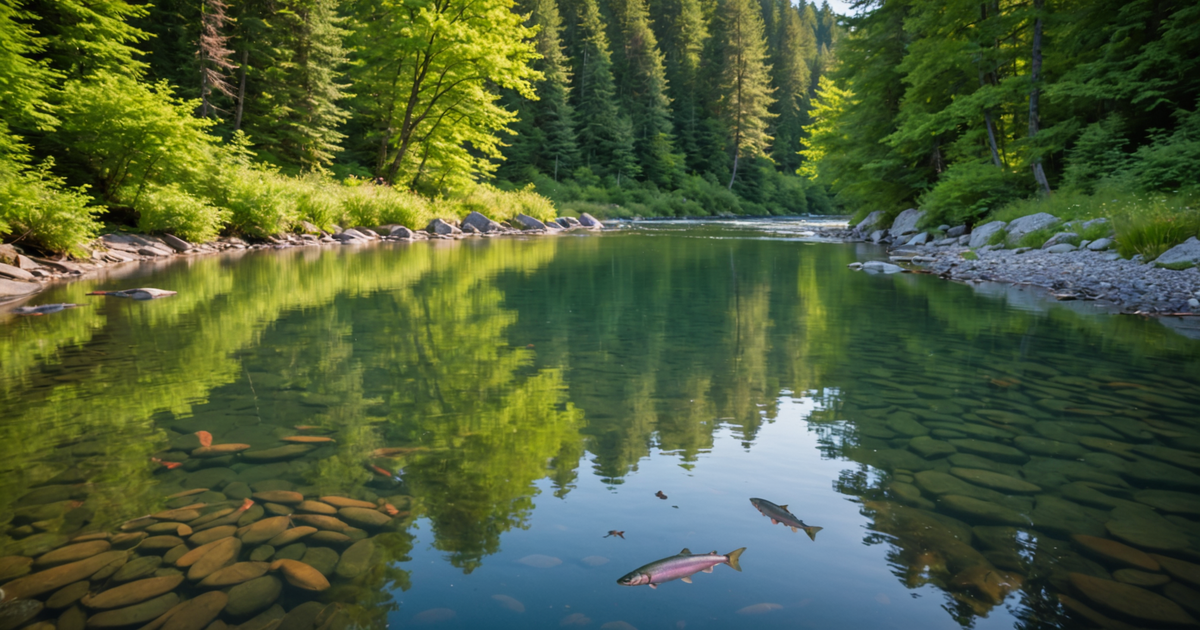
Pink salmon, also known as humpback salmon due to the distinctive hump males develop during spawning, are a fascinating species native to the North Pacific Ocean and an integral part of Alaska’s aquatic ecosystems. Understanding the reproductive behaviours of pink salmon is crucial for both conservation efforts and the fishing industry. This article delves into the specifics of whether pink salmon reproduce sexually or asexually, shedding light on their life cycle and the importance of their role within Alaska’s natural environment. For more detail, see official guidance.
Pink Salmon Reproduction: Sexual or Asexual?
The Basics of Pink Salmon Reproduction. For more detail, see further information.
Pink salmon (Oncorhynchus gorbuscha) reproduce sexually, which is the norm among salmonid species. Unlike asexual reproduction, where offspring are produced by a single parent, sexual reproduction in pink salmon involves the combination of genetic material from two parents. This process begins in the freshwater streams and rivers of Alaska, where adult pink salmon return after spending about two years in the ocean. . For more detail, see detailed advice.
The Spawning Process. For more detail, see planning resources.
The spawning process of pink salmon is a remarkable event. Upon reaching maturity, typically at two years of age, pink salmon migrate from the ocean back to the freshwater streams where they were born. This journey, known as anadromous migration, is driven by both instinct and environmental cues. For more detail, see local insights.
Once in the freshwater environment, female pink salmon select a suitable site for laying eggs, known as a redd. Using their tails, they dig shallow nests in the gravel where they deposit their eggs. Males then fertilise these eggs by releasing milt, which contains sperm, over the redd. This fertilisation process is purely sexual, requiring the genetic contribution from both male and female salmon. 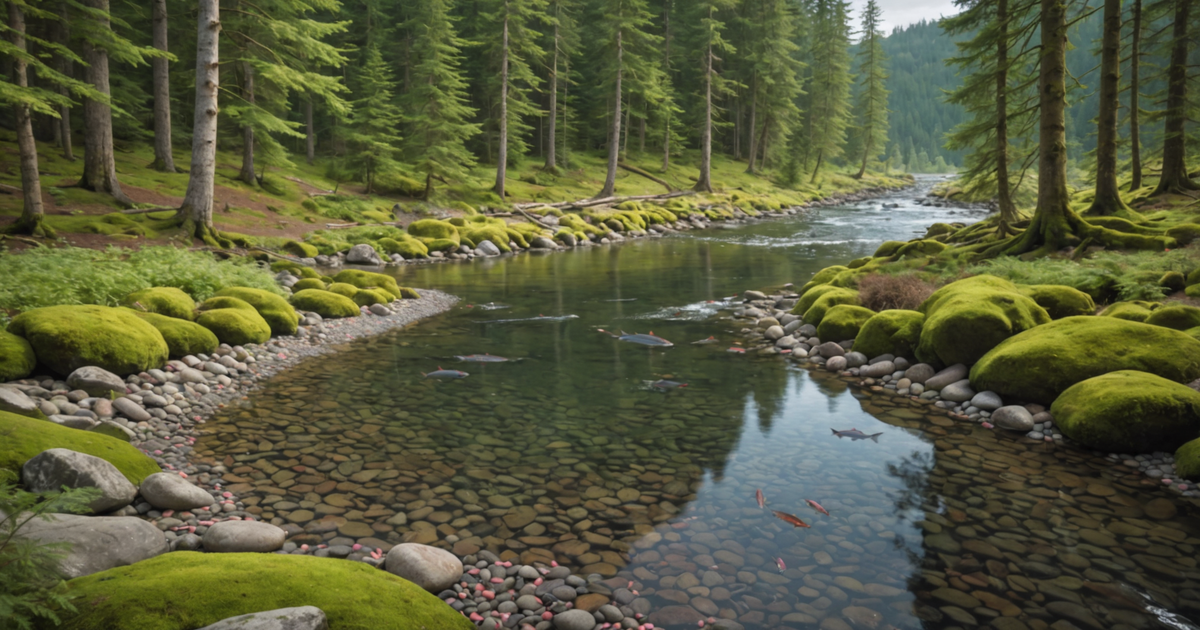
The Role of the Environment
The reproductive success of pink salmon is heavily influenced by environmental factors. Water temperature, stream flow, and gravel composition all play crucial roles in the development of eggs and the survival of fry. In Alaska, where the environment can be harsh and variable, pink salmon have adapted to these conditions, ensuring their continued survival and contribution to the ecosystem.
For those interested in exploring Alaska’s rich fishing opportunities, the Kenai Peninsula offers a glimpse into these dynamic ecosystems. Understanding the environmental requirements of pink salmon can also aid in conservation efforts, ensuring sustainable fishing practices are upheld.
Genetic Diversity and Evolution
Sexual reproduction in pink salmon is vital for maintaining genetic diversity, which is crucial for the species’ adaptability and resilience. The mixing of genes from both parents results in offspring that are genetically distinct, enhancing their ability to survive in changing environments. This genetic diversity is a cornerstone of evolution and is essential for the long-term survival of pink salmon populations.
Conservation and Management
Given their importance, pink salmon are subject to various conservation and management efforts in Alaska. The Alaska Department of Fish and Game plays a crucial role in regulating fishing practices and ensuring the sustainability of pink salmon populations. Understanding the intricacies of pink salmon reproduction is key to these efforts, as it allows for informed decision-making and effective management strategies.
For fishing enthusiasts, visiting the Alaska Salmon Candy Tackle Shop can provide valuable insights into the gear and techniques best suited for salmon fishing, supporting both recreational and conservation goals.
Human Impacts and Challenges
Human activities, such as habitat destruction, pollution, and climate change, pose significant threats to pink salmon populations. Efforts to mitigate these impacts are crucial, as healthy salmon populations are essential not only for biodiversity but also for local communities that rely on them for food and economic benefits.
The NOAA Fisheries provides guidelines and regulations essential for the conservation of salmon species. By following these regulations and supporting sustainable practices, we can help ensure the continued survival of pink salmon in Alaska.
Conclusion
In conclusion, pink salmon reproduce sexually, relying on a complex interplay of biological and environmental factors. Their reproductive strategies are finely tuned to the challenging conditions of Alaska’s waterways, ensuring their persistence and vital role in the ecosystem. Understanding these processes is essential for effective conservation and sustainable management, safeguarding this remarkable species for future generations.
For those looking to explore Alaska’s unique fishing opportunities, fishing charters offer an exciting way to engage with these ecosystems while supporting conservation efforts.
FAQ
What is the typical lifespan of pink salmon?
Pink salmon typically have a two-year life cycle, with the majority of their life spent in the ocean before returning to freshwater to spawn.
How do pink salmon find their way back to their spawning grounds?
Pink salmon use a combination of environmental cues and olfactory memory to navigate back to their natal streams for spawning.
Are pink salmon native to Alaska?
Yes, pink salmon are native to the North Pacific Ocean, including the waters of Alaska, where they play a crucial role in local ecosystems.
What threats do pink salmon face?
Pink salmon face threats from habitat destruction, pollution, climate change, and overfishing, all of which can impact their populations and reproductive success.
How can I support pink salmon conservation?
Supporting sustainable fishing practices and adhering to fishing regulations are key ways to support pink salmon conservation.
What role do pink salmon play in the ecosystem?
Pink salmon are important for nutrient cycling in aquatic ecosystems and serve as a food source for a variety of wildlife, including bears and birds.
Where can I learn more about fishing in Alaska?
For more information on fishing in Alaska, visiting resources like Travel Alaska’s fishing guide can provide valuable insights and planning tips.
Can I fish for pink salmon in Alaska?
Yes, pink salmon fishing is a popular activity in Alaska, and several resources, such as the Historic Chulitna River Lodge Tours, offer guided fishing experiences for enthusiasts.