
Introduction
Alaska, a pristine wilderness teeming with rich biodiversity, is home to a variety of salmon species, with the pink salmon being one of the most iconic. Known for their characteristic spawning colours and delicate flavour, pink salmon are a favourite among anglers visiting the Alaskan waters. This article delves into the fascinating world of the pink salmon species, offering insights into their habitats, how to identify them, and the optimal times for fishing. Whether you’re a seasoned angler or a curious traveller, understanding the nuances of pink salmon can enhance your Alaskan fishing adventure. For more detail, see official guidance.
Understanding the Pink Salmon Species
Habitat and Lifecycle. For more detail, see further information.
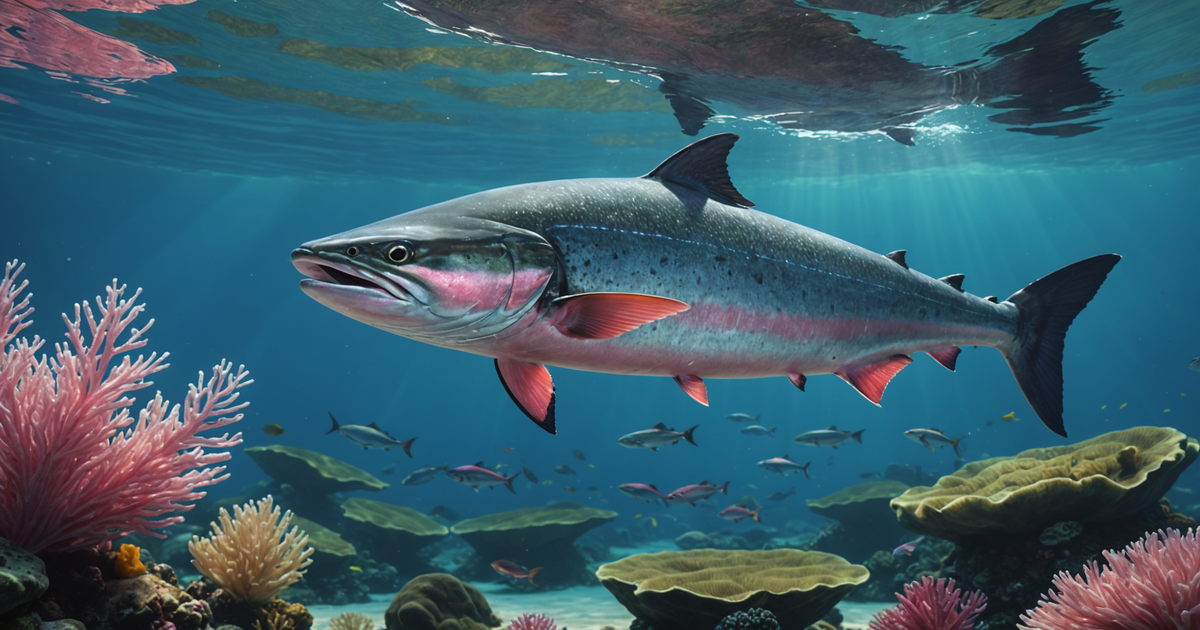
The pink salmon, also known as Oncorhynchus gorbuscha, is the smallest and most abundant of the Pacific salmon species. Typically found in the cool, nutrient-rich waters of Alaska, these salmon have adapted to thrive in both saltwater and freshwater environments. Their lifecycle begins in freshwater streams and rivers, where they hatch and spend the early stages of their lives before migrating to the ocean. After spending 18 months in the ocean, they return to their natal rivers to spawn, completing their life cycle. For more detail, see detailed advice.
Physical Characteristics. For more detail, see planning resources.
Identifying pink salmon is relatively straightforward due to their distinctive features. These fish typically range from 1.5 to 2.5 kilograms in weight and are about 40 to 60 centimetres in length. During their spawning phase, males develop a pronounced hump on their backs, which has earned them the nickname “humpback” salmon. Their bodies take on a striking pink hue with large, oval spots on their backs and tails. For more detail, see local insights.
Diet and Feeding Habits
In the ocean, pink salmon primarily feed on zooplankton, small fish, and squid. Their diet is rich in nutrients, contributing to their speedy growth. As they return to freshwater to spawn, their feeding diminishes significantly, focusing their energy on migration and reproduction.
Optimal Fishing Times and Techniques
Seasonal Runs
The best time to fish for pink salmon in Alaska is during their peak spawning runs, which occur from mid-July to late August. During these months, vast numbers of pink salmon return to Alaskan rivers, providing anglers with abundant opportunities.
Equipment and Techniques
Fishing for pink salmon requires specific gear and techniques. Utilising light tackle and small lures can be particularly effective. For a successful fishing experience, consider using quality salmon hooks designed to ensure solid hook-ups, and explore best plug fishing lures that attract big fish.
For those unfamiliar with the local waters, hiring an experienced fishing guide can be invaluable. They can provide insights on the best fishing spots and techniques, ensuring a fruitful adventure.
Conservation and Regulations
Sustainable Practices
Conservation efforts are crucial to maintaining the pink salmon population in Alaska. Anglers are encouraged to practice catch and release where possible and adhere to local regulations to ensure the sustainability of these fish.
Fishing Regulations
Before embarking on your fishing journey, it’s essential to familiarise yourself with the fishing regulations set by the Alaska Department of Fish and Game. These regulations are designed to protect fish populations and ensure a sustainable fishing environment for future generations.
Planning Your Alaskan Fishing Adventure
Choosing the Right Location
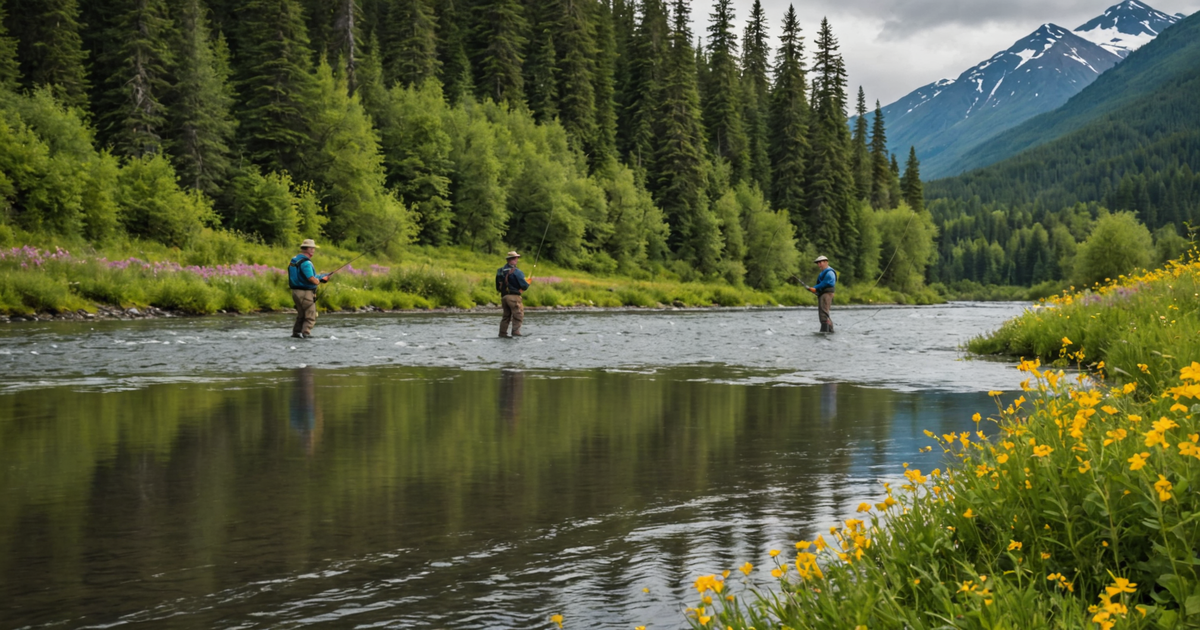
Alaska boasts numerous fishing destinations, each offering unique experiences. The Kenai Peninsula is particularly renowned for its salmon runs, making it a prime location for pink salmon fishing. Additionally, exploring the Kasilof River can provide a rewarding experience for first-time anglers.
Guided Tours and Packages
Opting for a guided fishing tour can enhance your Alaskan adventure. These tours not only provide practical fishing guidance but also include insights into the local ecosystem and culture. For those planning an extended stay, consider exploring various fishing packages tailored to different preferences and budgets.
Conclusion
The pink salmon species is a testament to Alaska’s rich natural heritage, offering anglers an unforgettable experience amidst breathtaking landscapes. By understanding their lifecycle, optimal fishing techniques, and adhering to conservation practices, you can make the most of your Alaskan fishing expedition. Whether you’re drawn by the thrill of the catch or the serene beauty of Alaska’s rivers, pink salmon fishing promises to be an adventure like no other.
FAQ
What is the best time of year to fish for pink salmon in Alaska?
The optimal time to fish for pink salmon in Alaska is during their peak spawning runs, from mid-July to late August.
How can I identify a pink salmon?
Pink salmon are identifiable by their small size, distinct pink hue during spawning, and the males’ pronounced humpback.
What equipment is recommended for pink salmon fishing?
Using light tackle, small lures, and quality salmon hooks is recommended for effectively fishing pink salmon.
Are there specific regulations for pink salmon fishing in Alaska?
Yes, there are specific fishing regulations in place to protect pink salmon populations. Familiarising yourself with these is essential before fishing.
What are some popular fishing destinations for pink salmon in Alaska?
The Kenai Peninsula and Kasilof River are renowned for their pink salmon runs.
How does a guided fishing tour enhance the experience?
Guided tours provide expert knowledge on fishing techniques, local insights, and access to the best fishing spots, ensuring a fulfilling and successful fishing trip.
Can I practice catch and release with pink salmon?
Yes, practising catch and release is encouraged to support the conservation of pink salmon populations.
Where can I learn more about planning an Alaskan fishing trip?
For more information on planning a successful Alaskan fishing adventure, visit Travel Alaska and My Alaskan Fishing Trip.