
Introduction
Alaska, known for its breathtaking landscapes and vibrant wildlife, holds a special allure for anglers worldwide. At the heart of this attraction lies the state’s prolific salmon population. Salmon fishing in Alaska offers an unparalleled experience, drawing enthusiasts eager to reel in the famed species that migrate through its icy waters. This article delves into the world of salmon fishing in Alaska, exploring the various species and the guided fishing trips that promise an unforgettable adventure. For more detail, see official guidance.
The Salmon Species of Alaska
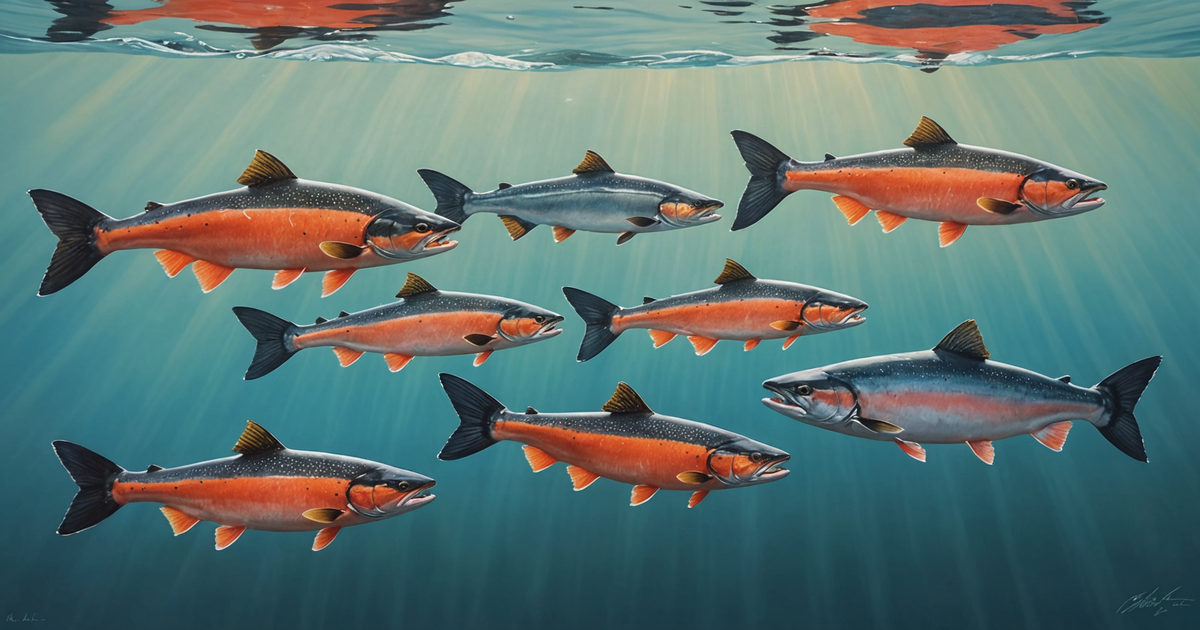
Alaska is home to five primary species of Pacific salmon, each offering unique challenges and rewards for anglers. These include the Chinook (King), Coho (Silver), Sockeye (Red), Pink (Humpy), and Chum (Dog) salmon. Each species has its own peak season, with runs happening from late spring through early autumn. For more detail, see further information.
Chinook Salmon. For more detail, see detailed advice.
The Chinook salmon, also known as the King salmon, is the largest of the five species, making it a prized catch for many anglers. These fish can weigh up to 100 pounds, though they typically average around 30 pounds. The thrill of catching a Chinook is unmatched, given their size and fighting spirit. For more detail, see planning resources.
Coho Salmon. For more detail, see local insights.
Coho salmon, or Silver salmon, are renowned for their acrobatic displays when hooked. They are generally smaller than the Chinook, averaging between 8 and 12 pounds. Coho are highly sought after for their aggressive nature and the challenge they present to both novice and experienced anglers.
Sockeye Salmon
Sockeye salmon are prized for their vibrant red meat and are an important species for both commercial fisheries and sport fishing. These salmon average 6 to 8 pounds and are known for their powerful runs, making them a favourite among fly fishermen.
Pink Salmon
Pink salmon, often referred to as Humpies due to the pronounced hump that males develop during spawning, are the most abundant species. Weighing in at an average of 3 to 5 pounds, they are an excellent target for beginners and those looking to catch salmon in large numbers.
Chum Salmon
Chum salmon, or Dog salmon, are appreciated for their tenacity and the vivid colouration of their spawning phase. While they average around 8 to 15 pounds, Chum salmon can offer a fierce battle, especially when caught on light tackle.
Guided Fishing Trips in Alaska
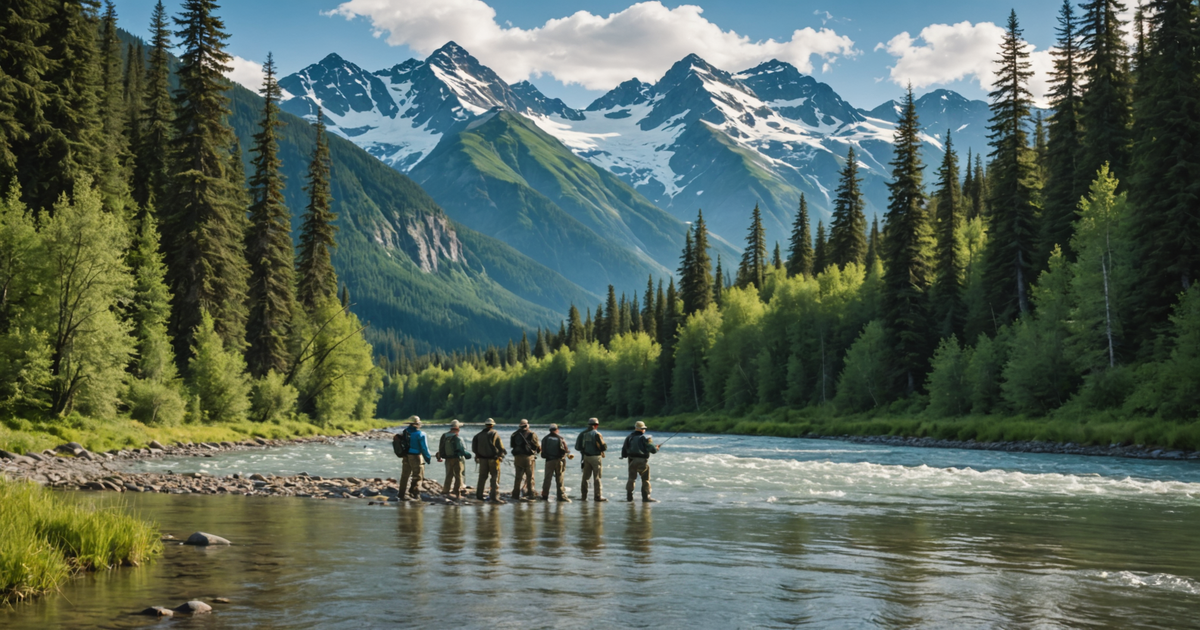
For those keen to experience the best of salmon fishing in Alaska, guided fishing trips offer an ideal solution. These trips provide access to prime fishing locations, expert knowledge, and all the necessary equipment, ensuring a successful and enjoyable outing.
Benefits of Guided Trips
Guided fishing tours offer numerous advantages, especially for those unfamiliar with the region or the intricacies of salmon fishing. Professional guides provide insider knowledge about the best fishing spots, techniques, and times to fish, significantly increasing the likelihood of a fruitful trip. Additionally, they ensure compliance with local fishing regulations, which can be complex and vary by location and species. For more on fishing techniques, you might consider exploring this article.
Top Locations for Guided Fishing
Alaska boasts numerous locations ideal for guided fishing trips. The Kenai River, renowned for its large Chinook salmon, and the Kasilof River are popular choices. Other notable spots include the Copper River, known for its Sockeye salmon, and the Sitka Sound, which offers opportunities to catch Coho salmon. For those interested in planning a comprehensive fishing trip, Travel Alaska provides invaluable resources.
Customising Your Experience
Many outfitters offer customisable packages, allowing anglers to tailor their trips based on preferences and skill levels. Whether you’re interested in fly fishing or traditional rod and reel methods, there’s an option to suit every need. For those who prefer a DIY approach, there are numerous resources available to guide you, such as these DIY fishing tips.
Planning Your Salmon Fishing Adventure
Proper planning is crucial to maximise your salmon fishing experience in Alaska. Consider scheduling your trip during peak salmon runs to increase your chances of success. The Alaska Department of Fish and Game provides up-to-date information on fishing seasons and regulations.
Gear and Equipment
While guided trips often provide equipment, knowing what to bring can enhance your experience. Essential gear includes a sturdy fishing rod and reel, suitable lures or flies, and appropriate attire for Alaska’s variable weather. For insights into specific gear, this article on salmon hooks is a valuable resource.
Legal Requirements and Conservation
Fishing in Alaska requires adherence to strict regulations to protect the environment and maintain sustainable fish populations. Ensure you have the necessary fishing licenses and are familiar with local rules. For detailed information, visit the NOAA Fisheries website.
Conclusion
Salmon fishing in Alaska is more than just a sport; it’s a journey into the wild heart of one of the world’s last great frontiers. With stunning landscapes and the thrill of the catch, it’s a bucket-list experience for any angler. Whether you opt for a guided trip or a DIY adventure, the opportunities to connect with nature and capture the excitement of salmon fishing are endless.
FAQ
1. What is the best time for salmon fishing in Alaska?
The peak salmon fishing season in Alaska runs from May through September, with specific timing varying by species and location. The Alaska Adventure Guides offer detailed insights into the best times to plan your trip.
2. Do I need a fishing license in Alaska?
Yes, a fishing license is required for all anglers in Alaska. Licenses can be purchased online or at various retail locations throughout the state. For more information, visit the Alaska Department of Fish and Game.
3. What should I bring on a guided fishing trip?
While gear is typically provided, it’s advisable to bring weather-appropriate clothing, personal items, and a camera to capture your adventure. Check with your tour provider for any specific recommendations.
4. Are there fishing trips suitable for beginners?
Absolutely, many guided trips cater to beginners, providing instruction and assistance to ensure a successful outing. Consider contacting local guides for more tailored experiences.
5. Can I take my catch home?
Yes, you can take your salmon home, but regulations on limits and preserving the fish apply. Always check current guidelines to ensure compliance.
6. What other wildlife might I see while fishing in Alaska?
Alaska’s diverse wildlife includes bears, eagles, and whales, among others. For more on Alaska’s wildlife, visit the Wildlife section of Alaska Adventure Guides.
7. How physically demanding is salmon fishing?
The physical demands vary based on the type of fishing and location. Some trips may require more physical exertion, while others are more relaxed. Discuss your preferences and limitations with your guide to find a suitable option.
8. Are there options for fly fishing enthusiasts?
Yes, Alaska offers excellent opportunities for fly fishing, particularly for species like Sockeye and Coho salmon. For more information, explore fly fishing resources.