
Introduction
Salmon fishing in Alaska is a dream for many anglers, offering the chance to catch some of the world’s most sought-after fish in stunning, wild environments. However, to protect these resources and ensure sustainable fishing, understanding the salmon fishing regulations is crucial. This guide will simplify the complex regulations, providing you with the knowledge to fish confidently, whether you’re a seasoned angler or a beginner looking for a guided experience. For more detail, see official guidance.
Understanding Alaska Salmon Fishing Regulations
The Importance of Regulations. For more detail, see further information.
Salmon fishing regulations are essential to preserve fish populations and habitats. Alaska’s Department of Fish and Game (ADFG) closely monitors these regulations to ensure sustainable fishing practices. By adhering to these rules, you contribute to the conservation of salmon species and help maintain the ecological balance of Alaska’s waterways. For more detail, see detailed advice.
Types of Salmon and Their Seasons. For more detail, see planning resources.
Alaska is home to five species of Pacific salmon: King (Chinook), Silver (Coho), Sockeye (Red), Pink (Humpy), and Chum (Keta). Each species has its own fishing season, which varies by region. For instance, King salmon are typically targeted from May through July, while Silver salmon are more abundant in late summer and early autumn. For more detail, see local insights.
Licensing and Permits
Before embarking on your fishing adventure, ensure you have the necessary licenses and permits. These can be obtained through the Alaska Department of Fish and Game. Whether you’re fishing in freshwater or saltwater, a sport fishing license is mandatory. Additionally, if you’re targeting King salmon, a special stamp may be required.
Catch Limits and Size Restrictions
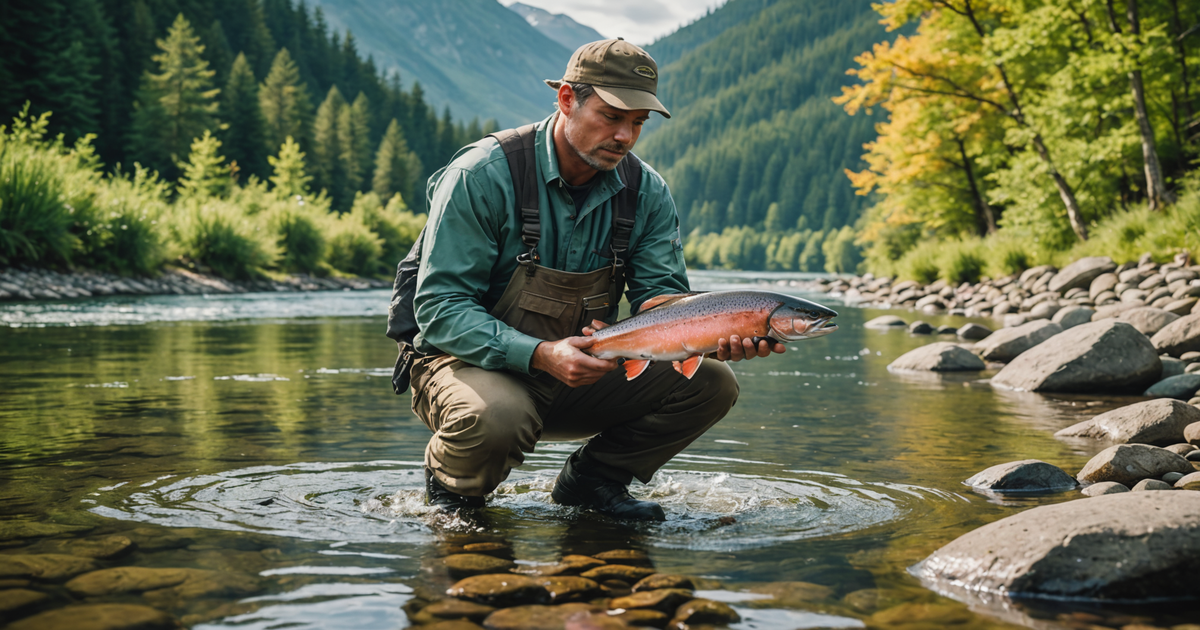
Regulations dictate catch limits and size restrictions to prevent overfishing. These limits vary by species and region, so it’s vital to stay informed about the specific rules for the area you’re fishing in. For instance, in some regions, you might be allowed to catch only one King salmon per day, with a total season limit.
Guided Fishing Trips
For those new to salmon fishing or unfamiliar with Alaska’s regulations, opting for a guided fishing trip can be beneficial. Experienced guides are well-versed in local rules and can provide valuable insights into the best fishing practices. Additionally, guided trips often enhance your overall experience by taking you to prime fishing locations.
Responsible and Sustainable Fishing Practices
Catch and Release
Practising catch and release is encouraged to help maintain healthy fish populations. Proper techniques, such as using barbless hooks and handling fish carefully, can increase the survival rate of released fish. For more tips on sustainable fishing, the Leave No Trace principles offer valuable guidance.
Protecting the Environment
Respecting the natural environment is as important as following fishing regulations. Ensure you leave no trace by cleaning up after yourself and avoiding any activities that might harm the ecosystem. Organisations like Nature Conservancy provide resources and information for those interested in conservation efforts.
Using Ethical Gear
Investing in the right gear not only improves your fishing experience but also supports ethical fishing practices. Consider purchasing equipment from reliable sources that prioritise sustainability. For more on selecting outdoor equipment, visit our outdoor equipment category.
Conclusion
Salmon fishing in Alaska is an exhilarating experience that offers both challenge and reward. By understanding and adhering to the salmon fishing regulations, you ensure that these precious resources are available for generations to come. Whether you choose a self-guided adventure or rely on professional guides, being well-informed and responsible is key to an unforgettable Alaskan fishing trip.
FAQ
What types of salmon can I catch in Alaska?
In Alaska, you can fish for five species of Pacific salmon: King (Chinook), Silver (Coho), Sockeye (Red), Pink (Humpy), and Chum (Keta).
Do I need a special license to fish for salmon in Alaska?
Yes, a sport fishing license is required, and if you’re targeting King salmon, you might also need a special stamp. Licenses can be obtained through the Alaska Department of Fish and Game.
When is the best time for salmon fishing in Alaska?
The best time varies by species: King salmon are typically fished from May to July, while Silver salmon are more common in late summer and early autumn.
What are the catch limits for salmon in Alaska?
Catch limits vary by species and region. It’s important to check the specific regulations for the area you plan to fish in via the ADFG website.
Are guided fishing trips worth it?
Guided trips are highly recommended for beginners or those unfamiliar with the area, as guides offer expertise and ensure compliance with local regulations.
How can I practice sustainable fishing?
Practising catch and release, using ethical gear, and respecting the environment are key to sustainable fishing. For more tips, see the Leave No Trace principles.
Where can I find more information on Alaska fishing trips?
For comprehensive guides and trip planning, visit My Alaskan Fishing Trip or check out our destination details.
By following these guidelines and staying informed, you can enjoy a successful and responsible fishing experience in Alaska.