
Introduction
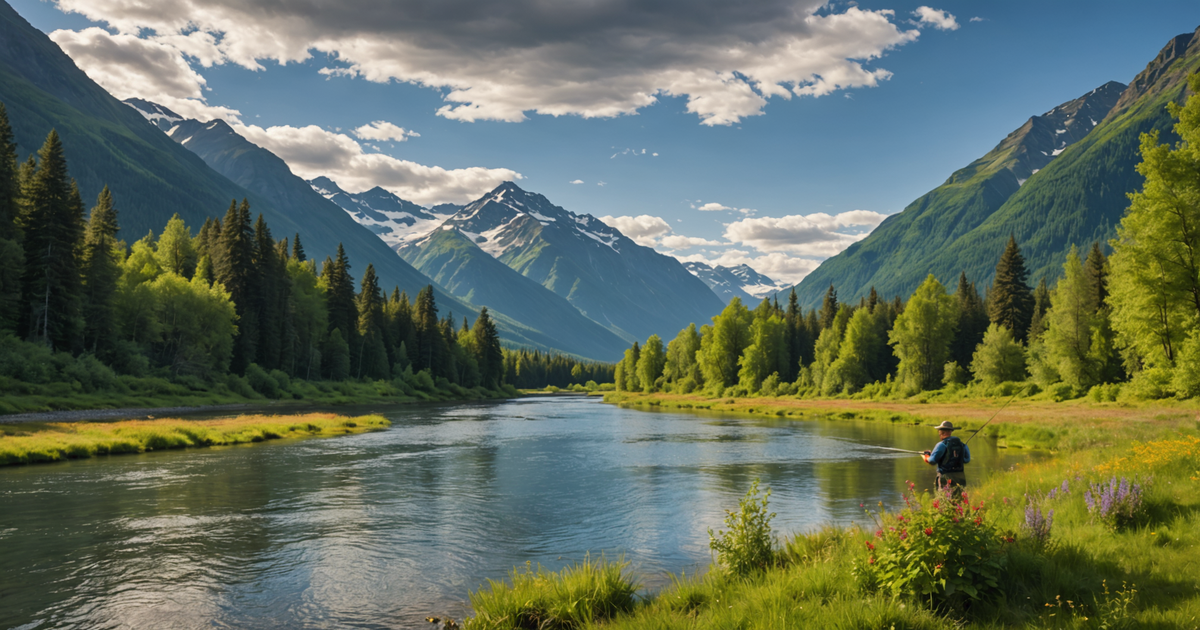
Alaska, known for its breathtaking landscapes and rich wildlife, is a prime destination for those who crave adventure. Among its many attractions, salmon fishing tours stand out as a unique experience that combines both the thrill of fishing and the serenity of nature. Alaska’s waters teem with five species of salmon: King, Sockeye, Coho, Pink, and Chum, each offering its own challenge and reward. Whether you’re a seasoned angler or a novice looking to learn, salmon fishing tours in Alaska provide an unparalleled opportunity to connect with nature and enjoy the sport in its purest form. For more detail, see official guidance.
Exploring Salmon Fishing Tours in Alaska
Choosing the Right Tour for Your Experience Level. For more detail, see further information.
When selecting a salmon fishing tour in Alaska, it’s essential to consider your experience level. Beginners might prefer tours that offer comprehensive guidance and instruction, often included in all guided fishing tours. These tours typically provide all necessary equipment and tackle, allowing you to focus solely on the experience. More experienced anglers might opt for tours that offer a bit more freedom, such as self-guided options or those that explore remote, lesser-fished waters. For more detail, see detailed advice.

Best Locations for Salmon Fishing. For more detail, see planning resources.
Alaska offers numerous prime locations for salmon fishing, each with its unique allure. The Kenai Peninsula, home to the famous Kenai River, is renowned for its sizeable King Salmon. Meanwhile, the Chulitna River offers a picturesque setting with opportunities to catch various salmon species. For those seeking a more remote experience, the rivers of the Bristol Bay region provide outstanding fishing in a pristine environment. Each location offers different challenges and experiences, making it essential to research which area aligns best with your fishing goals. For more detail, see local insights.
Understanding the Seasons and Regulations
Timing your trip is crucial, as different salmon species run at various times throughout the year. King Salmon, for instance, are typically most active from May to July, while Coho Salmon are best caught from July to September. Understanding the fishing regulations is also vital to ensure a legal and sustainable fishing experience. The Alaska Department of Fish and Game provides detailed guidelines on licensing, catch limits, and gear restrictions, ensuring the protection of the state’s natural resources.
The Role of Professional Guides
Engaging with professional guides can significantly enhance your salmon fishing tour. Experienced guides not only increase your chances of making a successful catch but also provide valuable insights into local ecosystems and fishing techniques. They are adept at reading the water and understanding salmon behaviour, which can be particularly beneficial for those unfamiliar with Alaskan waters. Additionally, guides often tailor the experience to your skill level, ensuring a rewarding and educational trip.
Sustainable Practices in Salmon Fishing
Sustainability is a core principle in Alaskan fishing, with many tours emphasising catch-and-release practices and eco-friendly operations. Participating in tours that prioritise sustainable practices ensures that the natural beauty and resources of Alaska remain intact for future generations. Look for operators who support local conservation efforts and adhere to strict environmental guidelines.
Conclusion
Salmon fishing tours in Alaska offer an exhilarating way to experience the state’s natural beauty while engaging in a cherished outdoor tradition. By selecting the right tour, understanding the seasons and regulations, and embracing sustainable practices, you can enjoy a memorable fishing adventure. Whether you’re casting your first line or adding another trophy fish to your collection, Alaska’s waters promise an unforgettable experience.
FAQ
What is the best time of year for salmon fishing in Alaska?
The best time for salmon fishing varies by species. King Salmon are usually most active from May to July, while Coho Salmon run from July to September. It’s essential to plan your trip according to the species you wish to target.
Do I need a fishing license for salmon fishing tours in Alaska?
Yes, a fishing license is required for all anglers. Licenses can be obtained through the Alaska Department of Fish and Game and are necessary to ensure compliance with state regulations.
Are there salmon fishing tours suitable for beginners?
Absolutely, many tours are designed specifically for beginners, providing instruction, equipment, and guidance to ensure a successful and enjoyable experience. Consider tours that offer comprehensive packages, including gear and instruction.
What should I bring on a salmon fishing tour?
While many tours provide essential equipment, it’s advisable to bring personal items like layered clothing, rain gear, sunscreen, and snacks. Check with your tour operator for a detailed packing list.
Can I keep the salmon I catch?
This depends on the specific regulations of the area and the type of salmon. Some tours practice catch-and-release to support sustainability, while others may allow you to keep your catch within legal limits. Consult local fishing regulations for specifics.
How do I choose a reputable salmon fishing tour operator?
Look for operators with positive reviews and a commitment to sustainable practices. Recommendations from sites like myalaskanfishingtrip.com can also help in choosing reputable tours.
What are the benefits of hiring a professional fishing guide?
Professional guides enhance your fishing success by sharing their expertise in local waters and salmon behaviour. They also customise the experience to your skill level and provide valuable safety information.
Are there accommodations available near fishing sites?
Yes, many fishing tours offer package deals that include accommodation. Alternatively, there are numerous lodges and hotels near popular fishing locations, such as those on the Kenai Peninsula, to suit different budgets and preferences.