
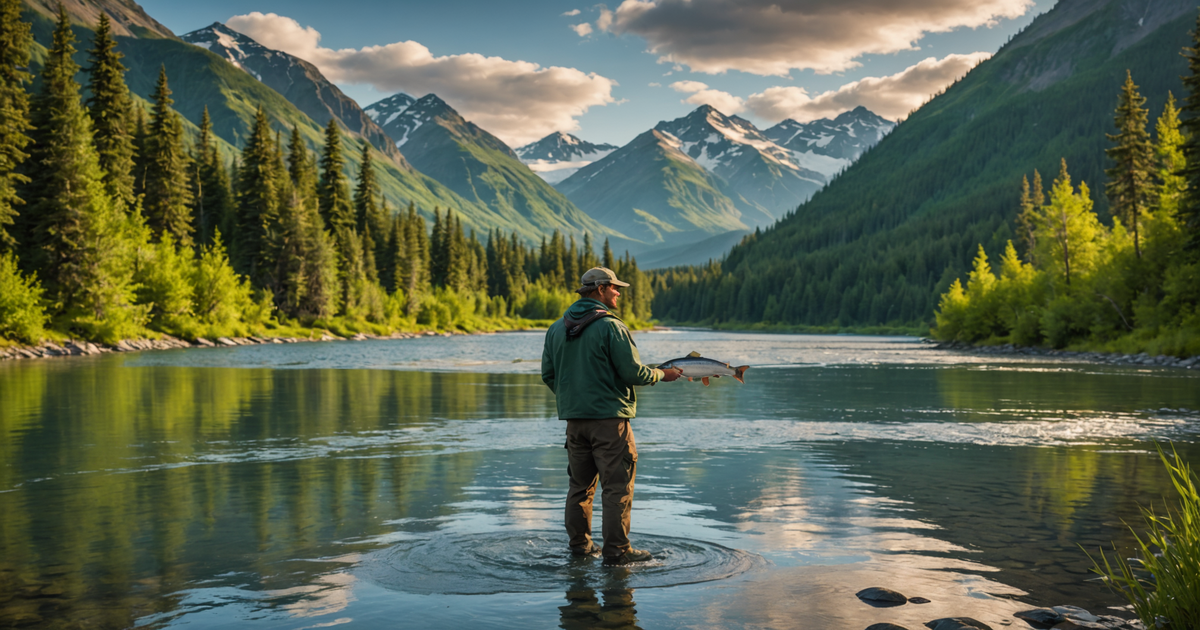
Salmon Limits Alaska | Plan Your Trip. For more detail, see official guidance.
Introduction
Alaska, with its vast wilderness and pristine rivers, is a haven for anglers worldwide. Known for its abundant salmon population, the state offers an unparalleled fishing experience. However, before embarking on your Alaskan adventure, it is crucial to understand the salmon limits in Alaska to ensure a successful and compliant trip. This guide will provide you with the essential information needed to plan your journey, covering regulations, best practices, and tips for a memorable fishing expedition. For more detail, see further information.
Understanding Salmon Limits in Alaska
Types of Salmon. For more detail, see detailed advice.
Alaska is home to five major species of salmon: King (Chinook), Sockeye (Red), Coho (Silver), Pink (Humpback), and Chum (Dog) salmon. Each species has unique characteristics, and the limits may vary depending on the time of year and the area you are fishing in. Understanding these distinctions is vital for complying with local regulations. For more detail, see planning resources.
Regulatory Framework. For more detail, see local insights.
The Alaska Department of Fish and Game (ADFG) is responsible for managing the state’s fisheries. The ADFG website is a valuable resource for the latest regulations and updates. It is essential to familiarise yourself with these rules, as they are designed to preserve fish populations and ensure sustainable fishing practices.
General Salmon Limits
Salmon limits in Alaska vary by region and species. Generally, anglers are allowed a daily limit of two to five salmon, although specific areas may have different restrictions. For instance, the Kenai River has distinct rules that can change annually. Checking current regulations on the ADFG fishing page is recommended before your trip.
Special Restrictions
Some areas have special restrictions in place to protect certain species or habitats. For example, certain rivers may have catch-and-release policies for King salmon during peak spawning periods. Be sure to check the specific regulations for your chosen fishing location on the NOAA Fisheries site to avoid any penalties.
Planning Your Alaskan Fishing Trip
Best Time to Visit
The ideal time for salmon fishing in Alaska depends on the species you are targeting. For example, King salmon runs are typically from May to July, while Coho salmon are more prevalent from July to September. For more detailed timing, consider consulting our guide on when the Alaska salmon season really is.
Essential Gear and Equipment
Having the right gear is crucial for a successful fishing trip. Whether you are fly fishing or using traditional rod and reel setups, ensure your equipment is suitable for the species and conditions. For tips on selecting the appropriate gear, visit our outdoor equipment section.
Accommodation and Travel
Staying in proximity to popular fishing spots can enhance your experience. Many lodges and camps offer guided services, which can be beneficial for first-time visitors. For accommodation options and travel tips, explore resources like Travel Alaska and TripAdvisor.
Sustainable Fishing Practices
Practising sustainable fishing is not only ethical but also ensures the longevity of fish populations. Adhering to catch limits, using barbless hooks, and practising catch-and-release when necessary are all vital components of responsible angling. For more on ethical fishing practices, refer to Leave No Trace.
Conclusion
Fishing in Alaska is a dream for many anglers, offering a chance to connect with nature and experience the thrill of catching wild salmon. By understanding the salmon limits in Alaska and following best practices, you can ensure a safe and memorable adventure. Whether you’re a seasoned pro or a beginner, Alaska’s rivers and streams offer something for everyone.
For more insights and to plan your trip, feel free to contact us or explore our various travel guides.
FAQ
What are the daily salmon limits in Alaska?
The daily salmon limits vary depending on the region and species. Typically, it ranges from two to five salmon per day. Always check the ADFG regulations for the most current information.
When is the best time to fish for King salmon in Alaska?
King salmon runs usually occur from May to July. For more precise timing, refer to our detailed guide on the best time to catch King salmon.
Do I need a special licence to fish for salmon in Alaska?
Yes, all anglers over the age of 16 need a fishing licence to fish for salmon in Alaska. You can purchase a licence online via the ADFG.
Are there any areas with catch-and-release policies?
Yes, certain rivers, especially those with vulnerable salmon populations, may have catch-and-release policies. Always check the specific area regulations on the NOAA Fisheries website.
What gear should I bring for salmon fishing in Alaska?
Bringing the right gear depends on the type of fishing you plan to do. Fly rods, spinning rods, and appropriate tackle are all necessary. For more details, visit our outdoor equipment section.
Can I fish year-round in Alaska?
While some species are available year-round, salmon fishing is seasonal. For off-season fishing, consider trying ice fishing or other species like trout and grayling.
How can I practise sustainable fishing in Alaska?
To fish sustainably, adhere to catch limits, use barbless hooks, and practise catch-and-release when necessary. For more on sustainable practices, see Leave No Trace principles.
Where can I find more information about planning my Alaskan fishing trip?
For comprehensive planning resources, visit Alaska Adventure Guides and Travel Alaska.