
Introduction
Embarking on an Alaskan adventure is a dream for many anglers, and what better way to immerse yourself in the experience than by staying at a salmon lodge in Alaska? These lodges offer a unique opportunity to connect with nature, enjoy world-class fishing, and create unforgettable memories. Whether you’re a seasoned angler or a novice eager to learn, planning your stay at a salmon lodge in Alaska can be the trip of a lifetime. This guide will explore everything you need to know, from choosing the right lodge to understanding peak salmon run timings. For more detail, see official guidance.
Choosing the Right Salmon Lodge in Alaska
Selecting the perfect salmon lodge is crucial for enhancing your Alaskan fishing experience. Here are some factors to consider:. For more detail, see further information.
Location and Accessibility. For more detail, see detailed advice.
Alaska is vast, with fishing lodges scattered across remote and accessible locations. Consider how you wish to travel—whether by plane, boat, or car—and choose a lodge that aligns with your travel preferences. Many lodges are located near major salmon rivers, providing easy access to prime fishing spots. For more detail, see planning resources.
Accommodation and Amenities. For more detail, see local insights.
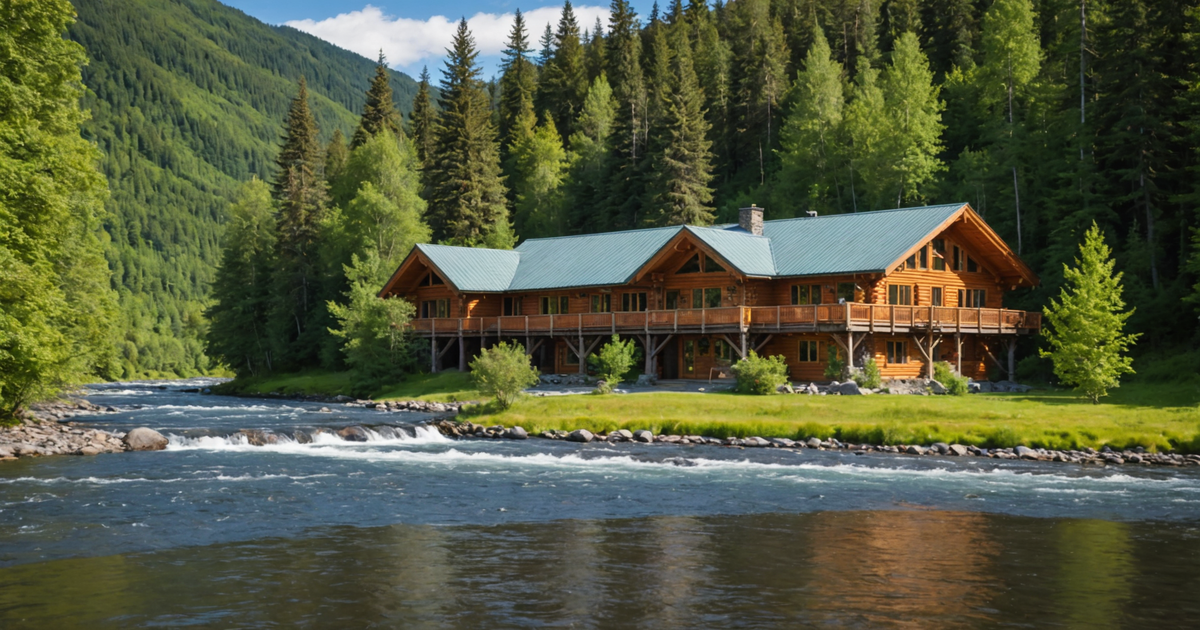
From rustic cabins to luxurious lodges, Alaska offers a range of accommodations. Consider what amenities are important to you, such as guided fishing packages, gourmet meals, or spa facilities. Some lodges offer all-inclusive packages, ensuring your every need is catered to during your stay.
Guided Fishing Packages
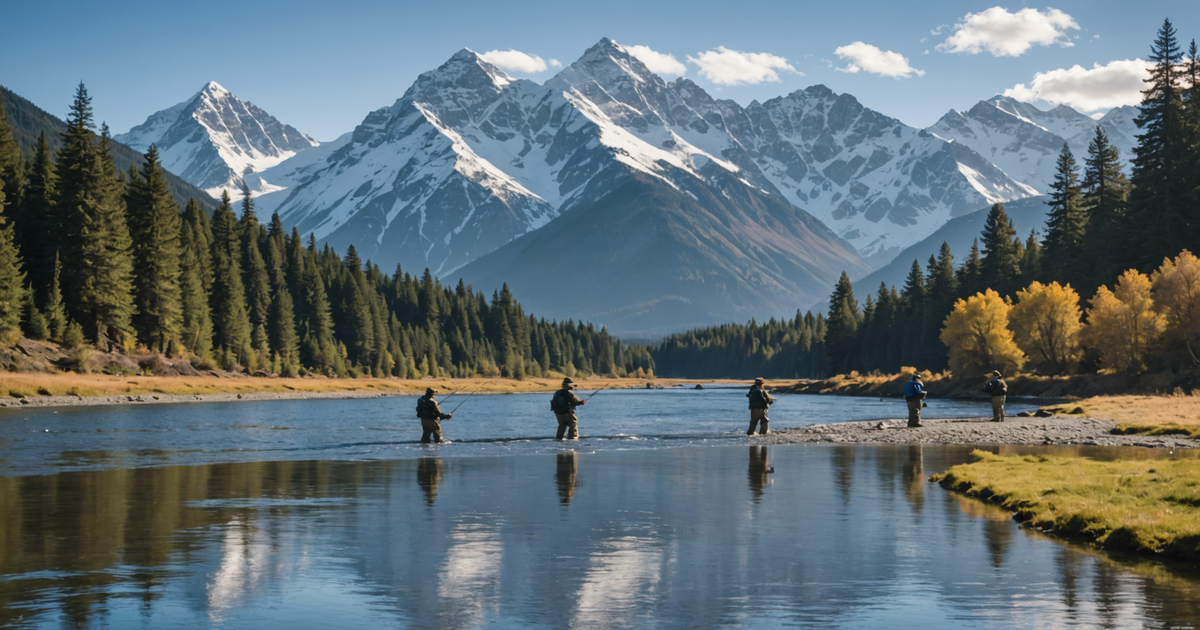
Many lodges provide guided fishing trips, which can be invaluable, especially for those unfamiliar with the local waters. Experienced guides can enhance your trip by sharing their knowledge of the best fishing techniques and locations. Guided salmon fishing in Alaska is often the highlight of many visitors’ experiences.
Understanding Peak Salmon Run Timings
Timing your visit to coincide with the salmon runs can significantly impact your fishing success. Here’s what you need to know about peak timings:
Salmon Species and Seasons
Alaska is home to five species of Pacific salmon: King, Sockeye, Coho, Pink, and Chum. Each species has its peak season, generally from May to September. For the best advice on when to plan your trip, check out the Alaska Department of Fish and Game for up-to-date information on salmon run timings.
Environmental Impact
Understanding the environmental impact of fishing is crucial. Practising sustainable fishing helps preserve Alaska’s natural beauty for future generations. Organisations like The Nature Conservancy offer insights into sustainable fishing practices.
Preparing for Your Fishing Adventure
Preparation is key to a successful fishing trip. From gear selection to understanding local regulations, here’s how to get ready for your Alaskan adventure.
Essential Gear
Having the right gear can make all the difference. Whether it’s selecting the best fishing clippers for a clean-cut line or packing appropriate clothing, preparation is essential. For gear recommendations, visit REI’s expert advice.
Regulations and Licences
Ensure you are aware of the local fishing regulations and obtain the necessary licences. The Alaska Department of Fish and Game provides detailed information on fishing regulations and licensing requirements.
Safety and Weather Considerations
Alaska’s weather can be unpredictable. It’s crucial to check NOAA’s weather forecasts to prepare for your trip accordingly. Always prioritise safety by understanding the local conditions and carrying safety gear.
Additional Recreational Activities
While fishing is the primary focus, many lodges offer additional recreational activities to enhance your stay. From exploring the Raven Glacier to participating in snowshoeing adventures, there’s plenty to experience beyond the riverbanks. For a more comprehensive list of activities, explore Alaska Adventure Guides’ recreational activities.
Conclusion
Staying at a salmon lodge in Alaska offers an unparalleled opportunity to immerse yourself in nature, enjoy remarkable fishing experiences, and explore the breathtaking landscapes. By choosing the right lodge, understanding peak salmon run timings, and preparing thoroughly, you can ensure your Alaskan adventure is both successful and unforgettable. Whether you’re drawn to the thrill of the catch or the tranquility of the wilderness, a salmon lodge in Alaska is the perfect destination.
FAQ
What is the best time to visit a salmon lodge in Alaska?
The best time to visit depends on the salmon species you wish to catch. Generally, the peak season runs from May to September, with each species having its peak run within this period.
What should I pack for my stay at a salmon lodge?
Aside from fishing gear, pack layered clothing suitable for variable weather, waterproof gear, and any personal items you might need. Consult the lodge for specific recommendations.
Are guided fishing trips worth it?
Yes, guided trips can enhance your fishing experience by providing local knowledge and expertise, ensuring you have the best chance of a successful catch.
Can I engage in other activities besides fishing?
Absolutely. Many lodges offer additional activities such as hiking, wildlife viewing, and cultural tours. Check with your lodge for available options.
How do I ensure I’m following local fishing regulations?
Familiarise yourself with the Alaska Department of Fish and Game’s regulations and ensure you have the necessary licences before your trip.
What types of fish can I catch besides salmon?
In addition to salmon, you may encounter species like trout and Arctic grayling. Research specific lodges for details on local fish species.
How do I get to a remote salmon lodge?
Transport options vary by lodge and may include flights, boat transfers, or road travel. Contact your chosen lodge for detailed travel information.
Are there any sustainable fishing practices I should follow?
Yes, practising catch and release and adhering to size and bag limits are crucial for sustainable fishing. Organisations like The Nature Conservancy provide guidelines on responsible fishing practices.