
Introduction
Fishing in Alaska is a dream for many anglers, with its pristine waters and abundant fish species, most notably the mighty salmon. If you’re planning a fishing trip to this angler’s paradise, knowing how to use a salmon mooching rig can significantly enhance your experience. This technique is a favourite among both seasoned and novice fishermen due to its simplicity and effectiveness in these rich waters. In this comprehensive guide, we will explore the components of a salmon mooching rig, how to set it up, and tips for fishing like a pro in Alaska’s awe-inspiring landscape. For more detail, see official guidance.
Understanding the Salmon Mooching Rig
A salmon mooching rig is a fishing setup specifically designed for targeting salmon. Unlike trolling, which relies on maintaining a constant speed to attract fish, mooching involves drifting or slowly moving the bait in the water column. This technique is particularly effective in the nutrient-rich waters of Alaska, where salmon are abundant and actively feeding. For more detail, see further information.
Components of a Salmon Mooching Rig. For more detail, see detailed advice.
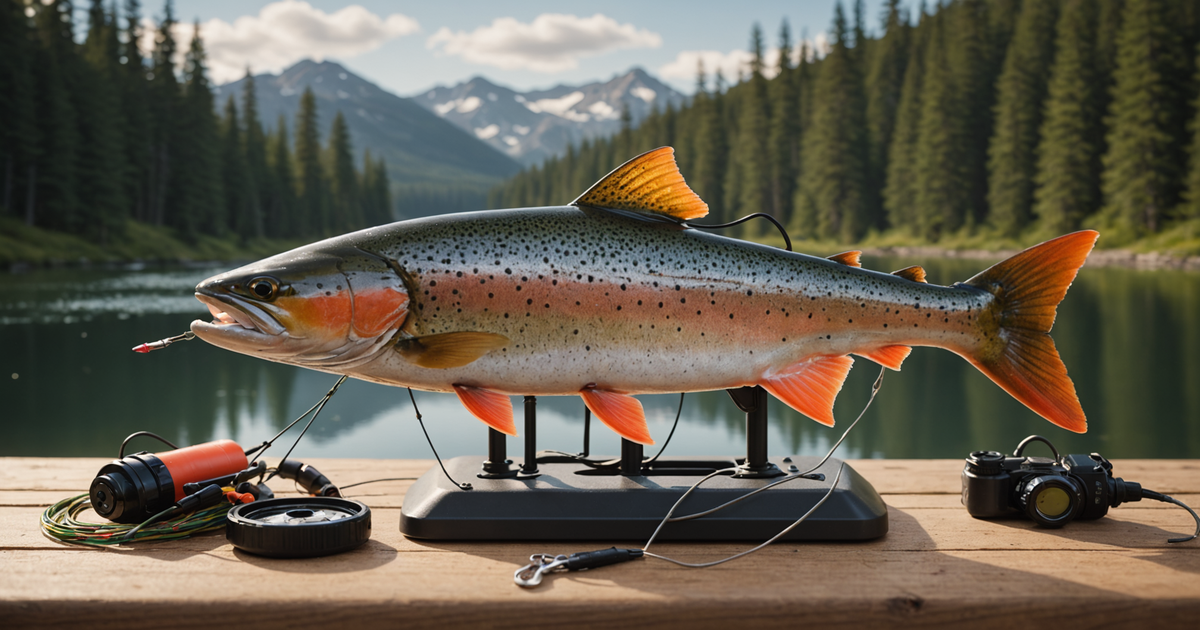
The essential components of a mooching rig include a rod and reel, line, leaders, hooks, and weights. Here’s a closer look at each:. For more detail, see planning resources.
- Rod and Reel: A medium to heavy-action rod paired with a mooching reel is ideal for handling the strength of salmon. Mooching reels are typically single-action, which offers better control over the line and allows for a more tactile fishing experience.
- Line: Use a high-quality monofilament or braided line. A line strength of 20-30 pounds is generally sufficient for salmon.
- Leaders: Leaders are crucial in presenting the bait naturally. A fluorocarbon leader is recommended for its invisibility underwater.
- Hooks: Use a double hook setup, with sizes ranging from 3/0 to 5/0 depending on the bait and target species.
- Weights: Banana-shaped weights are often used in mooching rigs to ensure the bait sinks to the desired depth while allowing for natural movement. For more detail, see local insights.
Setting Up Your Mooching Rig
- Attach the Main Line: Begin by attaching your main line to a barrel swivel. This prevents line twists when the bait is in motion.
- Connect the Leader: Tie a fluorocarbon leader to the other end of the swivel. The leader should be around 6 to 8 feet long.
- Add the Hooks: Secure a double hook setup to the end of the leader. Ensure the hooks are aligned correctly to present the bait naturally.
- Attach the Weight: Slide the banana weight onto the main line above the swivel. This setup allows the bait to drift naturally in the water column.
Mastering the Mooching Technique
The key to successful mooching is understanding the movement of your bait and the behaviour of salmon. Here are some tips for mastering this technique:
Drift with Purpose
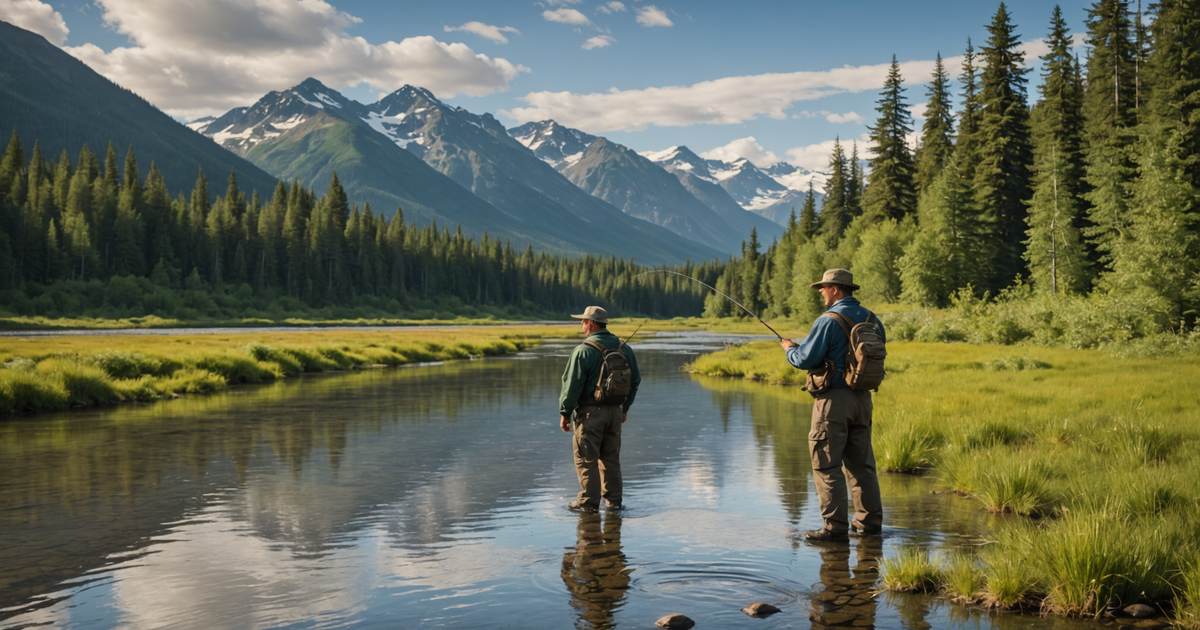
Drifting is the essence of mooching. Position your boat so that you drift over areas where salmon are likely feeding, such as drop-offs or near underwater structures. Use your weight to adjust the depth of your bait, keeping it in the strike zone.
Bait Presentation
Ensure your bait, whether it’s a herring or anchovy, swims naturally. This can be achieved by hooking the bait through the nose and along the back, allowing it to rotate in the water. A natural presentation is crucial for enticing salmon to strike.
Timing Your Strikes
Salmon bites can be subtle. Pay close attention to your line and rod tip. When you feel a nibble or see the rod tip dip, resist the urge to set the hook immediately. Instead, allow the salmon to fully take the bait before setting the hook with a smooth, upward sweep of the rod.
Fishing Regulations and Conservation
When fishing in Alaska, it’s vital to be aware of and comply with local fishing regulations to support conservation efforts and ensure the sustainability of fish populations. For comprehensive information on fishing regulations in Alaska, visit the Alaska Department of Fish and Game website. Being informed about fishing rules and regulations helps maintain the balance of these ecosystems.
Conclusion
A well-prepared salmon mooching rig can transform your Alaskan fishing adventure, offering the chance to engage with the environment and its wildlife in a meaningful way. By understanding the setup and technique, you position yourself for a rewarding experience that goes beyond the thrill of the catch. Embrace the beauty of Alaska, respect its regulations, and enjoy the art of fishing in one of the world’s most stunning natural settings.
FAQ
What is a salmon mooching rig?
A salmon mooching rig is a fishing setup designed for catching salmon, involving a rod, reel, line, leader, hooks, and weights. It uses a drifting technique to present bait naturally in the water column.
How do I choose the right bait for mooching?
Herring and anchovy are popular choices for mooching because they mimic the natural prey of salmon. Ensure the bait is fresh and hooked in a way that allows it to swim naturally.
What type of line should I use for mooching?
A monofilament or braided line with a strength of 20-30 pounds is recommended. Pair this with a fluorocarbon leader for better invisibility underwater.
Are there specific areas in Alaska best for mooching?
Alaska offers numerous prime locations for salmon fishing. Areas with drop-offs or underwater structures are particularly effective for mooching. Explore Alaskan fishing destinations to find the best spots.
How does mooching differ from trolling?
Mooching involves drifting or slowly moving the bait, while trolling uses a constant speed to attract fish. Mooching allows for a more tactile and engaged fishing experience.
Can I use artificial lures for mooching?
While live bait is traditional, some anglers use artificial lures designed to mimic the movement of baitfish. However, live bait often yields better results due to its natural scent and movement.
What fishing regulations should I be aware of in Alaska?
Familiarise yourself with local fishing regulations before your trip. These regulations are in place to ensure the sustainability of fish populations and preserve the natural environment.
Where can I learn more about fishing in Alaska?
For more detailed guides and insights, visit Alaska Adventure Guides for expert advice and tips on fishing in Alaska.