
Introduction
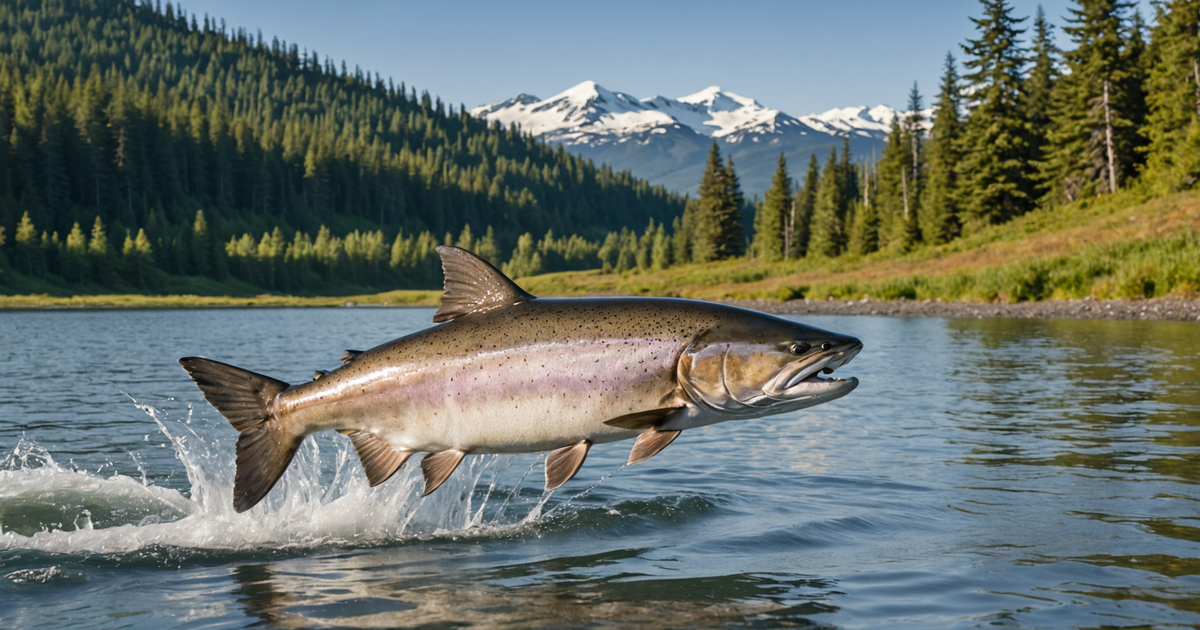
Salmon fishing in Alaska is a quintessential adventure that attracts anglers from around the globe. The vast, pristine waters of Alaska are home to some of the most sought-after salmon species. Each species has unique characteristics, behaviour, and habitat preferences, often reflected in their common names. Understanding these names for salmon is not only key to identifying them but also enriches the fishing experience. In this guide, we’ll delve into the different salmon species, their names, and how to fish Alaskan waters effectively. For more detail, see official guidance.
The Five Pacific Salmon Species
Chinook Salmon (Oncorhynchus tshawytscha). For more detail, see further information.
Commonly known as “King Salmon,” the Chinook is the largest and arguably the most prized of the Pacific salmon species. These majestic fish can weigh over 50 kilograms and are revered for their rich flavour and high oil content. 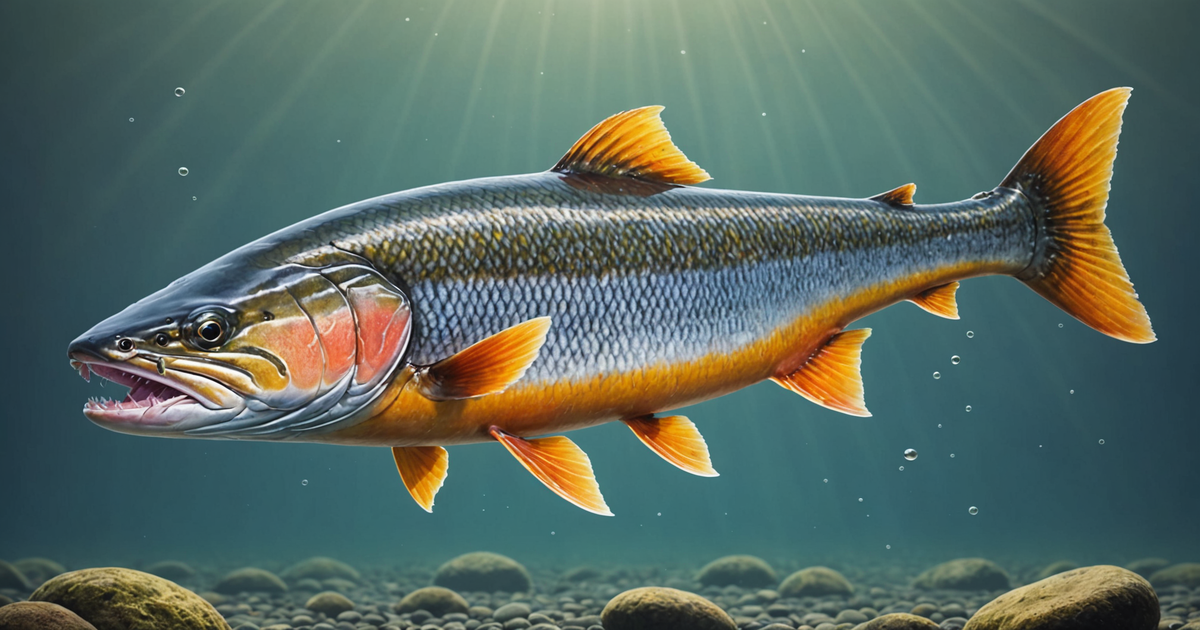 . For more detail, see detailed advice.
Chinook salmon are identifiable by their blue-green back and silver sides, along with small black spots on their tail and back. Anglers typically target these giants using robust fishing gear and techniques suited for deep water. For more detail, see planning resources.
Coho Salmon (Oncorhynchus kisutch). For more detail, see local insights.
Also known as “Silver Salmon,” Coho are celebrated for their acrobatic fights and excellent taste. They are smaller than Chinook, usually weighing between 2.5 to 8 kilograms.
Coho salmon are distinguishable by their bright silver sides and dark metallic blue or greenish backs. They are often caught using float fishing rigs in both freshwater and saltwater environments.
Sockeye Salmon (Oncorhynchus nerka)
Sockeye, or “Red Salmon,” are renowned for their brilliant red bodies during spawning. They are smaller in size, typically weighing 2 to 3.5 kilograms. Sockeyes are primarily plankton feeders, making them unique among the salmon species.
These fish are best known for their rich, firm flesh, making them a favourite for culinary purposes. Explore culinary uses of this delicious fish in various Alaskan dishes.
Pink Salmon (Oncorhynchus gorbuscha)
Pink salmon, or “Humpies,” are the most abundant and smallest of the Pacific salmon, typically weighing around 2 kilograms. They get their nickname from the pronounced hump that males develop during spawning.
Pink salmon are easy to catch and provide an excellent experience for novice anglers. They are often targeted using simple lures and are a staple for recreational fishing.
Chum Salmon (Oncorhynchus keta)
Also known as “Dog Salmon,” Chum are recognised for their large canine-like teeth. They are usually caught for their roe, which is highly valued in the culinary world.
Chum salmon can weigh between 4.5 to 6.8 kilograms, and their distinctive green and purple stripes during spawning make them easily identifiable.
Fishing in Alaska: Techniques and Tips
Fishing in Alaska requires knowledge of local fishing regulations and the best techniques tailored for different salmon species. The Alaska Department of Fish and Game provides comprehensive resources on rules and guidelines to ensure sustainable fishing practices.
For those seeking expert guidance, consider engaging a guided salmon fishing service. Guides offer local knowledge and expertise, ensuring a productive and enjoyable fishing trip.
Best Practices for Salmon Fishing
-
Timing: Understand the best time to catch salmon in Alaska, aligning your trip with peak seasons for different species.
-
Gear: Invest in appropriate fishing gear specific to the salmon species you are targeting.
-
Lure Selection: Choose lures that mimic the natural prey of your targeted salmon. Plug fishing lures are particularly effective for larger salmon like the Chinook.
-
Local Knowledge: Leverage local guides and travel resources to navigate the vast Alaskan waters efficiently.
Conclusion
Understanding the various names for salmon species is essential for any angler looking to fish in Alaska. Each species offers unique challenges and rewards, from the colossal Chinook to the agile Coho. By familiarising yourself with their distinct characteristics and optimal fishing techniques, you can enhance your chances of a successful and memorable fishing experience in the magnificent Alaskan wilderness.
FAQ
What are the common names for the five Pacific salmon species?
The common names are King Salmon (Chinook), Silver Salmon (Coho), Red Salmon (Sockeye), Humpies (Pink), and Dog Salmon (Chum).
When is the best time to fish for salmon in Alaska?
The best time to catch salmon varies by species, but generally, summer months from June to September are ideal.
What gear is essential for salmon fishing in Alaska?
Essential gear includes robust rods and reels, appropriate lures, and safety equipment. Learn more about fishing gear.
Can beginners fish for salmon in Alaska?
Yes, beginners can fish for salmon in Alaska, especially targeting Pink and Chum salmon, which are more abundant and easier to catch. Guided tours are recommended for novices.
Are there any specific regulations for salmon fishing in Alaska?
Yes, it’s crucial to follow the Alaska fishing regulations to ensure sustainable practices and avoid penalties.
What is the significance of the colour changes in salmon during spawning?
Salmon undergo dramatic colour changes during spawning, which is a natural part of their lifecycle to attract mates and deter predators.
How can I ensure a sustainable fishing trip in Alaska?
Adhering to sustainable fishing guidelines and practising catch and release where applicable can help preserve fish populations for future generations.
What culinary dishes can be made with Alaskan salmon?
Alaskan salmon is versatile, perfect for grilling, smoking, and making salmon candy. Explore various recipes to enjoy this delicacy.