
Introduction
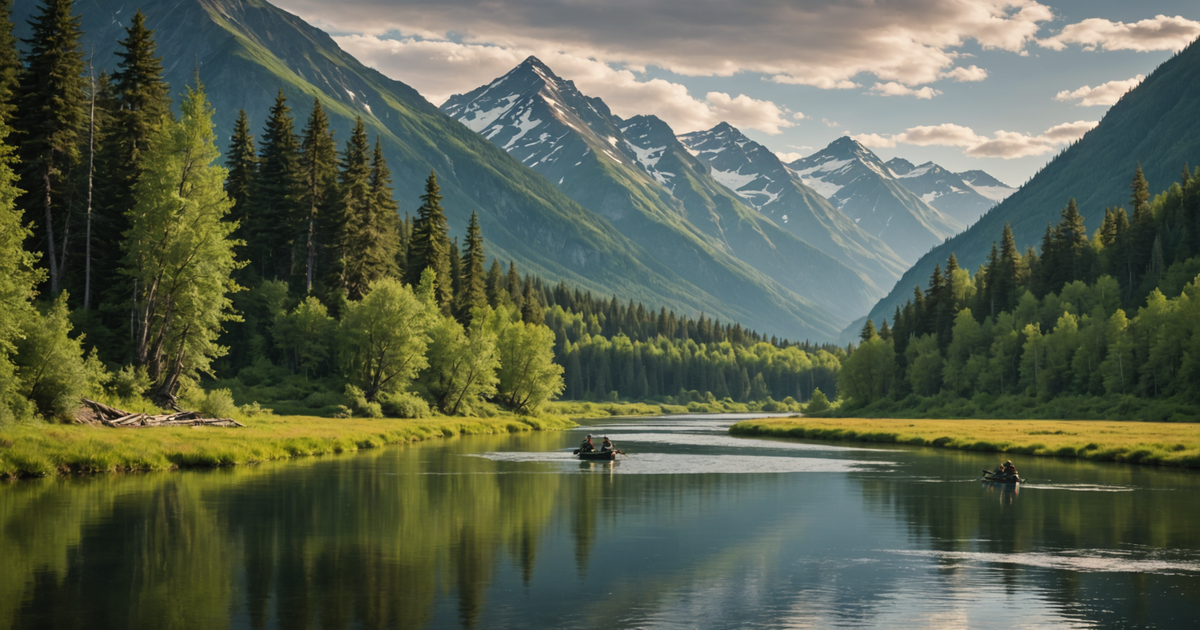
Planning an Alaskan fishing trip can be a thrilling adventure, especially when it involves the pursuit of salmon in the state’s pristine rivers. However, understanding salmon river fishing regulations is crucial to ensure a legal, safe, and successful experience. Alaska’s fishing regulations are designed to protect its rich aquatic ecosystems while providing anglers with ample opportunities to enjoy the sport. This guide delves into the essential regulations and tips you need to know for your salmon fishing adventure in Alaska. For more detail, see official guidance.
Understanding Alaska’s Salmon River Fishing Regulations
The Alaska Department of Fish and Game (ADF&G) is the primary regulatory body overseeing fishing activities in the state. Their sport fishing regulations are comprehensive and are updated regularly to reflect changes in fish populations, environmental conditions, and conservation needs. For more detail, see further information.
Licensing Requirements. For more detail, see detailed advice.
Before you cast a line in any Alaskan river, obtaining the appropriate fishing licence is mandatory. Residents and non-residents must purchase a sport fishing licence, with prices varying based on residency status and the duration of the licence. For more detailed information on licensing, visit the ADF&G licensing page. For more detail, see planning resources.
Catch Limits and Species Regulations. For more detail, see local insights.
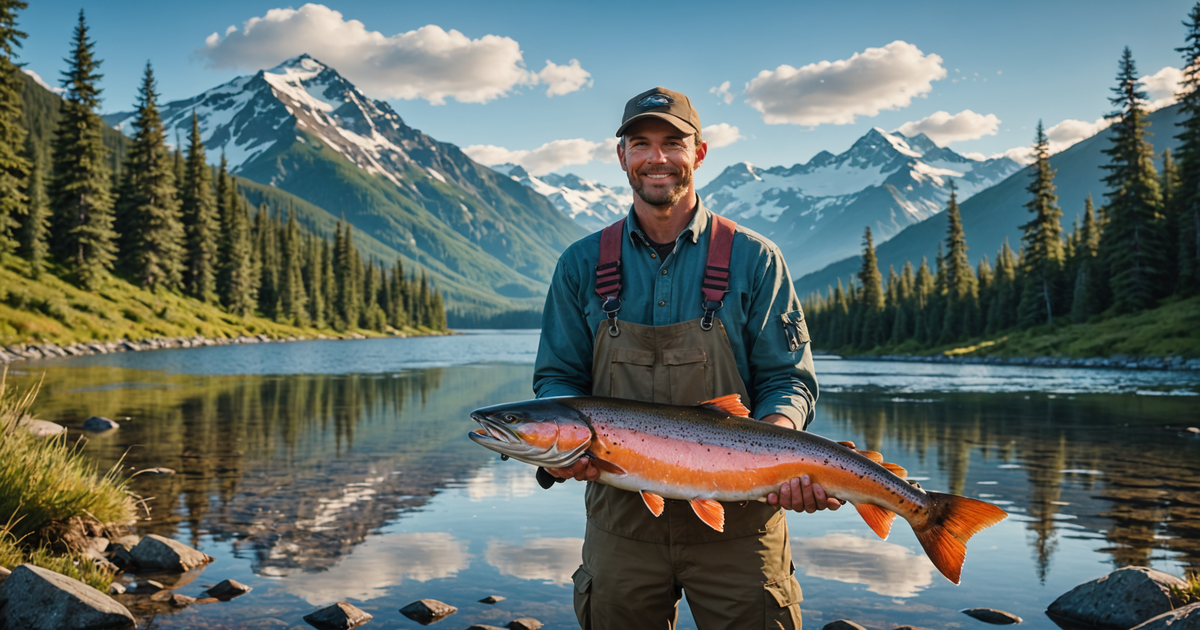
Alaska’s rivers are home to several salmon species, including Chinook, Coho, Sockeye, Chum, and Pink salmon. Each species has specific catch limits, which can vary depending on the river and time of year. Adhering to these limits is crucial to prevent overfishing and ensure the sustainability of salmon populations. For the most current regulations, refer to the ADF&G fishing regulations page.
Seasonal Restrictions
The timing of your trip is essential as Alaska’s salmon fishing season varies for each species. For instance, the Chinook salmon run typically occurs from May to July, while Coho salmon are more prominent from August to October. Understanding when Alaska’s salmon season really peaks can help you plan your trip for the optimal fishing experience.
Gear Restrictions
To protect Alaska’s delicate ecosystems, there are restrictions on the types of gear that can be used. For example, certain lures and bait types may be prohibited in specific areas. It’s important to check the ADF&G regulations for gear restrictions to ensure compliance. Additionally, using the best plug fishing lures can enhance your fishing experience while adhering to regulations.
Planning Your Fishing Trip
A successful fishing trip requires more than just knowing the regulations. Proper preparation and planning are key.
Choosing the Right Location
Alaska offers a plethora of fishing locations, each with its unique charm and challenges. The Kasilof River is a popular choice for first-timers due to its accessible salmon runs. Alternatively, the Anchorage area provides excellent options for those seeking a convenient yet rewarding fishing experience.
Selecting the Best Gear
Equipping yourself with the right fishing gear is essential. From rods and reels to bait and tackle, each component plays a vital role. For recommendations on fishing equipment, explore our fishing equipment category. Using top salmon flashers can increase your chances of catching more strikes, making your trip even more memorable.
Understanding Local Weather Conditions
Alaska’s weather can be unpredictable. Checking the National Weather Service forecasts for your chosen fishing location is advisable. This can help you pack appropriately and ensure safety during your trip.
Respecting Wildlife and Nature
Respect for wildlife and the natural environment is paramount. Follow Leave No Trace principles to minimise your impact and preserve the beauty of Alaska’s wilderness for future generations. This includes properly disposing of waste and being mindful of your surroundings.
Conclusion
Embarking on a salmon fishing adventure in Alaska is an unparalleled experience that combines the thrill of the catch with the breathtaking beauty of nature. By adhering to salmon river fishing regulations, selecting the right gear, and respecting the environment, you can ensure a successful and responsible fishing trip. For more angling tips and insights, visit our angling tips category.
FAQ
What are the most common salmon species found in Alaska’s rivers?
Alaska’s rivers are home to several salmon species, including Chinook, Coho, Sockeye, Chum, and Pink salmon.
Do I need a licence to fish for salmon in Alaska?
Yes, both residents and non-residents must obtain a sport fishing licence to fish for salmon in Alaska. Licences can be purchased on the ADF&G website.
How can I find out the specific catch limits for salmon in Alaskan rivers?
Catch limits for salmon vary by species and location. The ADF&G fishing regulations page provides detailed and current information.
When is the best time to plan a salmon fishing trip to Alaska?
The best time depends on the salmon species you wish to catch. For example, Chinook salmon runs typically occur from May to July, while Coho salmon are prevalent from August to October.
What gear is recommended for salmon fishing in Alaska?
Using the best plug fishing lures and top salmon flashers can improve your fishing success. Visit our fishing equipment category for more gear recommendations.
Are there any restrictions on the types of bait I can use?
Yes, there are gear restrictions in place to protect the environment. It’s crucial to check the ADF&G regulations for specific bait and gear restrictions.
Can I fish in Alaska year-round?
While fishing is possible year-round, the availability of salmon and other fish species varies by season. Understanding the Alaska fishing season is essential for planning your trip.
How can I ensure my fishing activities are environmentally responsible?
Follow Leave No Trace principles and adhere to all local regulations to minimise your environmental impact and ensure the sustainability of Alaska’s natural resources.