
Introduction
The salmon run in Alaska is a spectacular natural event that draws thousands of visitors and anglers each year. This phenomenon, where millions of salmon migrate from the ocean back to their freshwater birthplaces to spawn, is a critical component of Alaska’s rich ecosystem. It offers a unique opportunity for travellers to witness nature’s resilience and abundance, while also providing premier fishing opportunities. Understanding the timing, locations, and best practices for experiencing the salmon run will ensure an unforgettable adventure. This guide will help you navigate the intricacies of planning your trip to coincide with the peak salmon run season in Alaska. For more detail, see official guidance.
Understanding the Salmon Run
What is the Salmon Run? For more detail, see further information.
The salmon run is a natural event where salmon, after spending several years in the ocean, return to the freshwater streams and rivers where they were born. This journey is vital for the continuation of the species as they spawn and lay eggs before completing their life cycle. The run typically includes several species such as Chinook, Coho, Sockeye, Pink, and Chum salmon, each with its own migration timeline. For more detail, see detailed advice.
Timing the Salmon Run. For more detail, see planning resources.
Timing is crucial when planning your visit to witness the salmon run in Alaska. The peak season varies depending on the species and the location. Generally, the run begins in May and can extend into October, with the most intense activity occurring between June and August. For precise timing, it’s essential to consult local resources like the Alaska Department of Fish and Game, which provides updates on the salmon run schedules and fishing regulations. For more detail, see local insights.
Best Locations for Viewing and Fishing
Alaska offers numerous locations renowned for their prolific salmon runs. The Kenai Peninsula is one of the most famous spots, known for its accessibility and abundant salmon population. Other notable areas include Bristol Bay, the Copper River, and the Yukon River. Each location offers a unique backdrop and different species of salmon, making it important to plan according to your specific interests.
Booking Guided Salmon Fishing Trips
Why Choose a Guided Trip?
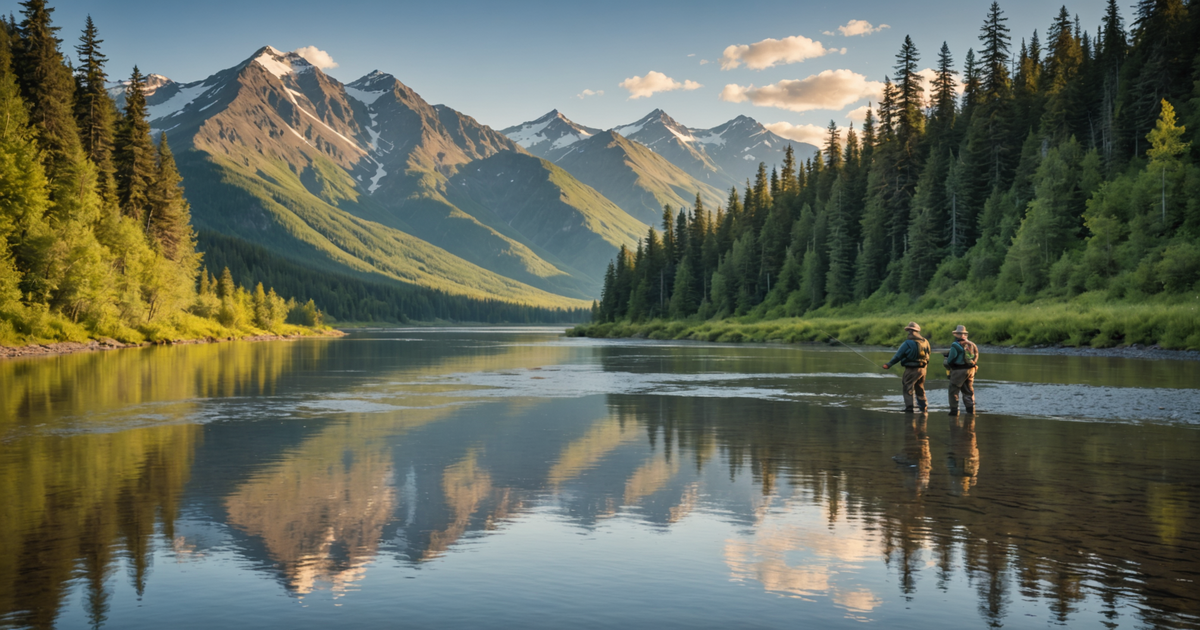
Opting for a guided fishing trip can greatly enhance your experience. Professional guides provide insider knowledge on the best fishing spots, techniques, and safety measures. They also ensure compliance with local fishing regulations, which can be complex and vary by location and salmon species. For those interested in a comprehensive experience, Alaska Adventure Guides offer tailored trips that cater to both novice and experienced anglers.
Planning and Booking
Given the popularity of the salmon run season, it’s advisable to book your trip well in advance. This ensures availability and allows you to choose from a wider range of options. Consider factors such as the duration of the trip, group size, and additional services like lodging or equipment rental. For bespoke experiences, the Historic Chulitna River Lodge Tours offer a blend of fishing and wilderness exploration.
Equipment and Preparation
Fishing for salmon requires specific gear, which can often be provided by your tour operator. However, if you prefer to bring your own, ensure you have the appropriate fishing lures and hooks. Additionally, prepare for Alaska’s unpredictable weather by packing suitable clothing and gear.
Conservation and Responsible Tourism
Participating in the salmon run as a tourist or angler comes with responsibilities. It’s vital to practice Leave No Trace principles to minimise your environmental impact. Understanding and adhering to fishing regulations helps preserve fish populations for future generations. Engaging with local conservation efforts and choosing sustainable tour operators can also contribute positively to the local ecosystem.
Conclusion
Experiencing the salmon run in Alaska is more than just a fishing trip; it’s an opportunity to connect with nature and witness one of the most remarkable natural events on the planet. By planning your visit during peak season, choosing the right locations, and engaging with knowledgeable guides, you can ensure an enriching and responsible adventure. Whether you’re an avid angler or a nature enthusiast, the salmon run promises unforgettable memories.
FAQ
What is the best time to see the salmon run in Alaska?
The best time to see the salmon run in Alaska is typically between June and August, though the exact timing can vary depending on the location and salmon species.
Can I fish without a guide during the salmon run?
Yes, you can fish without a guide, but it’s recommended to use one, especially if you’re unfamiliar with the area’s fishing regulations and best practices. For more information, visit Alaska Adventure Guides.
Do I need a fishing licence for salmon fishing in Alaska?
Yes, a fishing licence is required for salmon fishing in Alaska. Licences can be purchased online through the Alaska Department of Fish and Game.
What species of salmon can I expect to see during the run?
During the salmon run, you can expect to see Chinook, Coho, Sockeye, Pink, and Chum salmon.
Are there any conservation efforts I should be aware of?
Yes, it’s important to follow local fishing regulations and practice conservation efforts such as catch and release to help sustain fish populations. Learn more from the Alaska Department of Fish and Game.
How can I prepare for the weather in Alaska during the salmon run?
Alaska’s weather can be unpredictable, so it’s advisable to pack layers and waterproof gear. Check the National Weather Service for current forecasts before your trip.
What other activities can I enjoy in Alaska besides fishing?
In addition to fishing, Alaska offers a range of outdoor activities such as hiking, wildlife viewing, and exploring its stunning landscapes. Consider visiting Alaska Adventure Guides’ destinations for more ideas.
Is it safe to travel to Alaska for the salmon run?
Yes, Alaska is generally safe for tourists. However, always follow local safety guidelines and prepare adequately for outdoor activities in remote areas.