

Introduction
The salmon shark, a formidable predator of the North Pacific, is an intriguing species with a habitat as fascinating as its hunting prowess. Found in the cold, nutrient-rich waters of Alaska, these sharks play a vital role in the marine ecosystem. Understanding the salmon shark habitat is not only crucial for conservation efforts but also a captivating subject for marine enthusiasts and researchers alike. This post explores the habitat of the salmon shark, focusing on the unique environment of Alaska’s oceanic waters. For more detail, see official guidance.
The Salmon Shark: An Overview
The salmon shark (Lamna ditropis) belongs to the family Lamnidae, sharing this lineage with the great white shark. Characterised by a robust, spindle-shaped body and a striking resemblance to its cousin, the great white, the salmon shark is a remarkable predator. Reaching lengths of up to 3 metres and weighing over 450 kilograms, it possesses a physiology adapted to the cold waters of the North Pacific. For more detail, see further information.
Physical Adaptations. For more detail, see detailed advice.
Salmon sharks have several adaptations that enable them to thrive in the frigid waters of Alaska. They are endothermic, meaning they can regulate their body temperature to remain warmer than the surrounding water. This adaptation is crucial for maintaining high levels of activity in cold environments. Their streamlined bodies and powerful tails allow them to reach speeds of up to 80 km/h, making them efficient hunters. For more detail, see planning resources.
The Habitat of the Salmon Shark
Geographic Range. For more detail, see local insights.
Salmon sharks are predominantly found in the North Pacific Ocean, ranging from the Sea of Japan to the Gulf of Alaska. They are often seen in the coastal waters of Alaska, where the cold, nutrient-rich currents create an ideal environment for their prey, primarily salmon and other fish species. The Alaska Department of Fish and Game provides detailed insights into the distribution of marine species in these waters.
Environmental Conditions
Alaska’s waters offer a rich habitat for the salmon shark, characterised by several key environmental factors:
- Temperature: The cold waters of the North Pacific, often hovering around 5-10°C, are ideal for the salmon shark, which is well-adapted to such conditions.
- Salinity: The salinity levels in these waters are conducive to a diverse marine life ecosystem, providing ample prey for the salmon shark.
- Currents: Strong ocean currents bring a continuous supply of nutrients, supporting a healthy population of prey species such as salmon, herring, and squid.
Migration Patterns
Salmon sharks are known for their extensive migratory patterns, often travelling thousands of kilometres in search of food and suitable breeding grounds. They typically migrate northwards during the summer months to take advantage of the abundant food supply in Alaskan waters. This seasonal migration is closely linked to the movements of their prey, particularly salmon.
Role in the Ecosystem
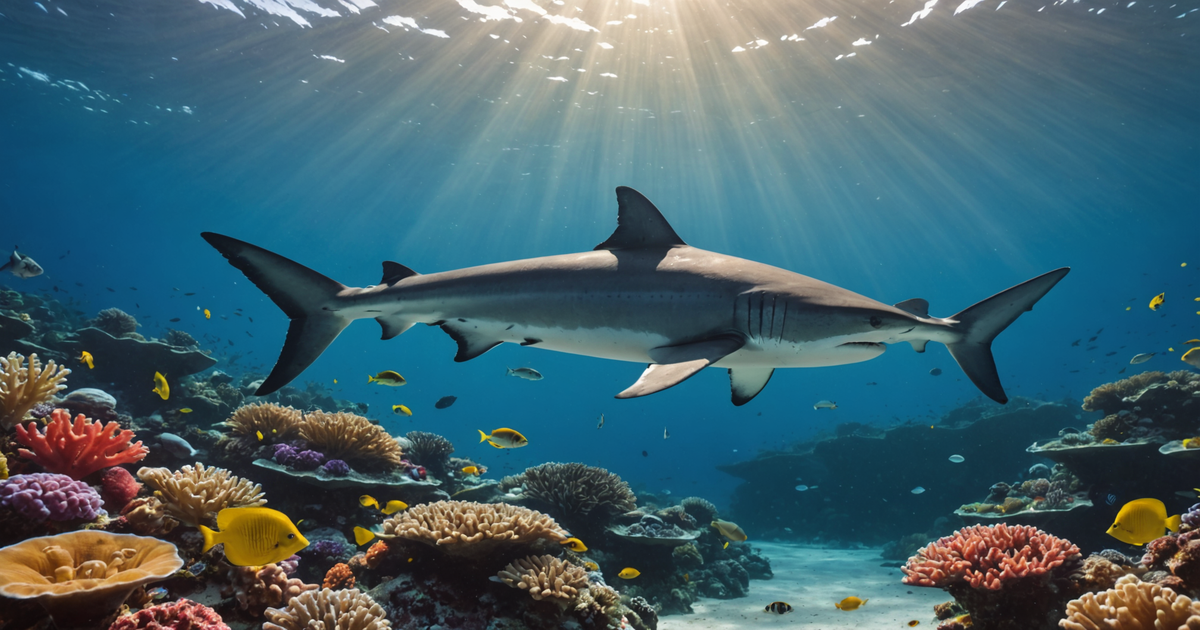
Salmon sharks are apex predators, playing a crucial role in maintaining the balance of the marine ecosystem. By preying on a variety of fish species, they help regulate populations and prevent any single species from dominating the ecosystem. This balance is essential for the health of Alaska’s marine environments.
Interactions with Human Activities
The presence of salmon sharks in Alaskan waters also impacts human activities, particularly fishing. Understanding their habitat and behaviour is important for sustainable fishing practices. The Alaska Adventure Guides provide valuable resources on sustainable practices that ensure the protection of marine species while allowing recreational activities such as guided fishing tours.
Conservation and Research
Efforts to conserve the salmon shark and its habitat are ongoing, with research focusing on understanding their migratory patterns, breeding habits, and interactions with other marine species. Organisations like NOAA Fisheries provide comprehensive data and resources for the study and conservation of these sharks.
Threats to the Habitat
The primary threats to the salmon shark’s habitat include climate change, overfishing, and pollution. Changes in ocean temperatures and acidity levels can disrupt the delicate balance of the ecosystem, affecting the availability of prey species. Conservation efforts are critical to mitigating these threats and ensuring the sustainability of Alaska’s ocean life.
Conclusion
The salmon shark habitat in Alaska is a dynamic and intricate environment that supports a diverse range of marine life. Understanding the intricacies of this habitat is essential for both conservation and the sustainable use of marine resources. As we continue to study these fascinating creatures, it becomes increasingly clear that protecting their habitat is vital for the health of the broader ecosystem.
FAQ
What is the primary diet of salmon sharks?
Salmon sharks primarily feed on salmon, but their diet also includes other fish species such as herring, squid, and mackerel, depending on availability.
Are salmon sharks dangerous to humans?
Salmon sharks are not considered a significant threat to humans. There have been very few recorded incidents involving salmon sharks and humans.
How do salmon sharks regulate their body temperature?
Salmon sharks are endothermic, allowing them to maintain a body temperature higher than the surrounding water. This adaptation enables them to remain active in cold environments.
Where can I learn more about sustainable fishing practices in Alaska?
The Alaska Adventure Guides offer comprehensive information on sustainable fishing practices and tours.
How do salmon sharks contribute to the marine ecosystem?
As apex predators, salmon sharks help regulate the populations of their prey species, contributing to the balance and health of the marine ecosystem.
What are the main threats to the salmon shark habitat?
The main threats include climate change, overfishing, and pollution, all of which can disrupt the delicate balance of the marine ecosystem.
How can I observe salmon sharks in their natural habitat?
Joining a guided fishing tour or wildlife expedition in Alaska provides an opportunity to observe salmon sharks and other marine life in their natural environment.
Are there regulations in place to protect salmon sharks?
Yes, various regulations and conservation efforts are in place to protect salmon sharks and their habitat, ensuring the sustainability of marine resources.