
Introduction
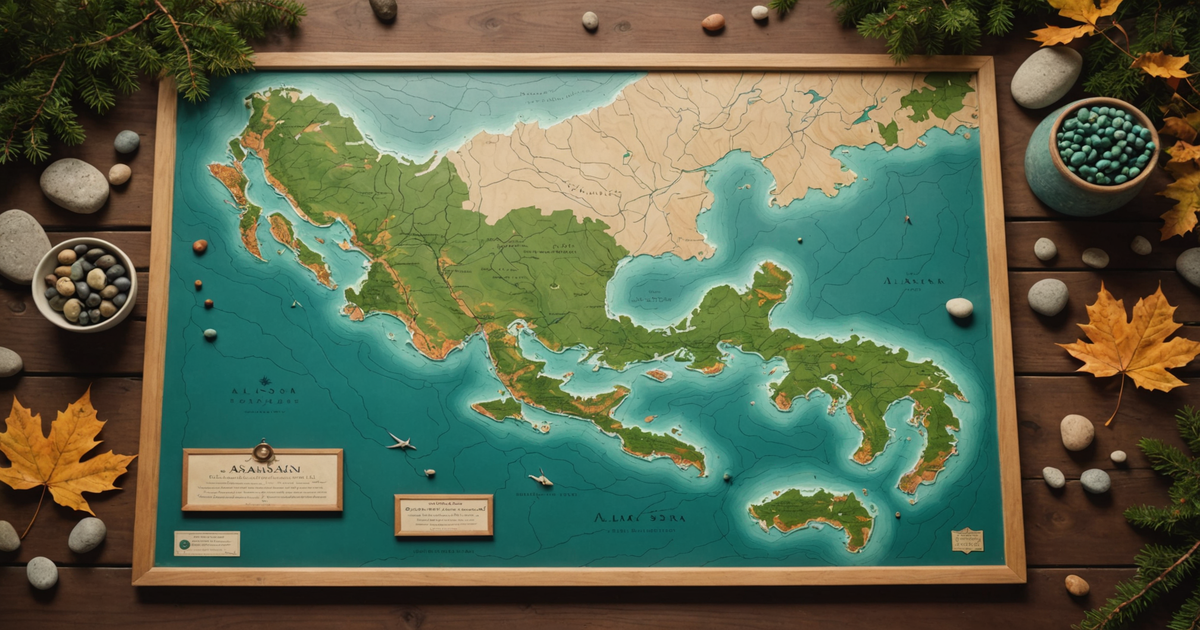
Alaska, a land of breathtaking landscapes and abundant wildlife, offers one of the most extraordinary experiences for nature enthusiasts and anglers alike: the salmon spawning season. This natural phenomenon is not only a critical aspect of the ecosystem but also a significant draw for those interested in fishing and wildlife observation. Understanding when is salmon spawning season in Alaska is crucial for ensuring responsible fishing practices and maximising your experience in the Alaskan wilderness. For more detail, see official guidance.
Understanding Salmon Spawning Season
The Life Cycle of Salmon. For more detail, see further information.
Salmon are anadromous fish, meaning they are born in freshwater, migrate to the ocean to grow and mature, and then return to freshwater to spawn. This journey is a testament to their resilience and instinctive drive, with different species returning to their natal streams at varying times of the year. For more detail, see detailed advice.
Timing of the Spawning Season. For more detail, see planning resources.
In Alaska, the spawning season varies by species and location. Generally, it begins in the late summer and continues into the autumn. Specifically, King Salmon, also known as Chinook, start their run in May and can continue through July. Sockeye, Pink, and Chum Salmon follow, with spawning peaks in July and August. Coho Salmon, typically the last to spawn, can be seen as late as October. For more detail, see local insights.
Key Locations for Salmon Spawning
Different regions in Alaska offer unique opportunities to witness the spawning. The Kenai Peninsula, Bristol Bay, and the Yukon River are among the most popular spots. Each location has its own peak times, influenced by environmental factors such as water temperature and river conditions.
The Ecological Importance of Salmon Spawning
Nutrient Cycling and Ecosystem Support
Salmon play a vital role in nutrient cycling within their ecosystems. As they spawn and die, their bodies decompose, releasing nutrients back into the waterways and surrounding environments. This process supports a wide array of wildlife, from bears and eagles to the vegetation along riverbanks.
Impact on Local Communities
For many indigenous communities in Alaska, salmon are more than just a food source; they are integral to cultural practices and traditions. The annual spawning season is a time for both sustenance and celebration, underscoring the connection between people and nature.
Responsible Fishing Practices
Regulations and Permits
To fish responsibly during the salmon spawning season, it is essential to adhere to local regulations. The Alaska Department of Fish and Game provides detailed guidelines on permits and legal fishing methods. Ensuring compliance not only protects fish populations but also preserves the environment for future generations.
Sustainable Fishing Techniques
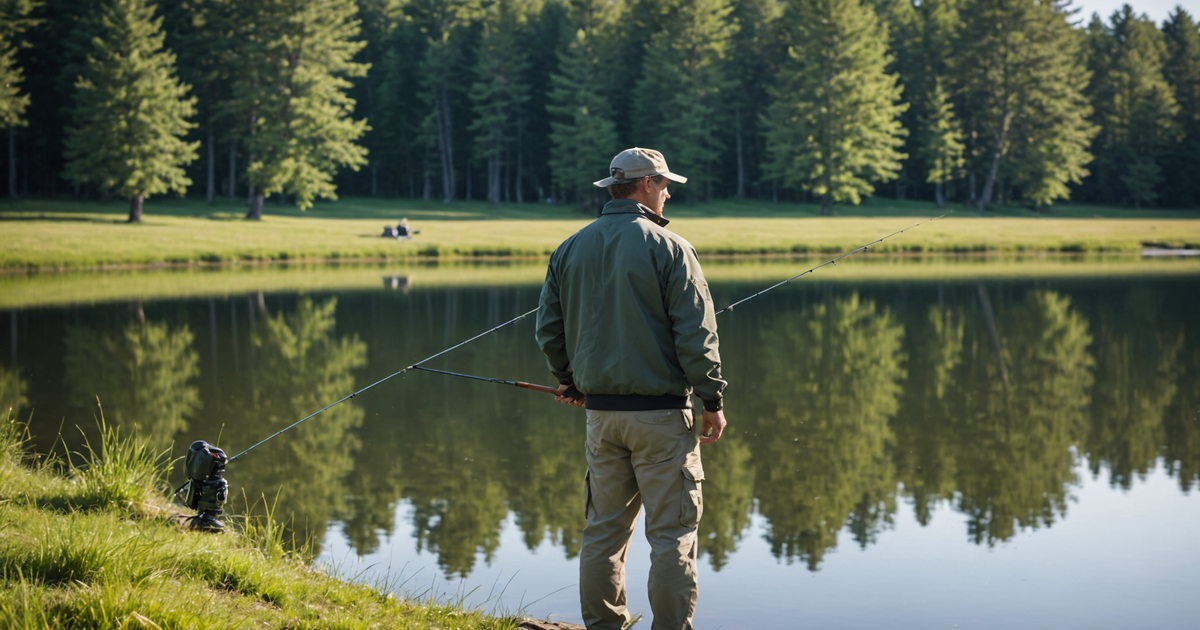
Adopting sustainable fishing techniques is crucial. Catch and release practices, using barbless hooks, and avoiding fishing in areas with high concentrations of spawning salmon can help minimise the impact on fish populations. For more insights, explore how to fish Brad’s Super Baits for salmon.
Planning Your Alaska Fishing Adventure
Best Times to Visit
The best times to plan a fishing trip align with the peak spawning periods, typically from June to September. Consider factors such as weather, accessibility, and local events when planning your visit. For a comprehensive guide, check out these tips for planning a successful Alaska fishing vacation.
Choosing the Right Gear
Selecting the appropriate gear is essential for a successful fishing trip. From rods and reels to bait and tackle, having the right equipment can make all the difference. You might also want to customise your gear with fish decals for a personal touch.
Exploring Beyond Salmon
While salmon are the main attraction, Alaska offers a plethora of fishing opportunities. Consider trying your hand at trout and grayling fishing for a varied experience. Each species presents its own challenges and rewards, making Alaska a true angler’s paradise.
Conclusion
The salmon spawning season in Alaska is a remarkable spectacle, offering insights into the resilience of nature and the interconnectedness of ecosystems. By understanding the timing, ecological significance, and responsible fishing practices, visitors can enjoy the rich natural heritage of Alaska while contributing to its preservation. Whether you’re an angler or a wildlife enthusiast, the salmon spawning season is an experience not to be missed.
FAQ
When is the best time to see salmon spawning in Alaska?
The best time to witness salmon spawning in Alaska is typically from July to September, depending on the species and location.
What gear should I bring for salmon fishing in Alaska?
Essential gear includes a high-quality rod and reel, appropriate bait, tackle, and weather-appropriate clothing. Customising your gear with items like fish decals can also enhance your experience.
Are there regulations I need to follow when fishing during spawning season?
Yes, the Alaska Department of Fish and Game provides specific regulations and permits required for fishing during the spawning season.
Can I fish for species other than salmon in Alaska?
Absolutely, Alaska offers diverse fishing opportunities. You can try trout and grayling fishing for a different experience.
What are some sustainable fishing practices I should know?
Sustainable practices include catch and release, using barbless hooks, and avoiding areas heavily populated with spawning salmon.
How can I learn more about planning a fishing trip to Alaska?
For comprehensive planning tips, visit this guide on planning a successful Alaska fishing vacation.
What role do salmon play in the Alaskan ecosystem?
Salmon are crucial for nutrient cycling and support a wide range of wildlife and plant species within their ecosystems. They also hold cultural significance for local communities.