
Introduction
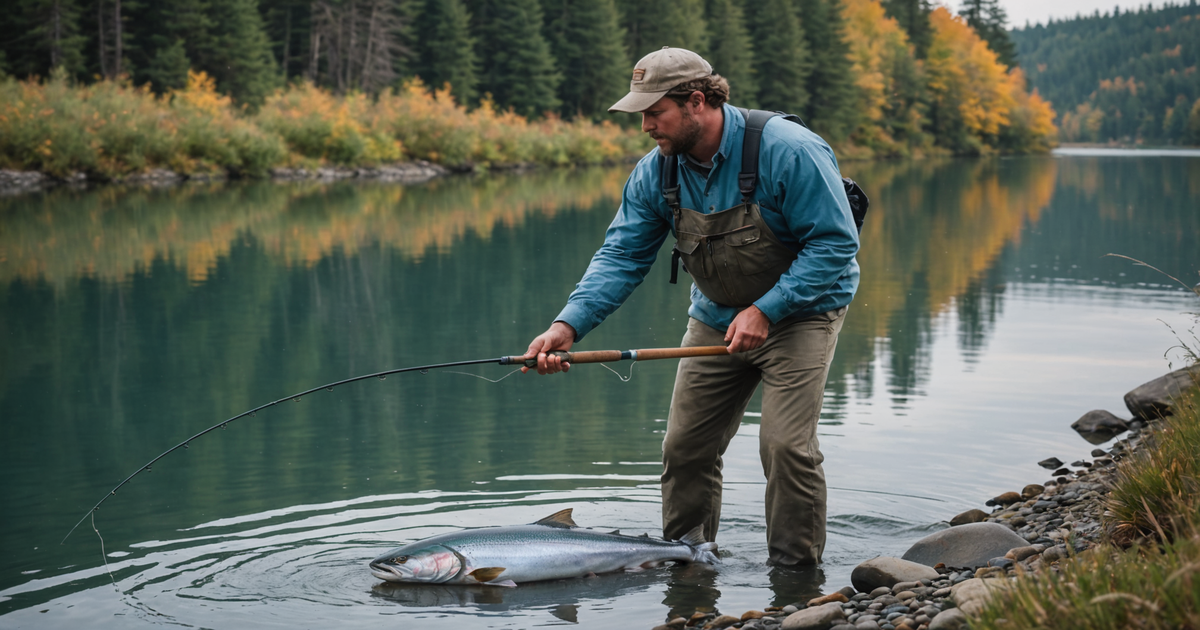
Alaska, a land of untamed wilderness and breathtaking landscapes, is synonymous with salmon fishing. Enthusiasts from around the globe travel to this northernmost frontier to experience the thrill of angling amidst its pristine waters. This guide will introduce you to the various salmon types in Alaska, delve into the unique characteristics of each species, and explore the benefits of guided fishing trips to enhance your Alaskan adventure. For more detail, see official guidance.
The Quintessential Salmon Types in Alaska
Alaska is home to five primary salmon species: King, Sockeye, Coho, Pink, and Chum. Each of these species brings its own flair to the fishing experience, attracting anglers with their unique traits and challenges. For more detail, see further information.
King Salmon (Chinook). For more detail, see detailed advice.
The King Salmon, or Chinook, holds the title as the largest of the Pacific salmon family. Known for their impressive size and strength, King Salmon can weigh over 50 pounds, with some giants tipping the scales at over 100 pounds. Anglers prize these fish not only for their size but also for their delicious, succulent flesh. The King Salmon’s migratory journeys lead them through Alaska’s vast river systems, providing ample opportunities for anglers to test their skills. For more detail, see planning resources.
Sockeye Salmon (Red). For more detail, see local insights.
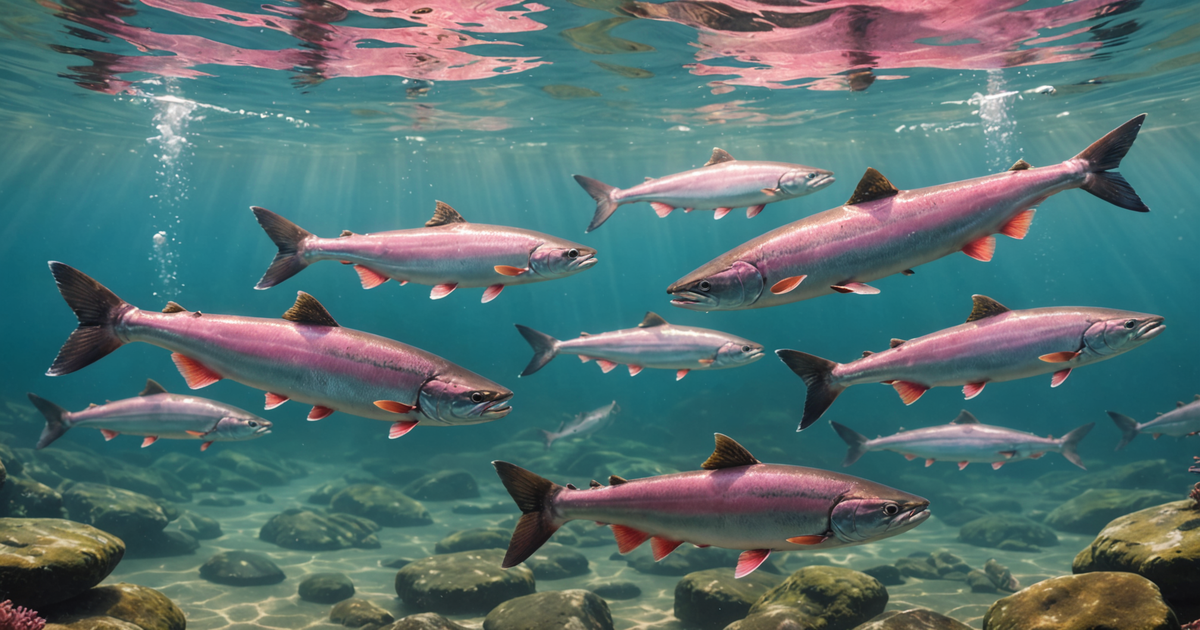
Often referred to as Red Salmon due to their vibrant hue during spawning, Sockeye Salmon are highly sought after for their rich flavour and firm texture. They are known for their spectacular migrations, often swimming hundreds of miles upstream to spawn. The best time to target Sockeye is during their peak season in the summer months, offering anglers a chance to witness their remarkable transformation.
Coho Salmon (Silver)
Coho Salmon, or Silver Salmon, are celebrated for their acrobatic displays and aggressive nature. These medium-sized fish are particularly popular with fly fishermen, providing an exhilarating challenge as they leap and twist through the air. Coho are typically found in coastal streams and rivers, making them accessible for various fishing techniques.
Pink Salmon (Humpy)
Pink Salmon, affectionately known as Humpy Salmon due to the distinctive hump they develop during spawning, are the smallest of the Alaskan salmon species. Although they may not provide the same fight as their larger counterparts, Pink Salmon are abundant and offer a great introduction to salmon fishing for beginners. Their runs occur in even-numbered years, creating a predictable opportunity for anglers.
Chum Salmon (Dog)
Chum Salmon, also known as Dog Salmon, are known for their distinctive calico pattern and sturdy build. Although they are often overshadowed by other species, Chum Salmon provide a thrilling experience with their tenacity and power. They are excellent targets for those seeking a less crowded fishing experience in more remote locations.
Guided Fishing Trips in Alaska
Embarking on a guided fishing trip can significantly enhance your Alaskan salmon fishing adventure. Expert guides bring extensive local knowledge, ensuring you have the best chance of success while navigating the vast waterways of Alaska.
Benefits of a Guided Trip
- Local Expertise: Guides possess intimate knowledge of local fishing spots, seasonal patterns, and techniques.
- Safety: With unpredictable weather and wildlife, having an experienced guide ensures your safety.
- Equipment: Most guided trips provide high-quality gear, eliminating the need to transport your own.
- Education: Learn about the ecosystem, conservation efforts, and sustainable fishing practices from your guide.
For those looking to extend their Alaskan adventure, consider exploring a Raven Glacier tour or engaging in other outdoor activities offered in the region.
Conclusion
Alaska’s diverse salmon species offer a unique and thrilling fishing experience for anglers of all levels. Whether you are pursuing the mighty King or the agile Coho, Alaska’s waters promise unforgettable encounters. Opting for a guided trip can further enhance your adventure, providing invaluable insights and memories to last a lifetime. As you plan your journey, remember to check the latest regulations to ensure a responsible and enjoyable fishing experience.
FAQ
What are the main salmon types in Alaska?
Alaska is home to five main salmon species: King (Chinook), Sockeye, Coho (Silver), Pink (Humpy), and Chum (Dog) Salmon.
When is the best time to fish for salmon in Alaska?
The optimal time varies by species, but generally, the summer months offer the best conditions for salmon fishing, particularly from June to August.
Do I need a fishing licence to fish for salmon in Alaska?
Yes, a fishing licence is required. You can obtain one through the Alaska Department of Fish and Game.
Are guided fishing trips worth it in Alaska?
Guided trips offer numerous benefits, including expert knowledge, provided equipment, and enhanced safety, making them highly recommended for both novice and experienced anglers.
Where can I purchase local Alaskan salmon products?
Local markets and specialty shops offer a variety of Alaskan salmon products. For a unique treat, try some Alaskan salmon candy.
What should I wear for fishing in Alaska?
Dress in layers to accommodate changing weather conditions. Waterproof gear and sturdy boots are essential.
Can I fish for other species besides salmon in Alaska?
Absolutely. Alaska offers a diverse array of fishing opportunities, including trout and grayling, among others.
Are there sustainable fishing practices in Alaska?
Yes, Alaska is committed to sustainable fishing practices. Learn more from the Alaska Department of Fish and Game and participate in responsible angling to preserve these resources for future generations.