
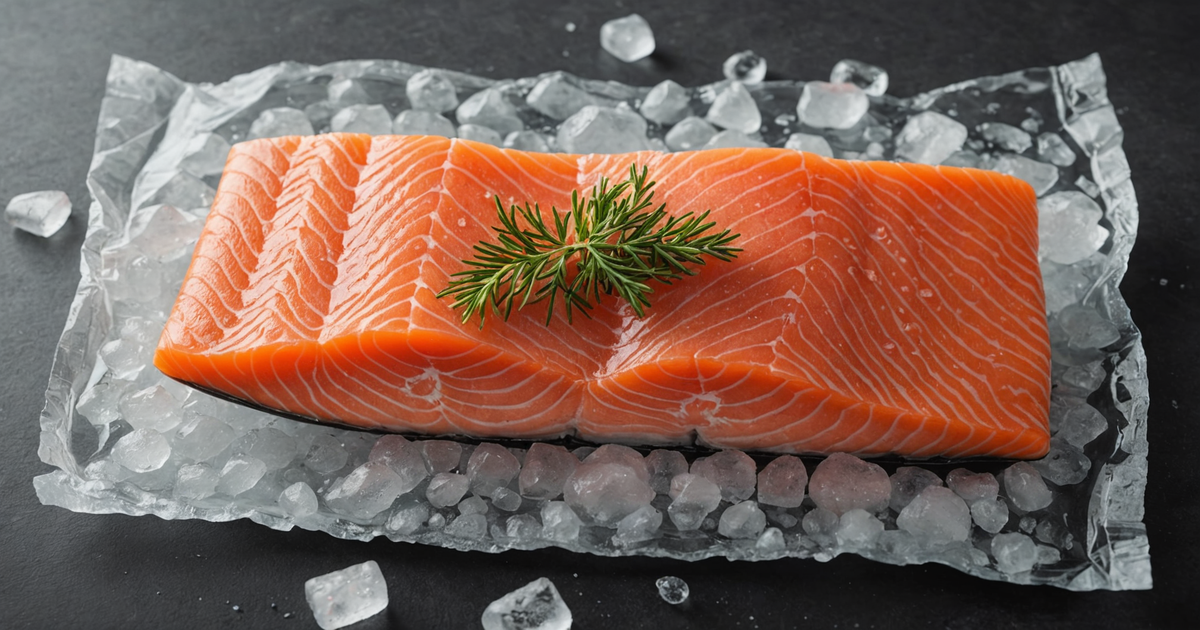
Shipping Salmon from Alaska | Info. For more detail, see official guidance.
Shipping salmon from Alaska is a topic of interest for many anglers who visit the Last Frontier to experience its world-renowned fishing opportunities. Known for its pristine waters and abundant fish populations, Alaska is a haven for those seeking the thrill of catching salmon. However, once the fishing trip is over, the challenge is to transport the prized catch home safely. This guide provides comprehensive information on the processes involved, including packing, freezing, and adhering to airline regulations. For more detail, see further information.
Planning Your Fishing Trip
Before diving into the logistics of shipping salmon, it’s important to plan your fishing trip effectively. Alaska offers various guided salmon fishing experiences that ensure you have the best chance of success. Timing is crucial, as the salmon season varies depending on the species and location. For detailed insights, consider checking out the Alaska Department of Fish and Game for current fishing regulations and seasonal updates. For more detail, see detailed advice.
Packing and Freezing
The first step in shipping salmon is proper packing and freezing. It is essential to preserve the freshness and quality of the fish. Begin by cleaning and filleting the fish immediately after catching it. Once filleted, the salmon should be vacuum-sealed to prevent freezer burn and maintain flavour. For more detail, see planning resources.
Freezing Methods:
1. Blast Freezing: This method is preferred for its quick freezing process, which locks in the freshness of the salmon.
2. Ice Packing: Use ice packs to keep the fish cold during transit. Ensure the fish is well-insulated to avoid thawing. For more detail, see local insights.
Airline Regulations
Understanding airline regulations is crucial when shipping salmon from Alaska. Most airlines allow passengers to check in fish boxes as luggage, but there are specific guidelines to follow:
- Weight Restrictions: Typically, airlines impose weight limits for checked luggage. It’s essential to adhere to these limits to avoid extra charges.
- Packaging Requirements: The fish must be packed in leak-proof containers. Airlines often recommend using insulated fish boxes or coolers.
- Documentation: Ensure you have the necessary permits and documentation, especially if you are shipping large quantities of fish.
For further details, it’s advisable to consult the Federal Fisheries Regulations to ensure compliance.
Shipping Companies
If you prefer not to handle the logistics yourself, numerous shipping companies specialise in transporting seafood. These companies provide services that include packing, freezing, and delivering the salmon to your doorstep.
Choosing a Shipping Company:
– Research the company’s reputation and customer reviews.
– Verify that they offer temperature-controlled shipping.
– Ensure they comply with all federal regulations.
Angler Tips and Tricks
Seasoned anglers often have their own tips for ensuring their catch arrives home in perfect condition. If you’re planning to go fishing, consider exploring angling tips to improve your skills and knowledge.
Pro Tips:
– Always carry a portable vacuum sealer.
– Use dry ice sparingly, as some airlines have restrictions on its use.
– Label your fish with your name and address to avoid any confusion during transit.
Sustainable Practices
While the thrill of the catch is exhilarating, it is essential to practice sustainable fishing. Adhere to the Alaska fishing regulations to ensure the preservation of fish populations for future generations. Engaging in responsible angling practices not only supports conservation efforts but also enhances the overall fishing experience.
Conclusion
Shipping salmon from Alaska need not be a daunting task. By following the steps outlined in this guide, you can ensure your catch arrives home fresh and ready for consumption. From proper packing and freezing to understanding airline regulations, each aspect is crucial to the successful transportation of your prized salmon.
Whether you’re an experienced angler or a novice, planning your trip with professional guided fishing tours can enhance your adventure and ensure an unforgettable experience in Alaska’s pristine waters.
FAQ
1. What is the best time to fish for salmon in Alaska?
The Alaska salmon season varies by species and location. Typically, the best times range from May through September.
2. How should I pack my salmon for air travel?
Ensure the salmon is vacuum-sealed and packed in a well-insulated container with ice packs to maintain freshness during transit.
3. Are there weight restrictions for shipping salmon on airlines?
Yes, airlines generally impose weight limits on checked luggage. Check with your airline for specific restrictions and fees.
4. Can I use dry ice to keep my salmon frozen?
Dry ice is permissible on most airlines, but there are quantity restrictions. It’s best to confirm with your airline before using it.
5. Do I need a special permit to ship salmon from Alaska?
While personal quantities typically do not require special permits, commercial shipments might. Check fishing regulations for detailed information.
6. Which shipping companies are recommended for transporting salmon?
Choose companies with a strong reputation for handling seafood and offering temperature-controlled shipping services.
7. How can I ensure sustainable fishing practices?
Follow the Alaska Department of Fish and Game guidelines and practice catch-and-release when appropriate to support conservation efforts.
8. Are there guided tours available for first-time anglers?
Yes, guided fishing tours are available and highly recommended for beginners to enhance their fishing experience.