
Introduction
Alaska, the last great wilderness, offers a breathtaking array of natural wonders, and among these magnificent spectacles is the sockeye salmon run. A vibrant display of nature’s cycle, the sockeye salmon run in Alaska is a phenomenon that attracts visitors and wildlife enthusiasts from across the globe. This annual migration, where millions of salmon return to their natal waters to spawn, is a sight to behold and requires careful planning to fully appreciate. In this guide, we offer insights into this natural marvel, tips for planning your visit, and essential information to ensure a memorable experience. For more detail, see official guidance.
Understanding the Sockeye Salmon Run
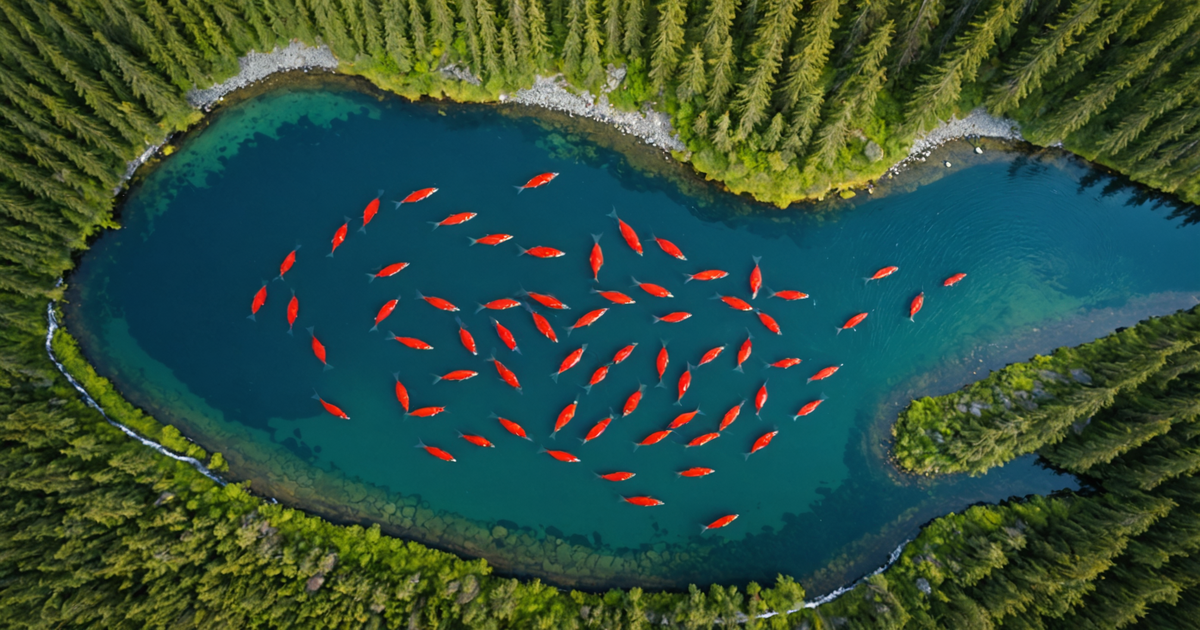
The sockeye salmon, known for its bright red body and green head as it returns to spawn, embarks on a journey that is as ancient as it is awe-inspiring. The salmon run typically occurs between May and September, with peak runs varying across different regions of Alaska. The Kenai Peninsula, Bristol Bay, and Kodiak Island are among the most popular locations to witness this event. Understanding the timing and biology of the salmon run is crucial for planning your trip effectively. For more detail, see further information.
Timing and Locations. For more detail, see detailed advice.
Timing is everything when it comes to experiencing the sockeye salmon run. The Alaska Department of Fish and Game provides up-to-date information on run timings, which can vary based on weather and water conditions. For those planning to visit the Kenai Peninsula, the peak is usually in July, while Bristol Bay sees its most significant activity in late June to early July. Being aware of these timelines will allow you to plan your visit around the peak activity periods. For more detail, see planning resources.
The Best Spots to Witness the Run. For more detail, see local insights.
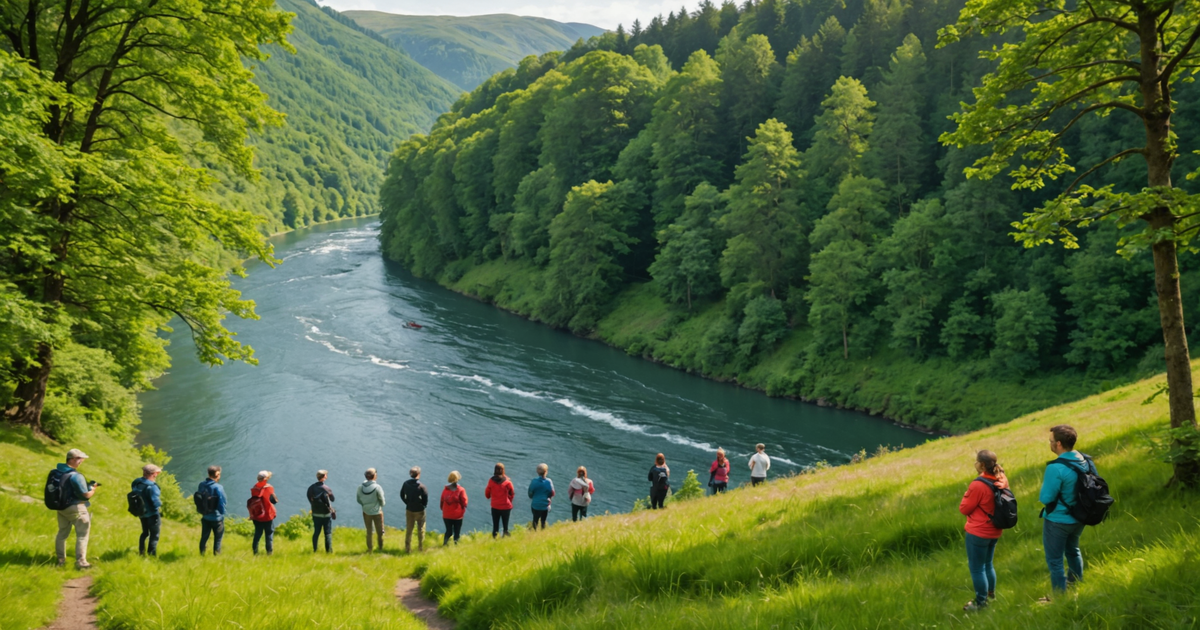
Alaska offers numerous vantage points to observe the salmon run. Besides the popular Kenai Peninsula, locations such as the Katmai National Park provide unparalleled opportunities to witness not just the salmon but also the bears that come to feast on them. The Alaska.org guide offers detailed information on various fishing spots that double as excellent viewing areas for the salmon run.
Planning Your Visit
Planning a trip to witness the sockeye salmon run in Alaska involves more than just timing; accommodations, travel logistics, and understanding local regulations are all critical components.
Accommodations and Travel
Given the popularity of the salmon run, accommodations can fill up quickly. It’s advisable to book well in advance, especially if you’re planning to visit during peak season. Websites such as Travel Alaska provide resources for planning your fishing trip, including information on local accommodations and travel tips.
Regulations and Sustainability
Respect for the environment is paramount when visiting Alaska. Be sure to familiarise yourself with local fishing regulations and sustainable practices. The Alaska Adventure Guides offers resources on how to engage with Alaska’s natural beauty responsibly. Additionally, the National Park Service provides guidelines for maintaining the natural habitat and ensuring that your visit leaves no trace.
Conclusion
Experiencing the sockeye salmon run in Alaska is a unique adventure that combines the beauty of nature with the thrill of witnessing one of the most significant natural migrations on Earth. By planning ahead and respecting the local environment, visitors can enjoy this spectacle while contributing to the preservation of Alaska’s pristine wilderness. Whether you’re a nature enthusiast, a photographer, or someone seeking an unforgettable travel experience, the sockeye salmon run is an event that should be on your bucket list.
FAQ
1. What is the sockeye salmon run in Alaska?
The sockeye salmon run in Alaska is an annual migration where sockeye salmon return to their natal streams to spawn. It typically occurs between May and September.
2. Where is the best place to see the sockeye salmon run?
The Kenai Peninsula, Bristol Bay, and Kodiak Island are among the best places to witness the sockeye salmon run.
3. What is the peak time for the salmon run in Alaska?
Peak times vary by location but generally occur between late June and early July in Bristol Bay and around July in the Kenai Peninsula.
4. How can I plan my trip to see the salmon run?
Start by checking the run timings on the Alaska Department of Fish and Game, book accommodations early, and consider hiring a local guide for the best experience.
5. Are there any regulations I should be aware of when visiting?
Yes, it’s important to follow local fishing regulations and engage in sustainable practices. Resources are available through Alaska Adventure Guides.
6. What other wildlife can I expect to see during the salmon run?
In addition to the salmon, visitors can often see bears, eagles, and other wildlife that are drawn to the rivers during the salmon run.
7. Is it possible to fish during the salmon run?
Yes, fishing is a popular activity during the salmon run, but be sure to obtain the necessary permits and follow all local regulations. More information can be found on Travel Alaska.
8. Why is the sockeye salmon run important?
The salmon run is crucial for the ecosystem, providing food for various animals and contributing to the nutrient cycle in aquatic environments. It also supports local economies through tourism and fishing.