
Introduction
Tracy Arm Glacier, nestled in the heart of Alaska, is a destination that promises an unparalleled blend of natural beauty and awe-inspiring landscapes. This remote gem, surrounded by towering cliffs and pristine waters, offers visitors a chance to witness one of nature’s grandest spectacles. Whether you’re embarking on a cruise or planning a tour, understanding the nuances of this area will enhance your experience. This guide provides essential tips for visiting Tracy Arm Glacier, including cruise advice, wildlife viewing opportunities, and optimal timing. For more detail, see official guidance.
Choosing the Right Cruise
When planning a visit to Tracy Arm Glacier, selecting the right cruise is crucial. Various cruise lines offer excursions to this stunning fjord, each with unique itineraries and durations. It’s advisable to research and compare what each cruise offers in terms of amenities, guides, and routes. For more detail, see further information.
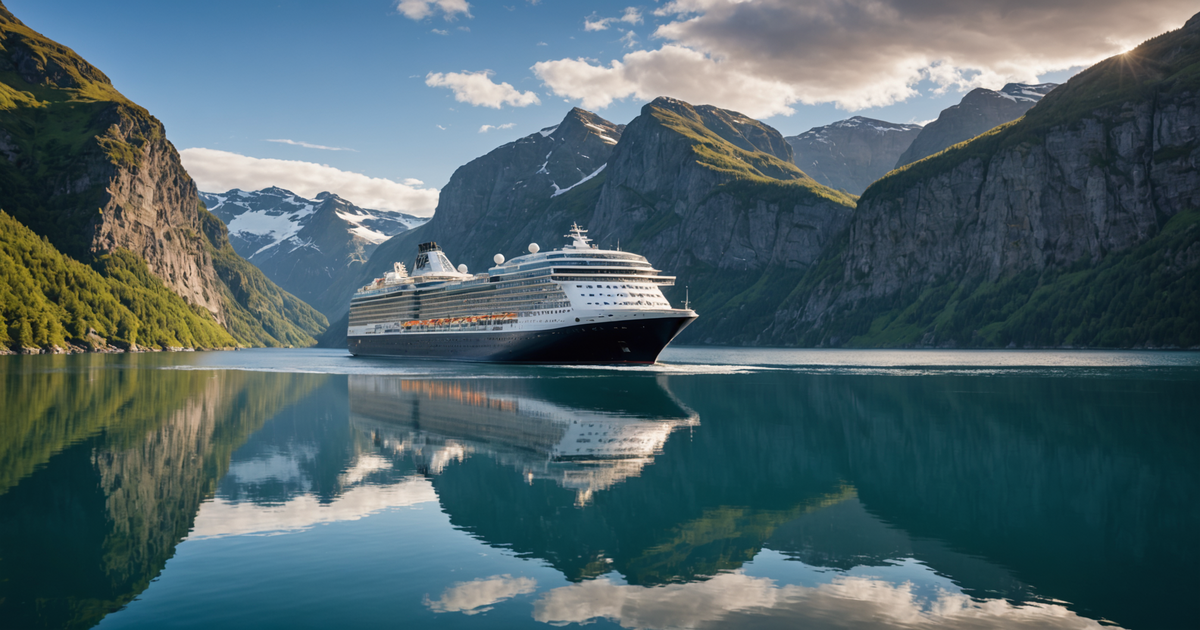
A typical cruise to Tracy Arm starts from Juneau, Alaska’s capital, and takes about eight hours for a round trip. While onboard, you can expect to see not only the majestic Sawyer Glaciers but also a plethora of wildlife, including seals, whales, and eagles. For those interested in extending their adventure, some cruises offer additional stops at other southern glaciers, providing a more comprehensive view of Alaska’s icy wonders. For more detail, see detailed advice.
Timing Your Visit
Visiting Tracy Arm Glacier requires careful consideration of timing. The cruise season generally runs from May to September, with the peak months being June through August. During these months, the weather is relatively mild, and the longer daylight hours provide more opportunities to explore. For more detail, see planning resources.
The best time to see calving glaciers, where chunks of ice break off and crash into the water, is late summer. For wildlife enthusiasts, early mornings or late afternoons are ideal for spotting animals in their natural habitat. It’s also worth noting that weather conditions can change rapidly in Alaska, so checking the forecast is essential before your trip. For more detail, see local insights.
Wildlife Viewing Opportunities
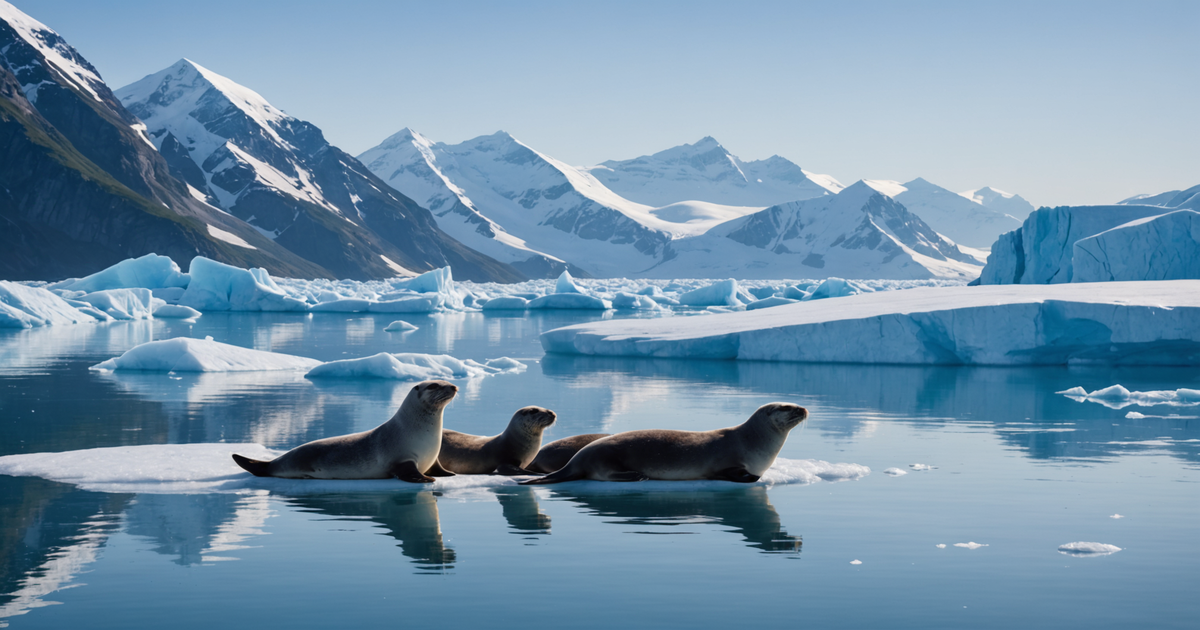
Tracy Arm Glacier is a haven for wildlife, making it a paradise for nature lovers and photographers. As you sail through the fjord, keep your eyes peeled for harbor seals lounging on icebergs or humpback whales breaching in the distance. Birdwatchers will be thrilled by the sight of bald eagles soaring overhead.
For a more immersive experience, some tours offer guided activities focusing on the region’s diverse wildlife. These excursions often include expert naturalists who can provide insights into the animals’ behaviours and habitats. Learn more about wildlife in Alaska to prepare for what you might encounter during your visit.
Photography Tips for Capturing the Glacier
Photographing Tracy Arm Glacier can be a rewarding yet challenging endeavour. The key to capturing the perfect shot lies in preparation and timing. Here are a few tips to enhance your photography experience:
- Use a Polarising Filter: This will help reduce glare from the water and enhance the colours of the ice and sky.
- Bring a Zoom Lens: Wildlife sightings can occur at a distance, so having a zoom lens will enable you to capture those moments up close.
- Choose the Right Time of Day: Early morning or late afternoon provides the best lighting conditions, casting a golden hue over the landscape.
- Stabilise Your Camera: Consider using a tripod or stabiliser to prevent motion blur, especially when shooting from a moving vessel.
For more photography tips and tricks, check out resources on outdoor activities.
Responsible Tourism and Conservation
As a visitor to Tracy Arm Glacier, it’s crucial to engage in responsible tourism practices to help preserve this fragile environment. The Leave No Trace principles are an excellent guide for minimising your impact. Always dispose of waste properly, respect wildlife by observing from a distance, and follow all guidelines set by tour operators and local authorities.
Many tour operators in Alaska are committed to sustainable practices, ensuring that their activities support conservation efforts. By choosing eco-friendly options and operators, you contribute to the ongoing preservation of this stunning natural landscape.
Conclusion
A trip to Tracy Arm Glacier offers an unforgettable experience filled with breathtaking sights and the chance to connect with nature. By choosing the right cruise, timing your visit wisely, and embracing sustainable tourism practices, you can ensure a rewarding adventure. Whether you’re captivated by the dynamic glaciers or the diverse wildlife, Tracy Arm Glacier is a destination that promises to leave a lasting impression.
FAQ
What is the best time of year to visit Tracy Arm Glacier?
The best time to visit Tracy Arm Glacier is during the cruise season, from May to September, with peak conditions in June through August.
How can I book a cruise to Tracy Arm Glacier?
You can book a cruise through various operators departing from Juneau. It’s recommended to compare itineraries and choose one that aligns with your interests.
What wildlife can I expect to see at Tracy Arm Glacier?
Visitors can expect to see harbour seals, humpback whales, bald eagles, and occasionally, orcas and bears.
Are there any hiking opportunities near Tracy Arm Glacier?
While the primary way to experience Tracy Arm is by boat, there are hiking opportunities in nearby areas. Check out all riding and hiking tours for more information.
What should I pack for my visit to Tracy Arm Glacier?
Pack warm clothing, waterproof gear, binoculars for wildlife viewing, and a camera with a zoom lens for capturing the majestic landscapes.
Are there any regulations to follow while visiting Tracy Arm Glacier?
Yes, visitors should adhere to all local guidelines and regulations, which include respecting wildlife and minimising environmental impact. For more details, visit the Alaska Department of Fish and Game.
Can I see glaciers calving at Tracy Arm?
Yes, glacier calving is a common sight in late summer. Watching massive chunks of ice crash into the water is an unforgettable experience.
How can I ensure my visit supports conservation efforts?
Choose tour operators that follow sustainable practices and engage in responsible tourism to help preserve the environment. Learn more about sustainable tourism initiatives in Alaska.