
Introduction
Alaska, with its rugged landscapes and pristine waters, is a haven for anglers worldwide. The state is renowned for its diverse and abundant salmon populations, making it a top destination for fishing enthusiasts. Whether you are a seasoned angler or a beginner keen on discovering the thrill of salmon fishing, understanding the different types of salmon in Alaska is crucial. This guide will introduce you to the five main species of salmon found in Alaskan waters, helping you plan an unforgettable guided fishing adventure. For more detail, see official guidance.
Chinook Salmon (King Salmon)
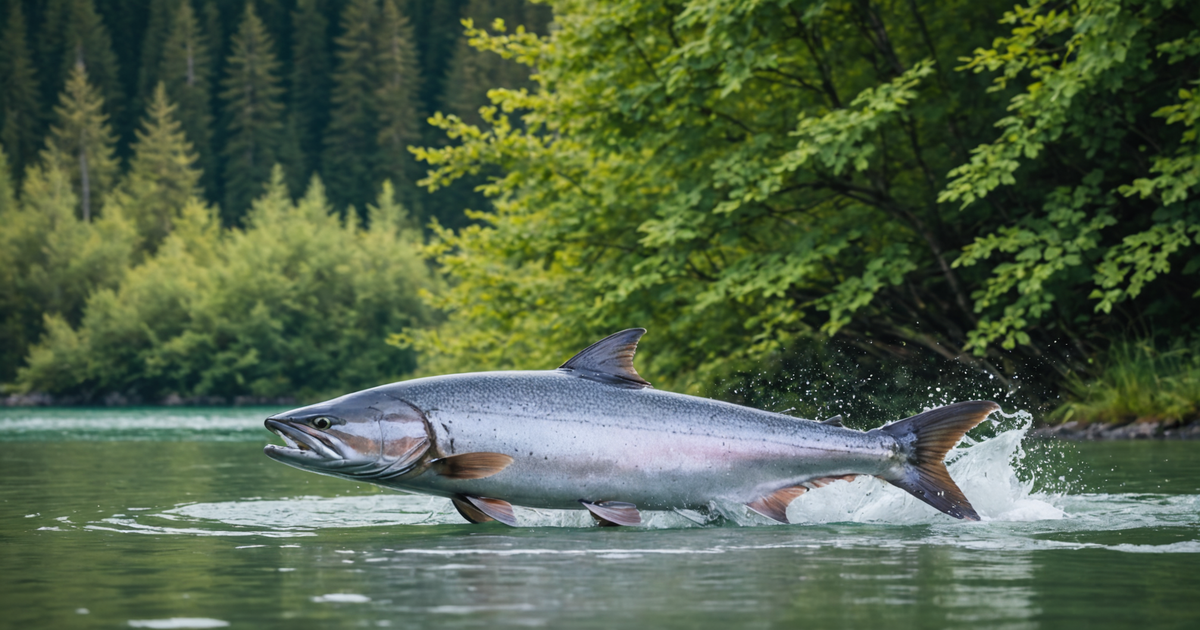
Chinook salmon, often referred to as King salmon, are the largest of the Pacific salmon species. Known for their impressive size and strength, they are a prized catch for many anglers. King salmon can weigh over 50 pounds, with some exceptional catches exceeding 100 pounds. They are typically found in large river systems and coastal areas. For more detail, see further information.
The best time to fish for Chinook in Alaska is from May to July. Plan your fishing trip during these months to maximise your chances of landing one of these giants. Guided trips often focus on the Kenai River, known for its record-breaking King salmon. For more detail, see detailed advice.
Sockeye Salmon (Red Salmon)
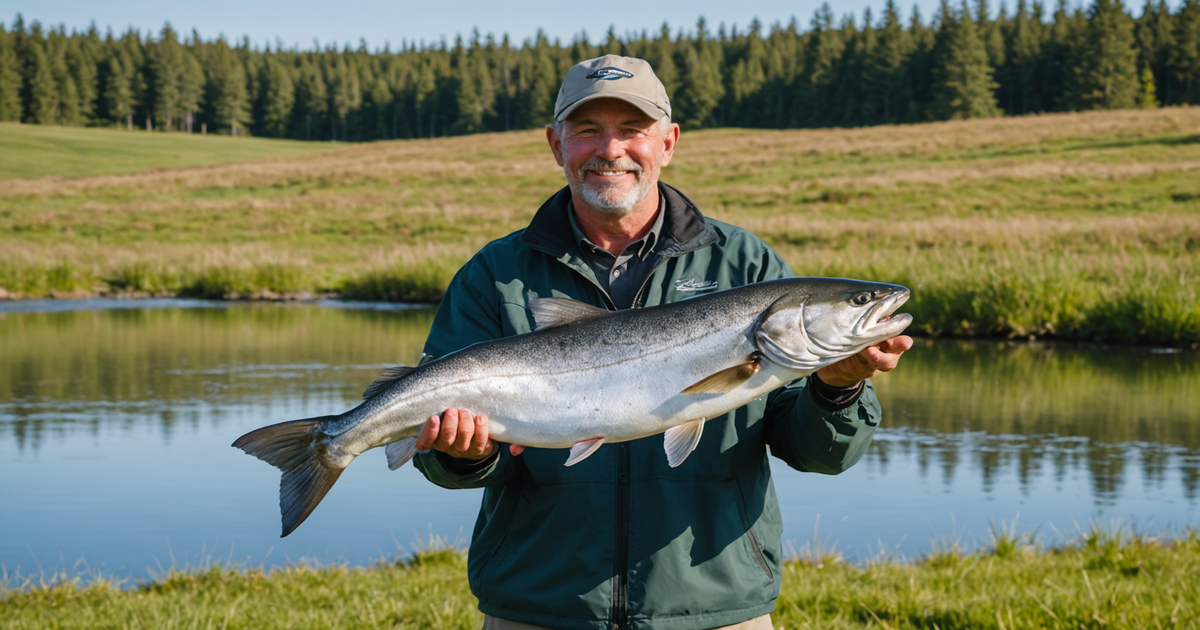
Sockeye salmon, also known as Red salmon due to their vibrant colour during spawning, are smaller than Chinook but equally popular for their taste. They are a staple in Alaskan culinary traditions, often smoked or canned. Sockeyes are typically found in lakes and rivers connected to the sea. For more detail, see planning resources.
The peak season for Sockeye fishing is from late June to early August. The Kenai Peninsula is a prime location for Sockeye fishing, offering guided tours that cater to both novice and experienced anglers. For more detail, see local insights.
Coho Salmon (Silver Salmon)
Coho salmon, or Silver salmon, are known for their acrobatic fights and are a favourite among sport fishermen. They are medium-sized, typically weighing between 8 to 12 pounds, and can be found in many Alaskan waters from July through November.
Fishing for Coho salmon is an exciting experience, especially in the Mat-Su Valley and Prince William Sound. Explore fishing opportunities in these areas to catch these lively fish.
Pink Salmon (Humpy Salmon)
Pink salmon, or Humpy salmon, are the smallest of the Pacific salmon species, averaging around 3 to 5 pounds. They are named for the pronounced hump that males develop during spawning. Pinks are abundant and can be found in most coastal streams and rivers.
Pink salmon have a biennial lifecycle, with large runs occurring in even-numbered years. The best time to fish for Pink salmon is from July to September. They are ideal for beginners due to their abundance and willingness to bite.
Chum Salmon (Dog Salmon)
Chum salmon, or Dog salmon, are easily identifiable by their distinctive colouring and large canine-like teeth. They are known for their mild taste and are often used for smoking or in pet food.
Chum salmon runs occur from June to September, with significant numbers found in the Yukon and Kuskokwim Rivers. Discover more about Chum salmon fishing to ensure a successful catch.
Planning Your Guided Salmon Fishing Adventure
Alaska offers numerous opportunities for guided salmon fishing trips. Whether you prefer fly fishing on a remote river or trolling in the ocean, there’s an adventure waiting for you. Contact Alaska Adventure Guides to start planning your trip and ensure you have the right fishing equipment for your adventure.
Conclusion
Exploring the different types of salmon in Alaska is an exhilarating experience that combines the beauty of nature with the thrill of the catch. With proper planning and guidance, you can enjoy an unforgettable fishing adventure amidst Alaska’s stunning landscapes. Whether you’re targeting the mighty King salmon or the feisty Silver salmon, each species offers a unique challenge and reward.
FAQ
What are the best months to fish for salmon in Alaska?
The best months vary by species: Chinook (May to July), Sockeye (late June to early August), Coho (July to November), Pink (July to September), and Chum (June to September).
Do I need a fishing license to fish for salmon in Alaska?
Yes, a valid Alaska fishing license is required for all anglers. More information on licensing can be found on the Alaska Department of Fish and Game website.
Can I fish for salmon without a guide in Alaska?
While it’s possible to fish without a guide, hiring a professional guide can enhance your experience and increase your chances of success.
What is the bag limit for salmon fishing in Alaska?
Bag limits vary by region and species. It’s important to consult the current fishing regulations before your trip.
Are there any conservation efforts in place for salmon in Alaska?
Yes, Alaska is committed to sustainable fishing practices, with strict regulations to ensure the preservation of salmon populations. Learn more about these efforts on the Alaska Department of Fish and Game website.
Can I keep the salmon I catch in Alaska?
Yes, but there are regulations regarding size and bag limits. Always check the local guidelines before fishing.
What should I bring on a salmon fishing trip in Alaska?
Bring appropriate clothing for the weather, a fishing license, and any personal fishing gear. It’s also advisable to check with your guided tour provider for specific recommendations.