
Introduction
In the pristine waters of Alaska, a diverse array of salmon species thrives, each with its unique characteristics and ecological significance. Among these is the chum salmon, a species that plays a crucial role in both the ecosystem and local culture. But what exactly is a chum salmon? In this comprehensive guide, we delve into the characteristics, lifecycle, fishing techniques, and culinary uses of this fascinating fish. Whether you’re an angler keen to fish Alaska’s rich waters or a curious reader looking to learn more about native wildlife, this article will illuminate the wonders of the chum salmon. For more detail, see official guidance.
The Chum Salmon: An Overview
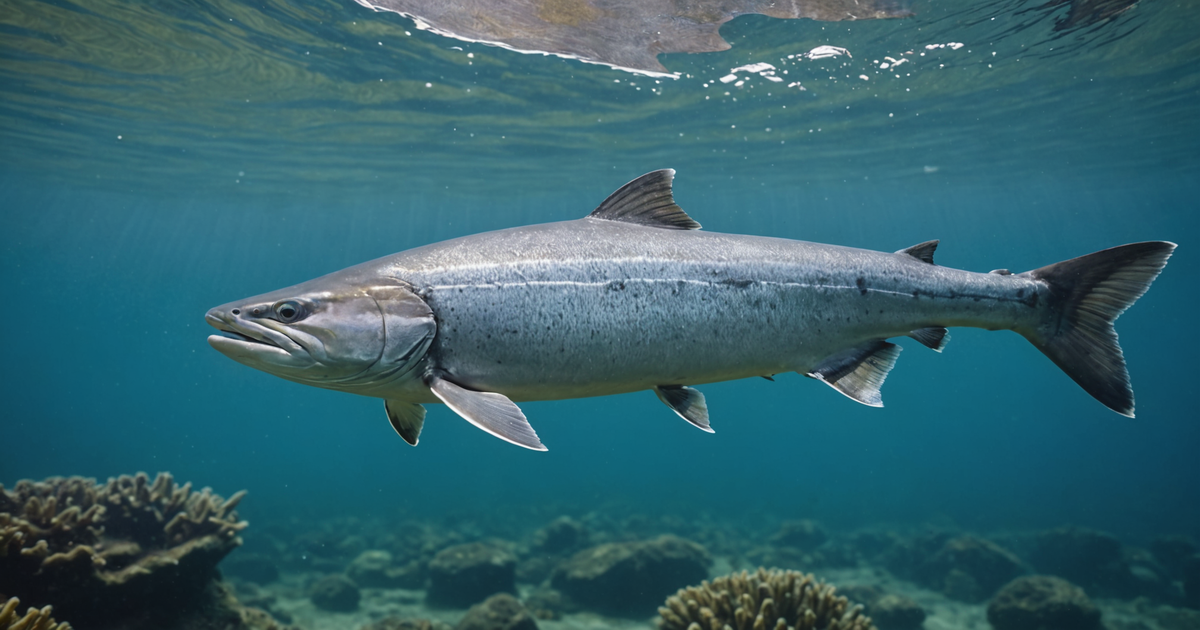
Chum salmon, scientifically known as Oncorhynchus keta, are one of the five Pacific salmon species native to Alaska. Recognised by their distinctive patterns and robust size, chum salmon are often referred to as “dog salmon” due to their pronounced canine-like teeth, which become more prominent during spawning. These fish are known for their silvery-blue appearance in the ocean, which transforms into vibrant hues of green and purple as they migrate to freshwater to spawn. For more detail, see further information.
Lifecycle and Habitat. For more detail, see detailed advice.
Chum salmon have a unique lifecycle that begins in the freshwater streams and rivers of Alaska, where they are born. They spend the early part of their lives in these freshwater environments before migrating to the ocean, where they grow and mature. This ocean phase can last between two to five years. The journey back to their natal streams, known as the spawning migration, is both perilous and fascinating, with salmon often travelling hundreds of miles upstream. For more detail, see planning resources.
Alaska’s rivers and coastal areas provide the perfect habitat for chum salmon, offering both the nutrient-rich waters of the ocean and the sheltered spawning grounds of freshwater streams managed by the Alaska Department of Fish and Game. The abundance of food sources in these areas supports their growth and survival through various stages of life. For more detail, see local insights.
Fishing for Chum Salmon
Fishing for chum salmon in Alaska is a thrilling experience, attracting anglers from around the world. Known for their aggressive nature and strong fighting abilities, chum salmon offer a rewarding challenge. The best time to target chum salmon is during their spawning run from June to September. Popular fishing techniques include fly fishing and drift fishing, with various lures and baits proving effective.
For those looking to enhance their fishing experience, guided trips are available, providing expert advice and access to prime fishing locations. It’s essential to adhere to local fishing regulations, which can be found on the Alaska Department of Fish and Game website.
Culinary Uses and Nutritional Value
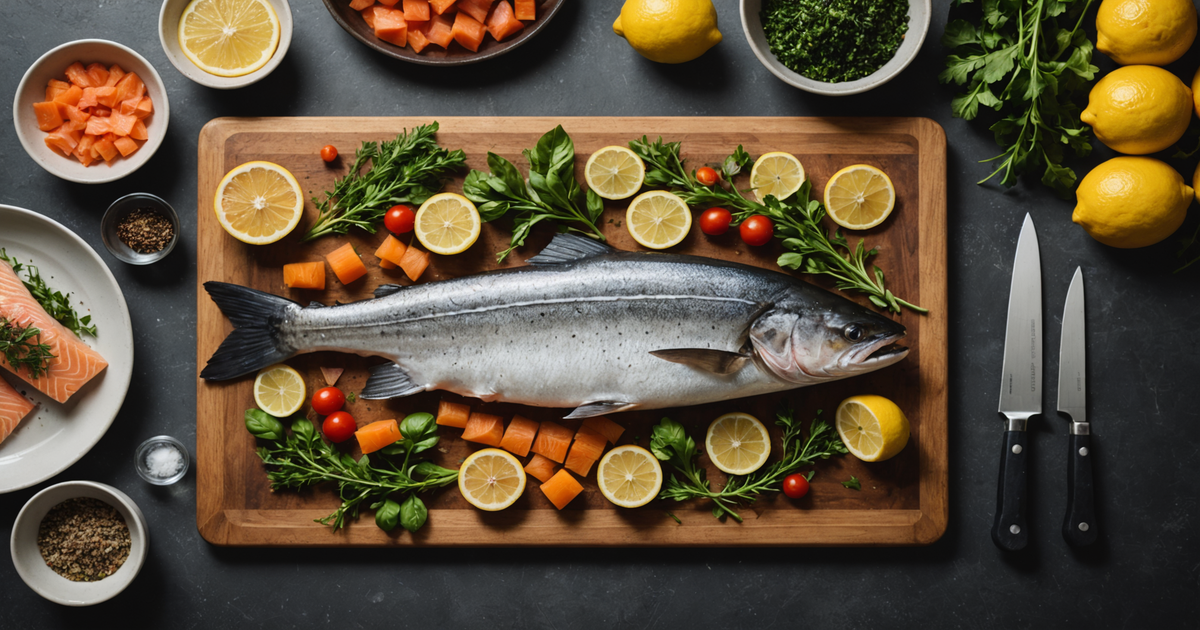
Chum salmon are not only valued for their sporting qualities but also for their culinary appeal. While they may not be as prized as other salmon species like king or sockeye for their flavour, chum salmon are versatile and nutritious. They are often used in smoked salmon products and canned goods, with their roe being particularly sought after for caviar.
Rich in omega-3 fatty acids, protein, and essential vitamins, chum salmon contribute significantly to a healthy diet. Their sustainability and abundance also make them an excellent choice for environmentally conscious consumers. For those interested in preserving their catch, salmon candy is a popular Alaskan delicacy that showcases the fish’s unique flavour.
Conservation and Sustainability
Efforts to conserve chum salmon populations are crucial, given their role in the ecosystem and local economies. Sustainable fishing practices and habitat conservation are central to maintaining healthy chum salmon stocks. Organisations such as the NOAA Fisheries and U.S. Fish and Wildlife Service work tirelessly to ensure these fish continue to thrive in Alaska’s waters.
Conclusion
Chum salmon are a vital component of Alaska’s rich natural heritage, offering ecological, recreational, and nutritional benefits. Understanding what a chum salmon is, alongside their lifecycle, fishing techniques, and culinary uses, provides a deeper appreciation for these remarkable fish. Whether you’re planning a fishing trip to Alaska or simply eager to learn more, the chum salmon is a fascinating subject well worth exploring.
FAQ
What is a chum salmon?
Chum salmon, or Oncorhynchus keta, are a species of Pacific salmon known for their distinctive colour changes and aggressive nature during spawning.
Where can I find chum salmon in Alaska?
Chum salmon are found in many of Alaska’s rivers and coastal areas. They migrate from the ocean to freshwater streams to spawn, particularly from June to September.
How do you fish for chum salmon?
Fishing for chum salmon can be done using techniques like fly fishing and drift fishing. It’s essential to use the right equipment and follow local fishing regulations.
What do chum salmon eat?
In the ocean, chum salmon feed on a variety of marine organisms, including zooplankton, small fish, and squid. This diet changes as they enter freshwater, where they focus on conserving energy for spawning.
Are chum salmon good to eat?
Yes, chum salmon are nutritious and versatile in culinary applications, though they are often used in smoked products and for their roe.
What efforts are being made to conserve chum salmon?
Conservation efforts include sustainable fishing practices and habitat restoration, guided by organisations such as the NOAA Fisheries.
When is the best time to fish for chum salmon in Alaska?
The prime time for fishing chum salmon is during their spawning runs, typically from late June through September.