
Introduction
Alaska, known for its breathtaking landscapes and abundant wildlife, offers some of the best salmon fishing opportunities in the world. With its pristine rivers and diverse salmon species, it’s no wonder that anglers from around the globe flock to this northern paradise each year. However, to make the most of your Alaskan fishing adventure, it is crucial to know when Alaskan salmon season occurs. Understanding the various salmon runs and their respective timelines can greatly enhance your experience. For more detail, see official guidance.
Understanding Alaskan Salmon Species
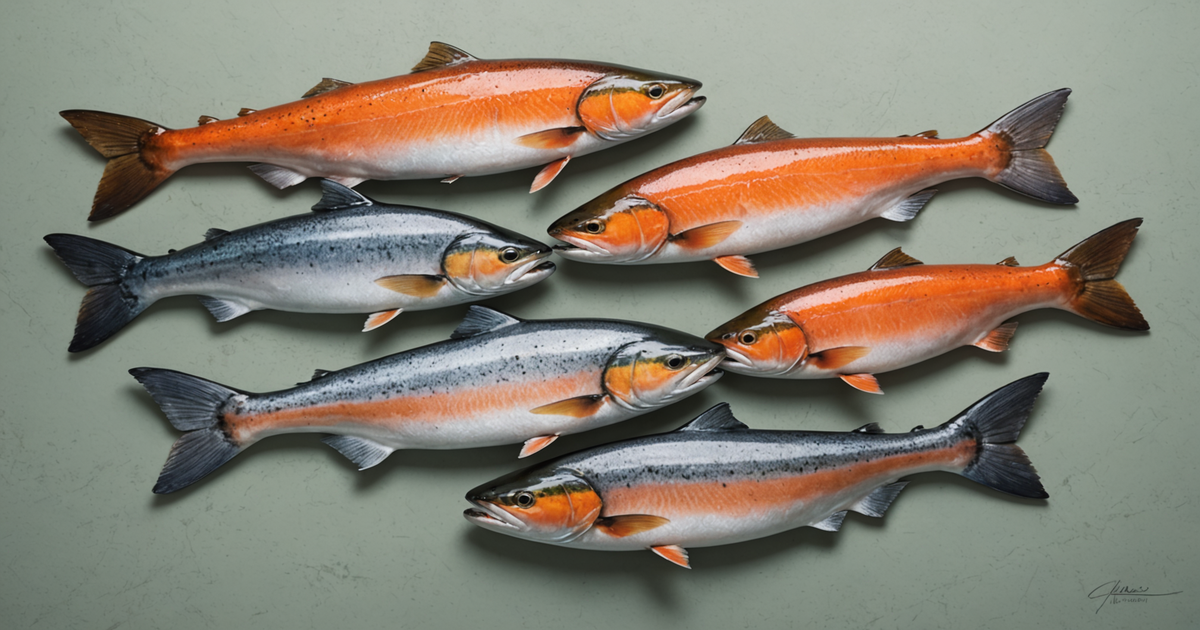
Alaska is home to five main species of salmon: Chinook (King), Coho (Silver), Sockeye (Red), Chum (Dog), and Pink (Humpy). Each species has its own distinct characteristics and timing for runs, which can vary depending on the region. For more detail, see further information.
Chinook (King) Salmon. For more detail, see detailed advice.
The Chinook salmon is the largest and most prized of the salmon species. Known for their strength and fighting ability, they are a favourite among sport fishers. The peak season for Chinook salmon typically runs from late May to early July, although some areas may see runs extending into August. For more detail, see planning resources.
Coho (Silver) Salmon. For more detail, see local insights.
Coho salmon are known for their acrobatic displays and aggressive behaviour, making them a thrilling catch. Their season generally begins in late July and continues through September. Cohos are particularly abundant in the Kenai Peninsula and Southeast Alaska.
Sockeye (Red) Salmon
Sockeye salmon are renowned for their rich flavour and are a favourite for both commercial and recreational fishers. Their runs typically occur from mid-June to early August, with the Bristol Bay area being one of the most prolific regions for Sockeye fishing.
Chum (Dog) Salmon
Chum salmon, while less popular for sport fishing, are still an important species due to their size and abundance. Their season usually spans from mid-June to mid-August, with the Yukon River being a prime location for Chum fishing.
Pink (Humpy) Salmon
Pink salmon are the smallest and most abundant of the Alaskan salmon species. They have a two-year life cycle with odd-numbered years typically seeing larger runs. The peak of the Pink salmon season occurs from mid-July to late August.
Best Locations for Salmon Fishing in Alaska
To truly maximise your Alaskan salmon fishing experience, it’s important to choose the right location based on the species and timing of the runs.
Kenai River
The Kenai River is one of the most famous salmon fishing destinations in Alaska, especially known for its large Chinook salmon. It’s also a fantastic spot for Coho and Sockeye fishing. The town of Kenai offers ample amenities and is a great base for fishing expeditions.
Bristol Bay
Bristol Bay is renowned for its Sockeye salmon runs, which are among the largest in the world. Visiting during the peak season can provide unparalleled fishing opportunities and breathtaking scenery.
Southeast Alaska
This region offers a diverse range of salmon fishing opportunities. With abundant Coho and Pink salmon, along with picturesque landscapes, it’s a haven for anglers.
Yukon River
For those seeking a unique adventure, the Yukon River provides excellent opportunities for Chum and Chinook salmon. The remote location offers a more rugged and solitary experience.
Planning Your Alaskan Salmon Fishing Trip
When planning a fishing trip to Alaska, timing is everything. Booking well in advance is essential, especially during peak salmon season. Guided trips can offer invaluable expertise and access to prime fishing spots.
Choosing the Right Gear
Having the proper fishing gear is crucial for a successful trip. Consider reading up on essential fishing gear tailored to Alaskan conditions. Fly rods, spinning rods, and appropriate reels are all important considerations.
Understanding Regulations
Fishing in Alaska requires adherence to specific regulations to preserve its pristine ecosystems. Familiarise yourself with the Alaska fishing regulations to ensure a legal and responsible fishing experience.
Booking Guided Tours
For those less familiar with the region, booking a guided fishing tour can enhance your experience. Guides provide valuable insights into local hotspots and best practices for catching each species.
Conclusion
Understanding when Alaskan salmon season occurs is key to planning a successful fishing trip. With diverse species and unique regional characteristics, Alaska offers something for every angler. Whether you’re chasing the mighty Chinook or the plentiful Pink salmon, timing your visit to coincide with the peak runs can result in an unforgettable fishing adventure.
FAQ
1. What is the best time to fish for Chinook salmon in Alaska?
The best time to fish for Chinook salmon is typically from late May to early July, though this can vary slightly by region.
2. How can I find a reputable guide for my fishing trip?
Researching online, checking reviews, and using resources like Alaska Adventure Guides can help you find a reputable guide.
3. Do I need a fishing licence to fish in Alaska?
Yes, a fishing licence is required for both residents and non-residents. You can obtain one through the Alaska Department of Fish and Game.
4. What equipment is essential for salmon fishing in Alaska?
Essential equipment includes a suitable rod and reel, appropriate line, lures, and bait. For more details, explore our fishing gear resources.
5. Can I fish for salmon year-round in Alaska?
While some species may be available outside peak seasons, the best time to fish for salmon in Alaska is during their specific runs from May to September.
6. Are there any specific regulations I should be aware of?
Yes, it is important to familiarise yourself with Alaskan fishing regulations to ensure compliance and conservation of the environment.
7. What is the significance of odd-numbered years for Pink salmon?
Odd-numbered years typically see larger runs of Pink salmon due to their two-year life cycle.
8. Where can I find more information on Alaskan fishing trips and destinations?
Websites like My Alaskan Fishing Trip and Alaska.org offer valuable information on planning your adventure.