
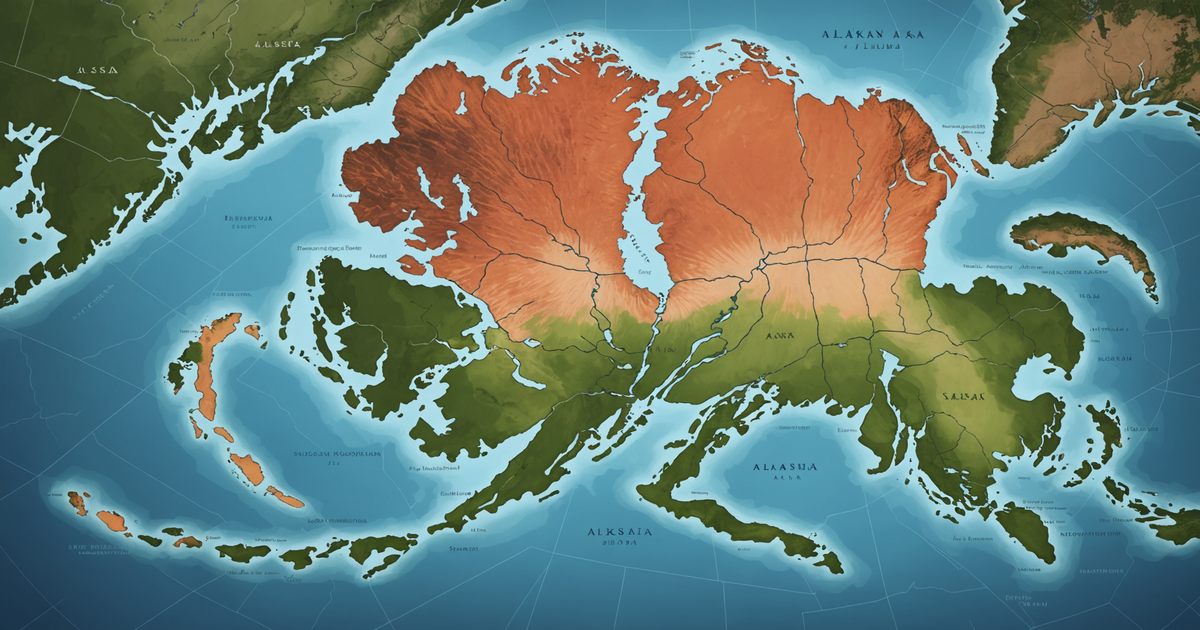
Introduction
Planning a fishing trip to Alaska is an exciting endeavour, especially if you’re keen on catching salmon. With its vast wilderness and pristine waters, Alaska is a prime destination for anglers. However, understanding when salmon season in Alaska occurs is crucial to planning a successful trip. This guide will provide you with comprehensive information on Alaska’s salmon season, helping you plan your adventure from Anchorage to the state’s picturesque fishing spots. For more detail, see official guidance.
Understanding Salmon Season in Alaska
Alaska is home to five species of Pacific salmon: Chinook (King), Sockeye (Red), Coho (Silver), Pink (Humpy), and Chum (Dog). Each species has its own peak season, which varies across different regions of Alaska. Here’s a breakdown of the general salmon seasons:. For more detail, see further information.
King Salmon Season. For more detail, see detailed advice.
King Salmon, also known as Chinook, are the largest of the salmon species and a prized catch for anglers. The King Salmon season typically begins in May and runs through July, with some regions offering extended opportunities into August. The Kenai Peninsula is a renowned location for King Salmon fishing, offering abundant catches during peak months. You can explore more about fishing opportunities on the Kenai Peninsula. For more detail, see planning resources.
Sockeye Salmon Season. For more detail, see local insights.
Sockeye Salmon are known for their vibrant red colour and delicious taste. The Sockeye season generally spans from mid-June to early August. Bristol Bay is particularly famous for its Sockeye runs, attracting anglers from around the globe. For more on how to maximise your catch, check out the top salmon flashers used in Alaska.
Coho Salmon Season
Coho Salmon, noted for their fighting spirit, are typically caught from mid-July to October. The peak time for Coho fishing is August and September, making it ideal for late summer trips. The waters around Anchorage and the Kenai River are excellent spots for Coho fishing.
Pink and Chum Salmon Seasons
Pink Salmon, the smallest species, are abundant in even-numbered years, with a season spanning from mid-July to late August. Chum Salmon, on the other hand, can be caught from mid-July to September. Both species provide exciting opportunities for novice and experienced anglers alike.
Planning Your Salmon Fishing Trip
When planning your trip to Alaska, consider the following elements to ensure a smooth and enjoyable experience.
Choosing the Right Time
Timing is everything when it comes to salmon fishing. As the seasons vary by species and region, you’ll need to decide which type of salmon you’re most interested in catching. Once you’ve chosen, align your travel plans to coincide with the peak season of that species.
Booking Guided Tours
While it’s possible to fish independently, guided tours can enhance your experience by offering local expertise and access to prime fishing spots. Companies like Alaska Adventure Guides provide customised tours tailored to your preferences.
Preparing Your Gear
Ensure you have the appropriate fishing gear for your trip. This includes rods, reels, and tackle suited to the salmon species you’ll be targeting. Check out the best fishing gear recommendations to make an informed choice.
Understanding Regulations
Familiarise yourself with the fishing regulations in Alaska to ensure compliance. Regulations can include limits on catch size, bait restrictions, and specific rules for different fishing regions.
Exploring Anchorage
Anchorage serves as an excellent base for your fishing adventure. With its proximity to numerous fishing spots and a variety of recreational activities such as dog sledding tours, Anchorage offers more than just fishing.
Conclusion
Understanding when salmon season occurs in Alaska is essential for planning a successful fishing trip. Each salmon species has its peak season, and aligning your trip with these times will maximise your chances of a rewarding experience. From the Kenai Peninsula’s famed King Salmon runs to the vibrant Sockeye of Bristol Bay, Alaska offers unparalleled opportunities for anglers. By preparing adequately and understanding regulations, your Alaskan salmon fishing adventure is bound to be memorable.
FAQ
When is the best time to fish for King Salmon in Alaska?
The best time for King Salmon, also known as Chinook, is typically from May through July, with some areas extending into August.
What should I pack for a salmon fishing trip to Alaska?
Pack weather-appropriate clothing, waterproof gear, rods, reels, tackle, and a camera. Don’t forget your fishing license and any personal essentials.
Are guided fishing tours recommended in Alaska?
Yes, guided tours provide expert local knowledge, access to prime fishing locations, and often include necessary equipment, enhancing your overall experience.
How do I obtain a fishing license in Alaska?
Fishing licenses can be purchased online through the Alaska Department of Fish and Game or at local retailers in Alaska.
Can I fish for multiple species of salmon on the same trip?
Yes, depending on the timing and location, it is possible to catch multiple salmon species during a single trip.
What are the fishing regulations in Alaska?
Fishing regulations in Alaska vary by region and species. It’s important to consult the current regulations to ensure compliance.
Where can I find more information on planning a fishing trip to Alaska?
Visit Travel Alaska for comprehensive advice on planning your fishing trip.