
Introduction
Salmon fishing in Alaska is a dream for many anglers worldwide. The vast, untouched wilderness, combined with the thrill of catching one of the most sought-after fish species, makes for an unforgettable experience. However, planning the perfect trip requires understanding the salmon fishing seasons in Alaska. This guide will help you determine when is salmon fishing season in Alaska and provide essential information to plan your adventure meticulously. For more detail, see official guidance.
Understanding Salmon Species and Their Seasons
Alaska is home to five primary salmon species: Chinook (King), Coho (Silver), Sockeye (Red), Pink (Humpy), and Chum (Dog). Each species has its peak season, influencing when and where you should plan your trip. For more detail, see further information.
Chinook (King) Salmon. For more detail, see detailed advice.
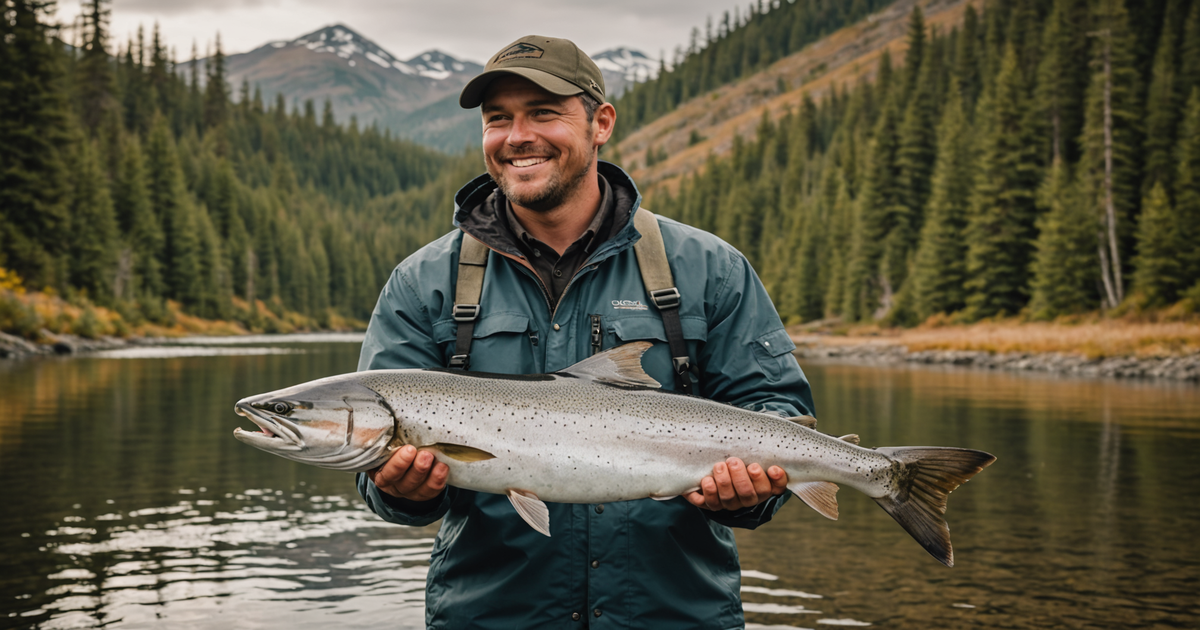
Chinook salmon, the largest of the five species, are highly prized for their size and flavour. The fishing season for Chinook typically begins in May and can extend through July, with June being the peak month. Popular fishing spots include the Kenai River and the Situk River, renowned for their abundant Chinook populations. For more detail, see planning resources.
Coho (Silver) Salmon. For more detail, see local insights.
Coho salmon are known for their aggressive behaviour, making them a favourite among sport fishers. The Coho season generally spans from July to September, with August being particularly busy. Prince William Sound and Resurrection Bay are excellent locations to target Coho salmon.
Sockeye (Red) Salmon
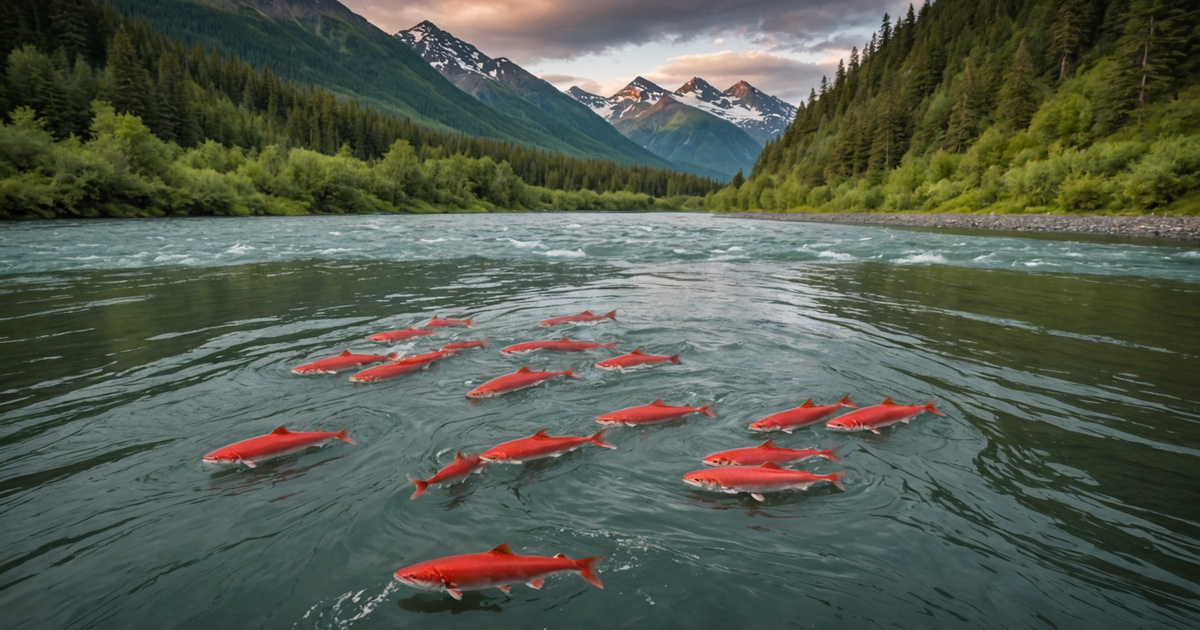
Sockeye salmon are a crucial part of Alaska’s fishing industry due to their abundance and economic value. The best time to fish for Sockeye is from mid-June to late July. Rivers such as the Kvichak and Kenai are popular choices for anglers seeking Sockeye.
Pink (Humpy) Salmon
Pink salmon have a distinct two-year life cycle, with strong runs occurring in even-numbered years. The season for Pink salmon runs from mid-July to late August. Streams and rivers in Southeast Alaska are typically flooded with Pink salmon during these months.
Chum (Dog) Salmon
Chum salmon, though not as popular as their counterparts, are known for their resilience and size. The Chum salmon season runs from mid-June to mid-August. Anglers can find them in rivers like the Yukon and the Kuskokwim.
Planning Your Salmon Fishing Trip
When planning your salmon fishing trip to Alaska, consider the following elements to ensure a successful and enjoyable experience.
Choosing the Right Location
Alaska’s vastness offers a multitude of fishing locations, each with its unique charm and challenges. The Historic Chulitna River Lodge Tours provide an immersive experience, combining excellent fishing with breathtaking scenery.
Understanding Regulations
Fishing regulations in Alaska can be complex due to the need to manage fish populations sustainably. It’s essential to familiarise yourself with the current fishing regulations to ensure compliance and preserve this precious resource for future generations.
Selecting the Right Gear
The right gear can make or break your fishing trip. Using effective salmon flashers and hooks can significantly increase your chances of success. Additionally, consider the best plug fishing lures for targeting large salmon.
Booking Guided Tours
For those new to Alaskan fishing or seeking expert guidance, booking a guided fishing tour is highly recommended. Experienced guides can provide insider tips and ensure you have the best possible fishing experience.
Timing Your Visit
The timing of your trip is critical. Align your visit with the peak season of your desired salmon species to maximise your fishing success. Use resources like Travel Alaska to plan your fishing adventure effectively.
Conclusion
Understanding when is salmon fishing season in Alaska is crucial for planning a successful fishing trip. By aligning your visit with the peak seasons of your desired salmon species, choosing the right location, and preparing adequately, you can ensure a memorable Alaskan adventure. Whether you’re a seasoned angler or a novice looking to experience the thrill of salmon fishing, Alaska offers unparalleled opportunities to connect with nature and enjoy world-class fishing.
FAQ
When does salmon fishing season start in Alaska?
Salmon fishing season in Alaska generally begins in May and can run through September, depending on the species. Chinook salmon season starts in May, while Coho, Sockeye, Pink, and Chum seasons vary, typically peaking in June and July.
What is the best month for salmon fishing in Alaska?
June and July are considered the best months for salmon fishing in Alaska, as multiple salmon species are in peak season during this time.
Do I need a fishing license in Alaska?
Yes, a fishing license is required to fish in Alaska. You can purchase a license online through the Alaska Department of Fish and Game.
What kind of gear do I need for salmon fishing in Alaska?
Essential gear for salmon fishing includes a robust fishing rod, reliable reels, effective lures, and appropriate lines. Equipment like salmon flashers and hooks are also recommended.
Are there guided salmon fishing tours available in Alaska?
Yes, there are numerous guided salmon fishing tours available across Alaska, providing expert guidance and ensuring you have a productive fishing experience.
Can I fish for salmon year-round in Alaska?
While some fishing opportunities exist year-round, salmon fishing is generally seasonal, with peak times from May to September depending on the species.
What are the main salmon species found in Alaska?
The main salmon species in Alaska include Chinook (King), Coho (Silver), Sockeye (Red), Pink (Humpy), and Chum (Dog) salmon.
How can I ensure my fishing trip is environmentally responsible?
Follow local regulations, practice catch and release where appropriate, and minimise your environmental footprint to ensure a sustainable fishing experience. Visit Leave No Trace for guidelines on responsible outdoor practices.