
Wild Alaskan Sockeye Salmon Fillets Guide. For more detail, see official guidance.
Introduction
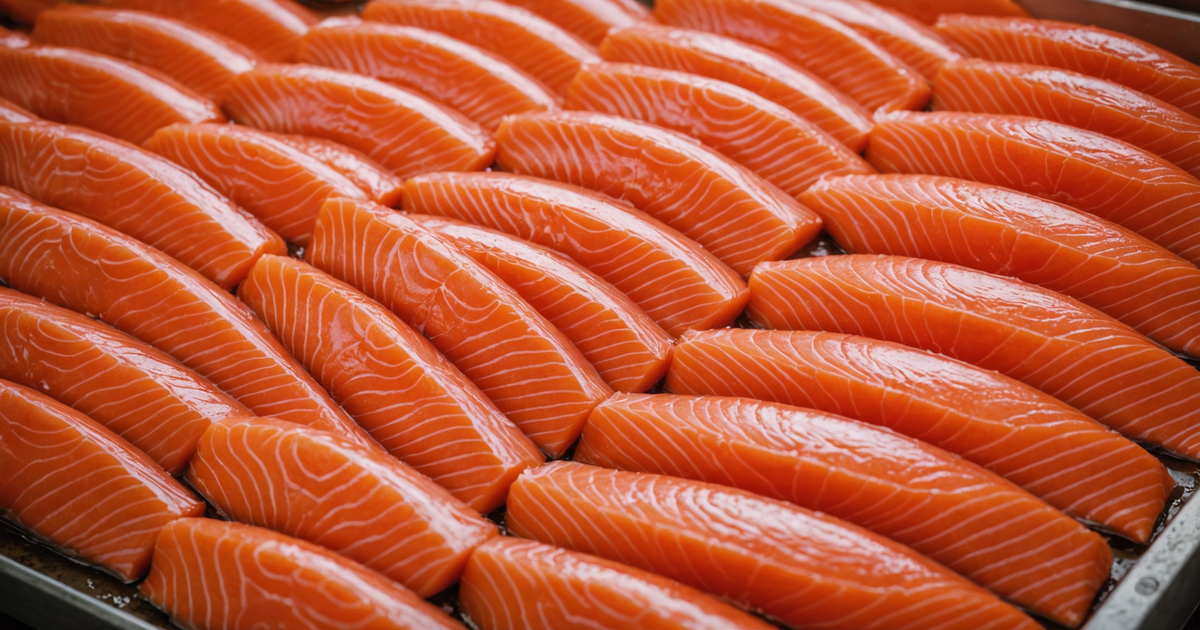
Wild Alaskan sockeye salmon fillets are a delicacy cherished by seafood lovers around the globe. Known for their vibrant red colour and rich flavour, these fillets are sourced from the pristine waters of Alaska, offering both culinary delight and nutritional benefits. This comprehensive guide will delve into the fascinating journey of these fillets, from the northwest fish sourcing techniques to the preparation methods that bring out their best qualities. Whether you’re a seasoned chef or a home cook, understanding the nuances of wild Alaskan sockeye salmon fillets will enhance your culinary repertoire. For more detail, see further information.
Sourcing Wild Alaskan Sockeye Salmon Fillets
The journey of wild Alaskan sockeye salmon begins in the icy waters of Alaska, a region renowned for its sustainable fishing practices. The Alaska Department of Fish and Game (ADFG) regulates these practices to ensure the preservation of salmon populations and their ecosystems. The sockeye salmon are primarily harvested during the summer months, when they return to freshwater streams for spawning. This seasonal abundance allows for a sustainable harvest that supports both local communities and the environment. For more detail, see detailed advice.
For those interested in the intricacies of fishing practices in Alaska, you might consider exploring float fishing rigs for clear water or learning about fishing techniques that are effective in these waters. For more detail, see planning resources.
Selecting the Best Sockeye Salmon Fillets
When selecting wild Alaskan sockeye salmon fillets, there are a few key factors to consider. Freshness is paramount; look for fillets that are firm to the touch with a bright, translucent red colour. The skin should be shiny, and the flesh should not have a fishy odour. If purchasing frozen fillets, ensure they are well-sealed and free from frost buildup. For more detail, see local insights.
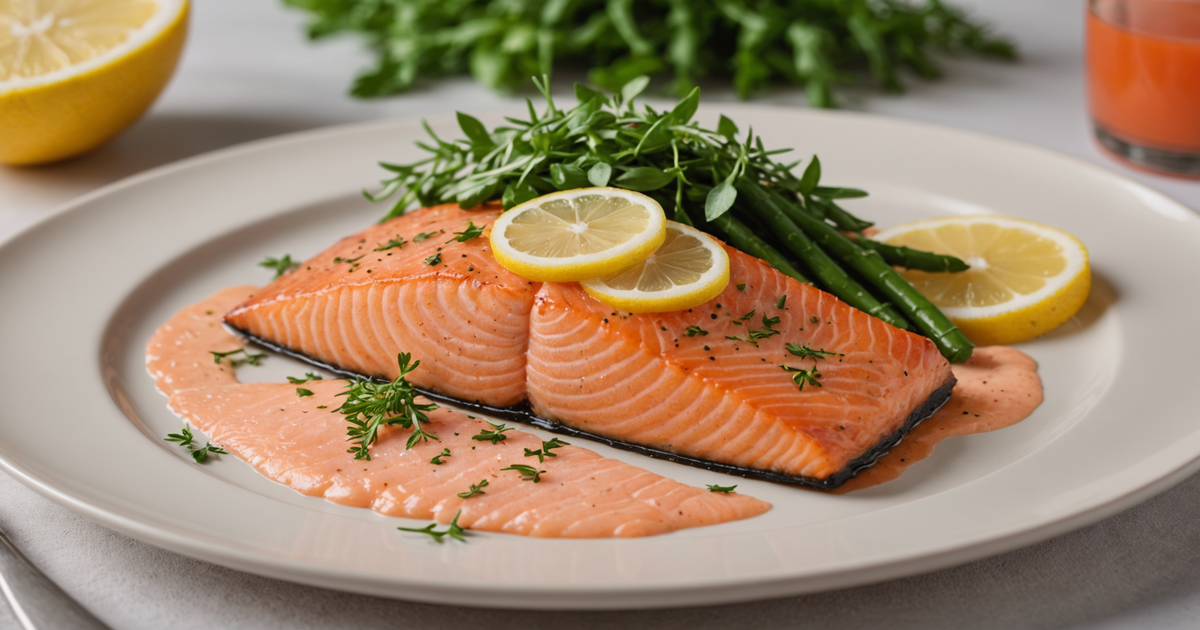
It’s also beneficial to understand the labelling on the packaging. Look for certifications such as the Marine Stewardship Council (MSC) label, which indicates sustainably sourced fish. Additionally, many local Alaskan fisheries offer direct purchasing options, ensuring the freshest catch reaches your table.
Preparing Wild Alaskan Sockeye Salmon Fillets
Preparation methods for sockeye salmon can vary widely, each offering a unique taste experience. The dense and flavourful flesh of sockeye salmon makes it versatile for various cooking techniques, from grilling and baking to poaching and smoking.
Grilled Sockeye Salmon
Grilling is an excellent method to enhance the natural flavours of sockeye salmon. Begin by marinating the fillets in a mixture of olive oil, lemon juice, garlic, and herbs. Preheat the grill to medium-high heat and cook the fillets skin-side down for about 6-8 minutes, flipping halfway through. The result is a perfectly charred exterior with a moist, flaky interior.
Baked Sockeye Salmon
For a simpler preparation, baking sockeye salmon is an easy and healthy option. Preheat your oven to 180°C (350°F). Place the fillets in a baking dish, drizzle with olive oil, and season with salt, pepper, and fresh dill. Bake for 12-15 minutes until the salmon is opaque and flakes easily with a fork.
Other Cooking Techniques
For those looking to expand their skills, consider trying plug fishing lures that “hammer big fish,” which can provide insights into the best techniques to catch these magnificent fish. Additionally, exploring Brad’s Super Baits can offer further understanding of the baiting methods that enhance the flavour of the catch.
Nutritional Benefits of Wild Alaskan Sockeye Salmon
Sockeye salmon is not only delicious but also packed with nutrients. It is an excellent source of high-quality protein, omega-3 fatty acids, and essential vitamins such as B12, D, and selenium. The omega-3 fatty acids are particularly beneficial for heart health, reducing inflammation, and supporting brain function.
Consuming wild-caught salmon, such as those sourced from Alaska, offers a higher nutrient profile compared to farmed salmon, making it a superior choice for health-conscious individuals.
Conclusion
Wild Alaskan sockeye salmon fillets are a testament to the rich natural resources and sustainable practices of the Alaskan fisheries. From their careful sourcing to the myriad of preparation techniques, these fillets provide a culinary experience that is both flavourful and nutritious. Whether you’re indulging in a grilled salmon dish or a delicately baked fillet, the taste of wild Alaskan sockeye salmon is unmatched.
For those keen on exploring Alaska and its natural wonders, consider planning an adventure with Alaska Adventure Guides to fully immerse yourself in the beauty and bounty of this remarkable region.
FAQ
What makes wild Alaskan sockeye salmon different from other types of salmon?
Wild Alaskan sockeye salmon is distinct for its deep red flesh, rich flavour, and high omega-3 content. It is sustainably sourced from the pristine waters of Alaska, offering a healthier and environmentally friendly option compared to farmed salmon.
How can I be sure that the salmon I buy is sustainably sourced?
Look for the Marine Stewardship Council (MSC) certification on the packaging, which indicates that the fish has been sustainably sourced. Purchasing directly from Alaskan fisheries can also ensure the salmon is sustainably harvested.
What are some popular recipes for sockeye salmon?
Popular recipes include grilled sockeye salmon with lemon and herbs, baked salmon with dill, and smoked salmon on bagels. Each method highlights the fish’s natural flavour and texture.
How should I store sockeye salmon fillets?
Fresh sockeye salmon fillets should be refrigerated and consumed within two days of purchase. If freezing, ensure they are tightly wrapped to prevent freezer burn and consume within three months for optimal freshness.
Are there any health benefits to eating sockeye salmon?
Yes, sockeye salmon is rich in omega-3 fatty acids, which support heart health, reduce inflammation, and promote brain function. It is also a great source of protein, vitamins, and minerals.
What is the best time of year to purchase wild Alaskan sockeye salmon?
The best time to purchase wild Alaskan sockeye salmon is during the summer months when the fish are in season. This is when they are most abundant and offer the best flavour and nutritional value.
Can I catch my own sockeye salmon in Alaska?
Yes, fishing for sockeye salmon in Alaska is a popular activity. It’s essential to check the fishing regulations and obtain the necessary permits before embarking on a fishing trip. Consider reviewing fishing trips and guides for a successful adventure.
What are some other outdoor activities to enjoy in Alaska?
Alaska offers a multitude of outdoor activities, including trout and grayling fishing, hiking, and exploring the stunning landscapes of southern glaciers. For a unique experience, consider joining a Matanuska Glacier excursion.