
5 Salmon Species in Alaska | Guided Trips. For more detail, see official guidance.
Introduction
Alaska is renowned for its pristine wilderness, vibrant wildlife, and unparalleled fishing opportunities. Among its many natural wonders, salmon fishing stands out as a quintessential Alaskan experience. The state is home to five distinct species of salmon, each offering unique characteristics and challenges for anglers. This comprehensive guide will explore these five species of salmon in Alaska, offering insights into their habitats, life cycles, and the best times and methods to catch them. For enthusiasts keen on experiencing the thrill of salmon fishing firsthand, we’ll also delve into guided trip options that ensure a rewarding adventure. For more detail, see further information.
Chinook (King) Salmon
The Chinook salmon, often referred to as the King salmon, is the largest of the five species. Known for their impressive size, with some individuals weighing over 100 pounds, they are a prized catch among anglers. Chinook salmon inhabit both coastal and riverine environments, with their spawning season typically occurring from May through July. For more detail, see detailed advice.
Fishing for Chinook requires patience and skill, as these fish are known for their strength and fighting spirit. Anglers frequently use techniques such as trolling with large lures or drift fishing with roe. For those new to the sport, considering a guided salmon fishing trip in Alaska can provide valuable expertise and increase the chances of a successful catch. For more detail, see planning resources.
Sockeye (Red) Salmon
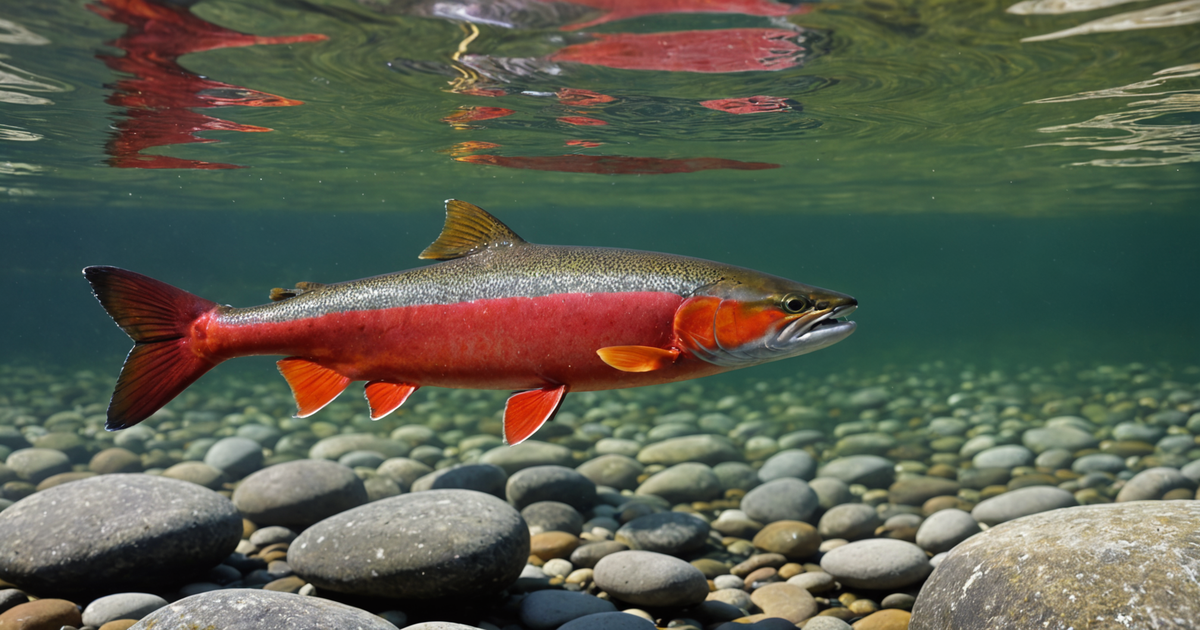
Sockeye salmon, or Red salmon, are celebrated for their vibrant red flesh, which makes them highly sought after in culinary circles. These salmon are smaller than Chinook, usually weighing between 5 to 15 pounds, but they make up for their size with their abundance and flavour. For more detail, see local insights.
Sockeye primarily spawn in lakes and migrate to rivers during the summer months, particularly from June to August. Fly fishing is a popular method for catching Sockeye, especially in clear water conditions. Anglers looking to hone their techniques might find it beneficial to explore top salmon flashers for more strikes, which can make a significant difference in catch rates.
Coho (Silver) Salmon
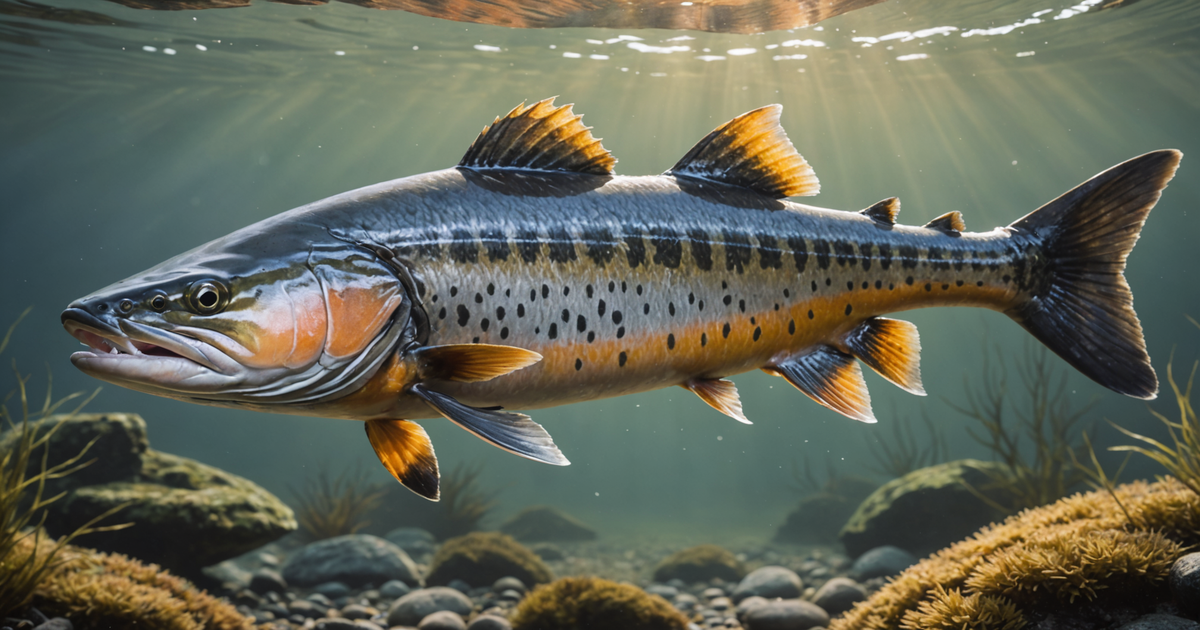
Coho salmon, commonly known as Silver salmon, are renowned for their acrobatics and vigorous fights when hooked. They typically weigh between 8 to 12 pounds and are found in coastal waters and rivers from July to October.
Fishing for Coho can be an exhilarating experience, with anglers often using spinners, spoons, and fly fishing techniques. The best times to catch Coho are during overcast days or early morning, when they are more likely to be active. For those planning a trip, exploring Alaska’s fishing charters can provide access to prime fishing locations and equipment.
Pink (Humpy) Salmon
Pink salmon, or Humpy salmon, are the smallest of the five species, averaging around 3 to 5 pounds. Despite their size, they are the most abundant salmon species in Alaska. Known for their distinctive humpback appearance during spawning, they provide excellent fishing opportunities, especially for beginners.
Pink salmon run every two years, with peak seasons in odd-numbered years. They are most commonly caught using lightweight tackle and small lures. For those interested in do-it-yourself fishing trips, the DIY fishing guides can offer essential tips and tricks for a successful outing.
Chum (Dog) Salmon
Chum salmon, also known as Dog salmon, are valued for their roe and are particularly popular in the commercial fishing industry. They typically weigh between 7 to 18 pounds and are known for their distinctive calico pattern during spawning.
Chum salmon can be found in streams and rivers from June to September. Anglers often use fly fishing techniques to catch Chum, with the best success during the early morning hours. To enhance your fishing experience, consider learning more about Alaskan salmon candy, a local delicacy made from this species.
Planning Your Salmon Fishing Trip
Alaska offers an array of options for both novice and experienced anglers. For those planning a fishing adventure, understanding the local regulations is crucial. The Alaska Department of Fish and Game provides comprehensive resources on fishing regulations, ensuring sustainable practices and preserving fish populations for future generations.
When considering a guided trip, it is essential to choose a reputable provider. Many Alaskan adventure guides offer tailored experiences, from half-day excursions to multi-day wilderness adventures. These guided trips provide not only the expertise needed for a successful fishing expedition but also insights into the local ecology and culture.
Conclusion
Embarking on a salmon fishing trip in Alaska is more than just a sport; it’s a journey into the heart of nature’s bounty. Whether pursuing the formidable Chinook or the abundant Pink salmon, each species offers a unique challenge and reward. By understanding the characteristics and habits of these five salmon species, anglers can enhance their fishing experience and create lasting memories in Alaska’s stunning landscapes. For those ready to take the plunge, booking a guided fishing trip ensures a safe, educational, and enjoyable adventure.
FAQ
1. What are the best months for salmon fishing in Alaska?
The peak season for salmon fishing in Alaska varies by species but generally runs from May through September. During this time, most species are migrating, providing optimal fishing opportunities.
2. Do I need a fishing licence to fish for salmon in Alaska?
Yes, a fishing licence is required for all anglers in Alaska. Licences can be purchased online through the Alaska Department of Fish and Game.
3. What is the best method for catching King salmon?
Trolling with large lures or drift fishing with roe are popular methods for catching King salmon due to their size and strength.
4. Can I go salmon fishing on my own, or do I need a guide?
While many anglers choose to fish independently, hiring a fishing guide can significantly enhance your chances of success, especially if you are unfamiliar with the local waters and techniques.
5. Are there any restrictions on the number of salmon I can catch?
Yes, there are bag limits and size restrictions that vary by species and location. It is important to check the current regulations on the Alaska Department of Fish and Game website before your trip.
6. What type of gear should I bring for salmon fishing?
The type of gear depends on the species you are targeting and the fishing method. Generally, a medium to heavy rod, suitable line, and appropriate lures or flies are recommended.
7. Where can I find the best guided fishing trips in Alaska?
Alaska offers numerous options for guided fishing trips. Consider checking out Alaska Adventure Guides for a variety of tailored fishing experiences suited to different skill levels.
8. Can I keep the salmon I catch?
Yes, you can keep the salmon you catch, provided it adheres to the local regulations regarding size and bag limits. It’s important to follow conservation practices to ensure the sustainability of fish populations.