
Introduction
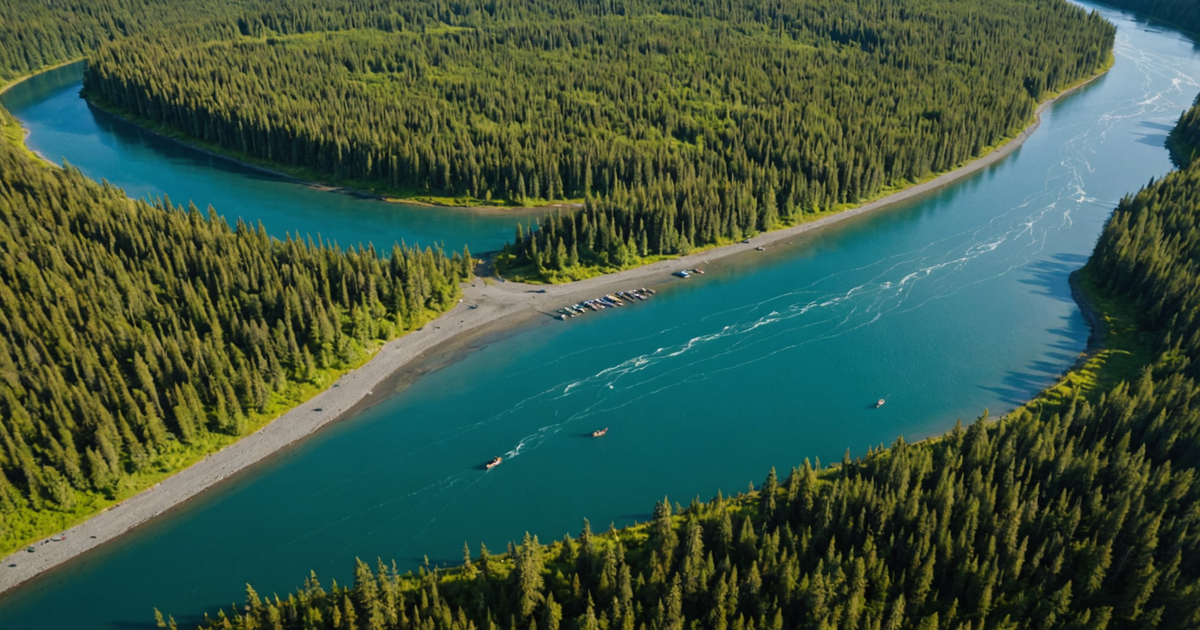
Alaska, known for its breathtaking landscapes and abundant wildlife, is a premier destination for fishing enthusiasts. Among its many natural treasures, the sockeye salmon stands out, attracting anglers from around the globe. With its vibrant red hue and rich flavour, sockeye salmon is a prized catch. Understanding the timing and location of the sockeye salmon season in Alaska is crucial for anyone looking to experience this extraordinary fishing adventure. This guide provides comprehensive insights into when the sockeye salmon season peaks and which rivers offer the strongest runs. For more detail, see official guidance.
The Sockeye Salmon Lifecycle
Sockeye salmon, also known as red salmon, are renowned for their unique lifecycle. Born in freshwater rivers and lakes, they migrate to the ocean where they mature and spend most of their lives. After two to three years, they return to their natal waters to spawn, completing a remarkable journey of up to 1,000 miles. This migratory behaviour is crucial in understanding when and where to fish for them. For more detail, see further information.
Timing and Duration of the Sockeye Salmon Season
The sockeye salmon season in Alaska generally spans from mid-June to early August, although this can vary depending on specific locations and environmental conditions. The peak of the season usually occurs in July, when the largest numbers of salmon return to spawn. For precise timing, anglers should consult the Alaska Department of Fish and Game for updates on run forecasts and fish counts. For more detail, see detailed advice.
Prime Locations for Sockeye Salmon Fishing
Bristol Bay. For more detail, see planning resources.
Bristol Bay is arguably the most celebrated destination for sockeye salmon fishing. It hosts the largest sockeye salmon run globally, with millions of fish returning each year. The rivers feeding into Bristol Bay, such as the Kvichak and Naknek, are particularly renowned for their abundant salmon runs. For more detail, see local insights.
Kenai River
The Kenai River is another top location for sockeye salmon fishing. Known for its stunning scenery and accessibility, it offers excellent opportunities for both novice and experienced anglers. The Kenai National Wildlife Refuge provides a beautiful backdrop for a day on the river.
Copper River
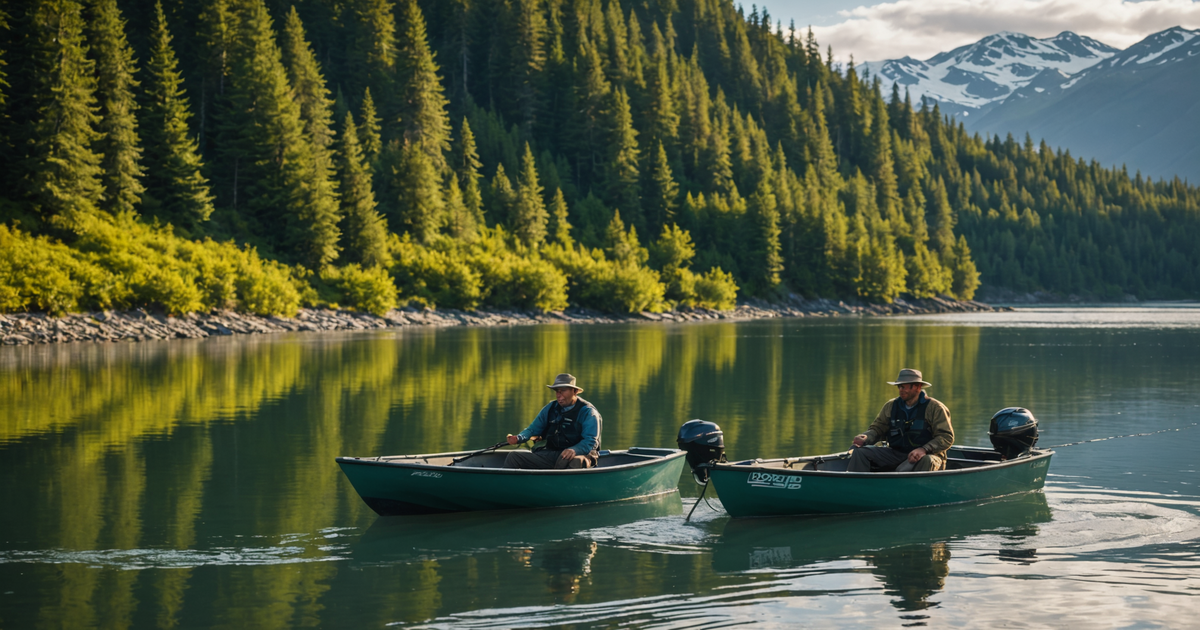
The Copper River is famous not only for its strong sockeye salmon runs but also for the high quality of its fish. The salmon here are known for their rich flavour, making them highly sought after in culinary circles. The river’s challenging conditions require skill and patience, rewarding those who master its waters.
Techniques for Successful Sockeye Salmon Fishing
Fishing for sockeye salmon requires specific techniques tailored to their behaviour and the river conditions. Popular methods include drift fishing and fly fishing. Using the right equipment, such as high-spin salmon spinners, can significantly improve your chances of success. For more detailed advice on gear, check out our guide on high-spin salmon spinners that get bit.
Conservation and Regulations
Conservation is paramount to maintaining healthy sockeye salmon populations. Anglers must adhere to local regulations and practice sustainable fishing methods. The Alaska Department of Fish and Game provides comprehensive guidelines on fishing limits and techniques to ensure the longevity of this precious resource.
Planning Your Fishing Trip
When planning a trip to fish for sockeye salmon, consider factors such as timing, location, and local regulations. Engaging a local fishing guide can enhance your experience, providing valuable insights and ensuring adherence to all legal requirements. For those interested in a broader fishing adventure, explore our travel guides for more information on planning a successful trip.
Conclusion
Fishing for sockeye salmon in Alaska is not just about the thrill of the catch; it’s about experiencing the pristine wilderness and connecting with one of nature’s most awe-inspiring migrations. By understanding the timing and locations of sockeye salmon runs, and by practising sustainable fishing, anglers can enjoy an unforgettable adventure in the heart of Alaska.
FAQ
1. When is the best time to fish for sockeye salmon in Alaska?
The peak season for sockeye salmon fishing in Alaska is typically in July. However, it can vary slightly based on location and environmental factors.
2. What permits are required for sockeye salmon fishing in Alaska?
Anglers must obtain a sport fishing licence from the Alaska Department of Fish and Game before fishing for sockeye salmon.
3. What are the best rivers for sockeye salmon fishing in Alaska?
The Bristol Bay region, Kenai River, and Copper River are among the top choices for sockeye salmon fishing due to their strong runs and accessibility.
4. What fishing techniques are effective for sockeye salmon?
Drift fishing and fly fishing are commonly used techniques. Using appropriate gear, such as salmon spinners, can enhance success rates.
5. How can I learn more about fishing gear for sockeye salmon?
Visit our angling tips section for expert advice on choosing the right fishing gear for sockeye salmon.
6. Are there any conservation concerns for sockeye salmon in Alaska?
Yes, conservation is crucial to maintaining healthy salmon populations. Anglers should follow all local regulations and practice catch-and-release when possible.
7. Can I hire a guide for salmon fishing in Alaska?
Yes, hiring a local fishing guide is highly recommended for the best experience and to ensure compliance with local regulations. Check out our fishing guides for more information.
8. What other activities can I enjoy while in Alaska?
Alaska offers a wide range of outdoor activities, from dog sledding tours to exploring the Matanuska Glacier. There’s something for everyone in this diverse and beautiful state.