
Introduction
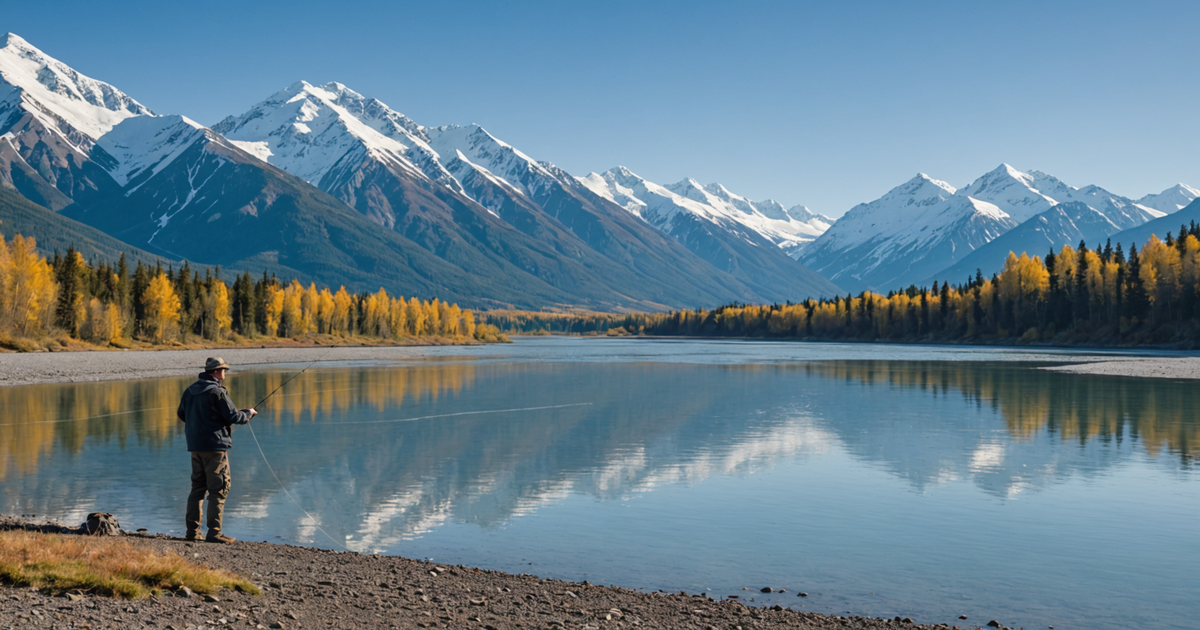
Alaska, renowned for its wild landscapes and abundant wildlife, is a prime destination for anglers worldwide. Among the state’s most sought-after fish is the sockeye salmon, celebrated for its vibrant colour and rich flavour. Timing your visit to coincide with the sockeye season in Alaska can make for an unforgettable fishing experience. This blog post delves into when and where the sockeye season peaks across Alaska’s major river systems, ensuring you have the best chance to land this prized catch. For more detail, see official guidance.
Understanding Sockeye Salmon
Sockeye salmon, also known as red salmon, are anadromous fish that migrate from the ocean to freshwater to spawn. They are famous for their red body and green head during spawning, making them a spectacular sight in Alaska’s rivers. The sockeye season is not only a crucial time for anglers but also for local wildlife that relies on this nutrient-rich fish for sustenance. For more detail, see further information.
When is Sockeye Season in Alaska?
The sockeye season in Alaska typically spans from mid-June to late July, although specific timing varies depending on the river system. Various factors, such as water temperature and river conditions, influence the exact timing of the sockeye run. Understanding these variables can help you plan your trip to maximise your chances of success. For more detail, see detailed advice.
Key Timing Considerations. For more detail, see planning resources.
-
Water Temperature: Sockeye salmon prefer cooler water temperatures, which can influence their migration patterns. Monitoring local weather conditions via NOAA can provide insights into expected run timings. For more detail, see local insights.
-
River Conditions: The volume and clarity of river water can impact sockeye movement. High water levels may delay runs, while clear, lower waters often herald the peak season.
-
Historical Data: Reviewing historical run data from resources like Alaska Department of Fish and Game can offer a reliable guide to planning your trip.
Where to Fish for Sockeye in Alaska
Alaska boasts numerous river systems that host robust sockeye salmon runs. Below are some of the most prominent locations to consider for your fishing adventure.
Kenai River
The Kenai River is perhaps the most famous sockeye salmon river in Alaska. Known for its large runs, the Kenai offers excellent fishing opportunities, especially in July when the second run peaks. The river is accessible and well-equipped with facilities for anglers of all experience levels.
Copper River
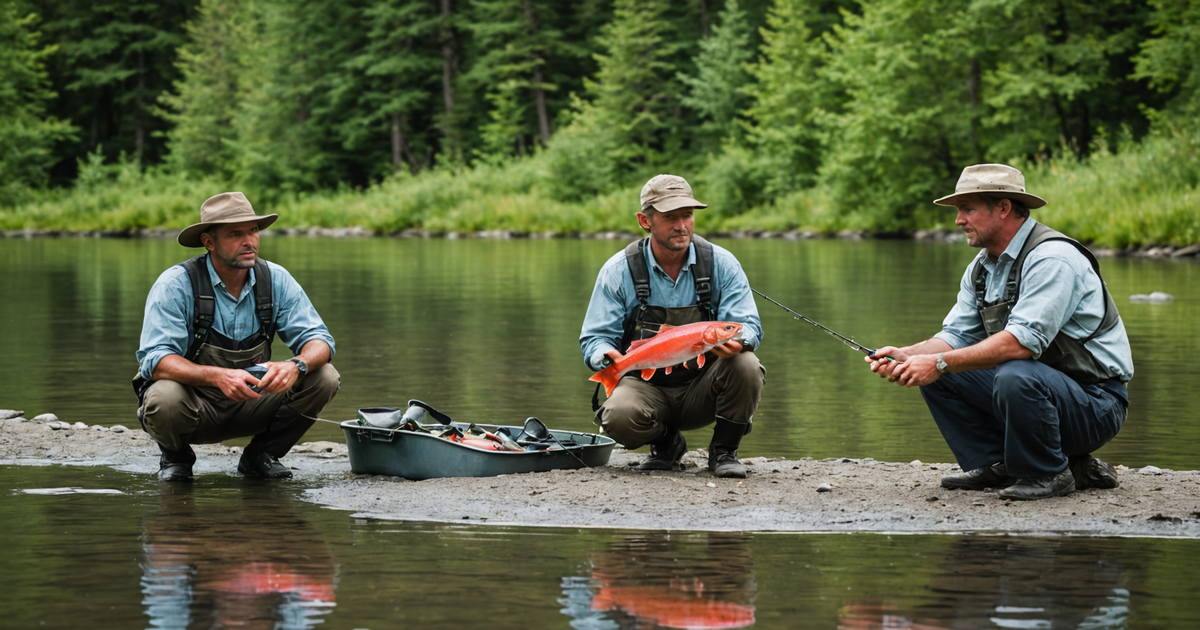
The Copper River is renowned for producing some of the finest sockeye salmon in the world. The season here usually kicks off in mid-May, offering an early start for eager anglers. The pristine environment and the quality of the fish make this a must-visit location.
Bristol Bay
Bristol Bay is home to one of the largest sockeye salmon runs globally. The region’s remote nature provides a more secluded experience, ideal for those seeking an escape from crowded fishing spots. The run typically peaks in late June to early July, with the Alaska Department of Fish and Game providing updates on run conditions and regulations.
Kasilof River
For a more tranquil fishing experience, the Kasilof River offers a quieter alternative to the bustling Kenai. It is an excellent spot for beginners and seasoned anglers alike, with a run that peaks around late June. For more details on fishing in this area, check out our Kasilof River Fishing Guide.
Preparing for Your Fishing Trip
Before embarking on your sockeye fishing adventure, it’s essential to prepare adequately. From acquiring the right gear to understanding local regulations, a well-prepared angler is more likely to enjoy a successful trip.
Gear Essentials
Having the right equipment can make all the difference. Consider using high-spin salmon spinners for better success rates. For more information on effective gear, explore our High Spin Salmon Spinners article.
Understanding Regulations
Alaska’s fishing regulations are in place to preserve the natural ecosystem and ensure sustainable fishing practices. Always check the latest rules and regulations through Alaska Department of Fish and Game before heading out.
Booking a Guide
Engaging a local fishing guide can significantly enhance your experience, providing insider knowledge and expertise. For those considering guided adventures, Alaska Adventure Guides offers a range of options tailored to different skill levels.
Conclusion
Sockeye salmon season in Alaska is a remarkable time, offering anglers the chance to engage with one of nature’s most spectacular migrations. By understanding when and where to fish, and preparing adequately, you can ensure a rewarding experience in the Last Frontier.
FAQ
What are the best months to fish for sockeye salmon in Alaska?
The prime months for sockeye salmon fishing in Alaska are June and July, although this can vary slightly depending on the specific river system.
Do I need a fishing licence to catch sockeye salmon in Alaska?
Yes, a fishing licence is required. You can obtain one through the Alaska Department of Fish and Game.
What is the daily bag limit for sockeye salmon?
The daily bag limit can vary based on the location and current regulations. It’s crucial to check the Alaska Department of Fish and Game regulations before your trip.
Are there guided fishing tours available for sockeye in Alaska?
Yes, there are numerous guided tours available. For more information, visit Alaska Adventure Guides.
Can I fish for sockeye salmon in other seasons?
Sockeye salmon are primarily caught during their spawning runs in summer. Other seasons may not offer the same opportunities.
What equipment is recommended for sockeye fishing?
A strong rod and reel with high-spin salmon spinners are recommended for sockeye fishing. More about equipment can be found in our High Spin Salmon Spinners article.
How can I ensure a sustainable fishing experience in Alaska?
Practising catch and release, adhering to bag limits, and following all local regulations contribute to a sustainable fishing experience. For more tips, visit Leave No Trace.