

Introduction
Alaskan salmon fish are more than just a delicacy; they are a vital component of Alaska’s ecosystem and cultural heritage. Known for their rich flavour and nutritional benefits, these fish thrive in the cold, pristine waters of Alaska, making the region one of the most sought-after destinations for fishing enthusiasts. In this comprehensive guide, we’ll explore what defines Alaskan salmon fish, their habitats, and their significance in Alaska’s world-class fishing seasons. For more detail, see official guidance.
The Five Species of Alaskan Salmon
Alaska is home to five species of salmon, each with unique characteristics and habitats. These are the Chinook, Sockeye, Coho, Pink, and Chum salmon. For more detail, see further information.
Chinook Salmon. For more detail, see detailed advice.
Also known as King Salmon, the Chinook is the largest of the species and highly prized for its taste and texture. They are typically found in larger rivers and coastal areas. Their fishing season peaks in late spring to early summer. For more detail, see planning resources.
Sockeye Salmon. For more detail, see local insights.
Sockeye salmon are known for their vibrant red flesh and rich flavour. They spawn in lakes and are most abundant in Bristol Bay. Sockeye fishing peaks in mid-summer and is a major economic activity in Alaska.
Coho Salmon
Often referred to as Silver Salmon, Coho are smaller but equally sought after. They offer a thrilling fishing experience due to their acrobatic jumps. Coho are most prevalent in late summer to early autumn.
Pink Salmon
Pink salmon, or Humpies, are the smallest and most abundant species. They are known for their mild flavour and are commonly used for canned products. Pink salmon runs occur in even-numbered years, making them a unique addition to the fishing calendar.
Chum Salmon
Chum salmon, also called Dog Salmon, are less popular for eating but are valued for their roe. They have a distinctive colour change during spawning, turning from silver to a mottled green. Chum are most active from late summer to fall.
The Habitat of Alaskan Salmon
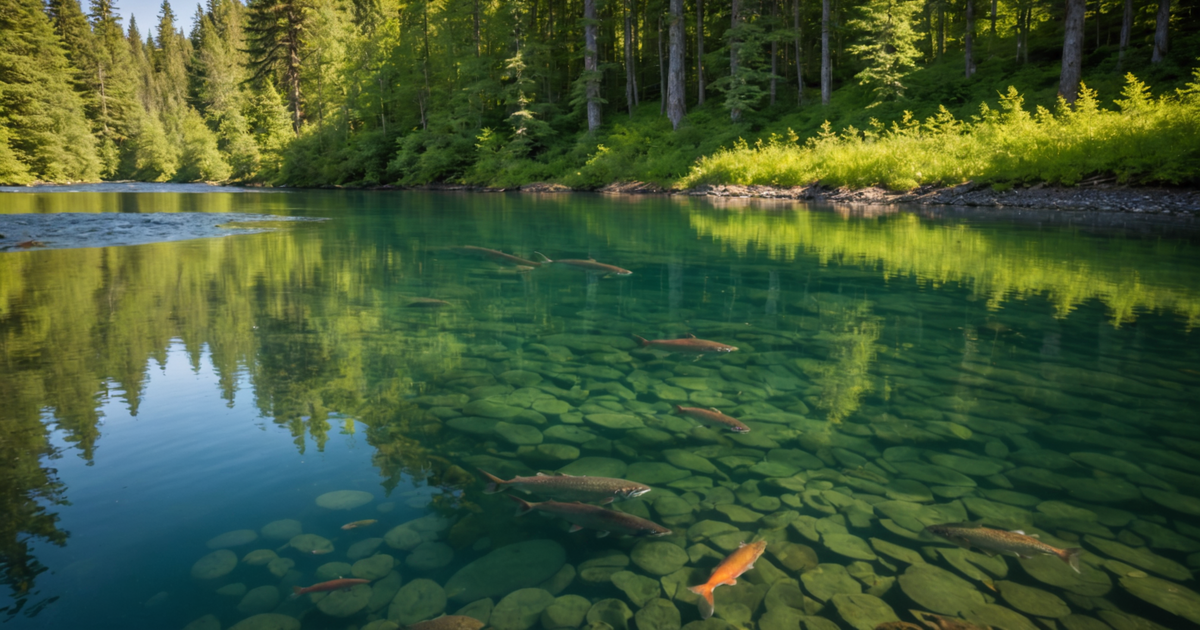
Alaskan salmon thrive in the cold, nutrient-rich waters of the Pacific Ocean and its tributaries. These fish are anadromous, meaning they are born in freshwater, migrate to the ocean, and return to freshwater to spawn. This life cycle is crucial for maintaining the ecosystem balance, as salmon carcasses provide essential nutrients to both aquatic and terrestrial environments.
Freshwater Streams and Rivers
The journey of Alaskan salmon begins in freshwater streams and rivers. These habitats are crucial for the early stages of salmon development, providing a safe environment for eggs to hatch and fry to grow.
Oceanic Migration
Once matured, salmon migrate to the ocean where they spend the majority of their lives. The rich marine environment allows them to grow and develop before returning to their natal streams to spawn.
Spawning Grounds
The return to freshwater is a critical phase in a salmon’s life cycle. It is during this time that they spawn and ensure the continuation of their species. The spawning process also plays a significant role in enriching the ecosystem, as decaying salmon provide nutrients to plants and animals.
Importance of Alaskan Salmon
Economic Contribution
Salmon fishing is a cornerstone of Alaska’s economy. According to the Alaska Department of Fish and Game, the salmon industry supports thousands of jobs and generates billions in revenue annually. The commercial, sport, and subsistence fisheries are all vital components of this industry.
Cultural Significance
For many indigenous communities in Alaska, salmon are more than just a food source. They hold cultural and spiritual significance, symbolising abundance and resilience. Traditional fishing methods are still practised today, preserving a rich cultural heritage passed down through generations.
Environmental Impact
Alaskan salmon are essential to the health of both aquatic and terrestrial ecosystems. Their life cycle helps distribute nutrients across different environments, supporting a diverse range of wildlife. Conservation efforts are crucial to maintaining healthy salmon populations and, by extension, the overall ecosystem.
Fishing Seasons and Regulations
The fishing seasons for Alaskan salmon vary depending on the species and location. The NOAA Fisheries provides comprehensive guidelines to ensure sustainable fishing practices. It’s essential for anglers to stay informed about season dates, catch limits, and licensing requirements to preserve this precious resource.
Planning Your Alaskan Salmon Fishing Trip
For those interested in experiencing the thrill of salmon fishing, Alaska offers unparalleled opportunities. From guided tours to DIY adventures, the options are plentiful. Sites like Travel Alaska offer valuable resources for planning a successful fishing trip, ensuring you have the best experience possible.
Conclusion
Alaskan salmon fish are a vital part of the state’s ecological, economic, and cultural fabric. Understanding the different species, their habitats, and their importance can enhance your appreciation for these majestic creatures. Whether you’re a seasoned angler or a curious traveller, Alaska’s salmon fishing offers an unforgettable adventure.
FAQ
1. What is the best time to fish for Alaskan salmon?
The best time varies by species, with Chinook fishing peaking in late spring, Sockeye in mid-summer, and Coho from late summer to early autumn. Check specific fishing regulations for accurate dates.
2. Do I need a special licence to fish for Alaskan salmon?
Yes, a fishing licence is required. You can obtain one from the Alaska Department of Fish and Game.
3. What gear should I bring for salmon fishing in Alaska?
Essential gear includes rods and reels suited for salmon, appropriate lures, and weather-appropriate clothing. For more on equipment, check out this guide on outdoor equipment.
4. Are there guided fishing tours available in Alaska?
Yes, guided tours are widely available and recommended for beginners. Companies like Alaska Adventure Guides offer comprehensive packages.
5. How does salmon fishing impact the Alaskan economy?
Salmon fishing is a major economic driver, supporting jobs and generating billions in revenue. It is crucial for both commercial and recreational sectors.
6. Can I eat the salmon I catch?
Yes, salmon caught during the fishing season can be consumed. Ensure you follow all local regulations regarding catch limits and consumption advisories.
7. What is the cultural significance of salmon to Alaska’s indigenous people?
Salmon hold profound cultural and spiritual significance, representing abundance and resilience. Traditional fishing practices continue to be an integral part of indigenous heritage.
8. Where can I find more information on Alaskan salmon fishing?
For more in-depth articles and tips, visit the Alaska Adventure Guides articles section.