
Introduction
The wild waters of Alaska present an enchanting allure for anglers, offering some of the best fishing experiences in the world. Among the prized catches in these pristine waters are the lake trout and salmon. Both species boast unique characteristics, offering distinct challenges and rewards for fishermen. This guide to “lake trout vs salmon” aims to unravel the differences between these two remarkable fish, assisting you in planning an unforgettable fishing trip in Alaska. For more detail, see official guidance.
Distinguishing Characteristics
Physical Appearance. For more detail, see further information.
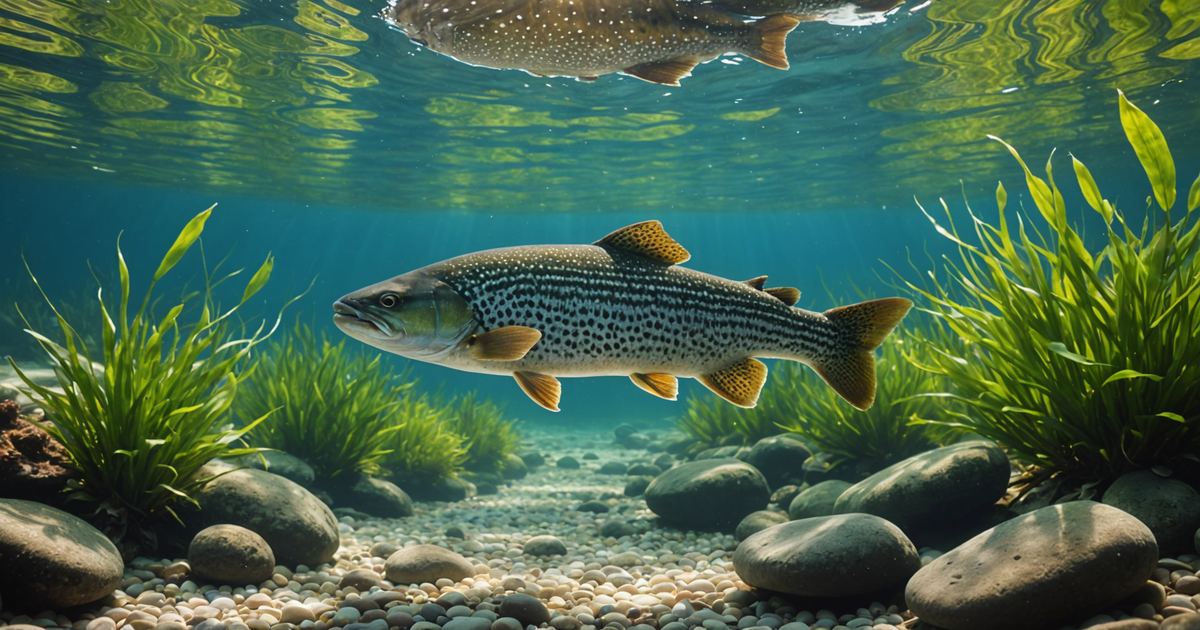
Lake trout and salmon differ significantly in appearance. Lake trout, a member of the char family, typically display a grey or olive-green body adorned with light spots. Their bodies are elongated, and they possess a deeply forked tail. For more detail, see detailed advice.
In contrast, salmon are generally more robust, with a range of colours depending on the species and maturity. For example, Chinook salmon, also known as king salmon, are distinguished by their black mouth and gums. Meanwhile, sockeye salmon showcase a brilliant red hue during spawning. For more detail, see planning resources.
Habitat Preferences. For more detail, see local insights.
Lake trout thrive in cold, deep freshwater lakes. They are predominantly found in the glacial lakes of Alaska, where they prefer the depths during the warm months and shallower waters in the cooler seasons.
Salmon, however, are anadromous. They are born in freshwater, migrate to the ocean, and return to freshwater to spawn. Alaska’s rivers, streams, and coastal waters are teeming with various salmon species, each with unique migration patterns.

Behaviour and Diet
Lake trout are solitary hunters. They primarily feed on smaller fish, insects, and crustaceans. Their preference for deep waters can make them elusive, challenging anglers to adapt their techniques accordingly.
Salmon exhibit a more diverse range of behaviours due to their life cycle. While in the ocean, they feed on plankton, insects, and smaller fish. Upon returning to freshwater to spawn, they cease feeding, which can make them more challenging to catch under traditional fishing methods.
Fishing Techniques
Fishing for lake trout requires patience and precision. Anglers often use trolling methods with lures or bait rigs that mimic small fish. Understanding the lake’s thermal structure can significantly increase your success rate, as lake trout are thermally sensitive.
For salmon, techniques vary with species and location. Fly fishing, trolling, and spinning are popular methods. One of the high-spin salmon spinners is particularly effective during the salmon runs in Alaska’s rivers.
Best Times and Locations
The best time to fish for lake trout in Alaska is during spring and autumn when they move to shallower waters. Notable locations include Lake Clark and Kenai Lake.
Salmon fishing peaks during the summer months, with each species having its run. For instance, the king salmon run typically occurs from late May to mid-July. The Kenai River is a renowned destination for salmon fishing, celebrated for its abundance and size of fish.
Conservation and Regulations
Fishing in Alaska is subject to strict regulations to ensure sustainable practices. The Alaska Department of Fish and Game oversees these regulations, which include limits on catch sizes and fishing seasons. Anglers are encouraged to familiarise themselves with these rules before embarking on their fishing trips.
Practising sustainable fishing methods helps preserve Alaska’s rich aquatic biodiversity for future generations. It’s essential for maintaining the balance and health of the ecosystems that support both lake trout and salmon.
Planning Your Alaska Fishing Trip
Planning an Alaskan fishing trip requires careful consideration of timing, location, and equipment. Resources like Travel Alaska provide valuable insights into the best practices for a successful adventure.
Engaging with local fishing guides can enhance your experience, offering expert knowledge and ensuring compliance with local regulations. These professionals can tailor trips to your preferences, whether you’re targeting lake trout or salmon.
For those interested in DIY fishing trips, understanding the local geography and obtaining the correct permits are crucial steps. Alaska’s vast wilderness can be both awe-inspiring and challenging, making preparation key to a successful outing.
Conclusion
Both lake trout and salmon offer unique challenges and rewards to anglers exploring Alaska’s waters. Understanding the distinctions between these species, from their habitats to the techniques used to catch them, is vital for a successful fishing adventure. Whether you prefer the solitude of lake trout fishing or the thrill of a salmon run, Alaska provides a fishing experience like no other.
FAQ
What are the main differences between lake trout and salmon?
Lake trout are freshwater fish found in cold lakes, while salmon are anadromous, migrating from freshwater to the ocean and back. They also differ in appearance, diet, and behaviour.
When is the best time to fish for lake trout in Alaska?
The best times are during spring and autumn when lake trout move to shallower waters, making them more accessible.
What are the prime locations for salmon fishing in Alaska?
The Kenai River is a popular destination, known for its abundant salmon populations and significant fish sizes.
Are there any regulations for fishing in Alaska?
Yes, the Alaska Department of Fish and Game provides comprehensive regulations to ensure sustainable fishing practices. It’s crucial to familiarise yourself with these rules before fishing.
What fishing techniques are effective for catching salmon?
Fly fishing, trolling, and spinning are common methods. Using specific lures like high-spin salmon spinners can improve your chances of success.
Can I go on a DIY fishing trip in Alaska?
Yes, but thorough preparation is necessary. Understanding local geography and regulations, as well as having the right equipment, is essential for a successful DIY fishing trip.
Why is sustainable fishing important in Alaska?
Sustainable fishing ensures the long-term health of fish populations and ecosystems, maintaining Alaska’s rich biodiversity for future generations.