
Introduction
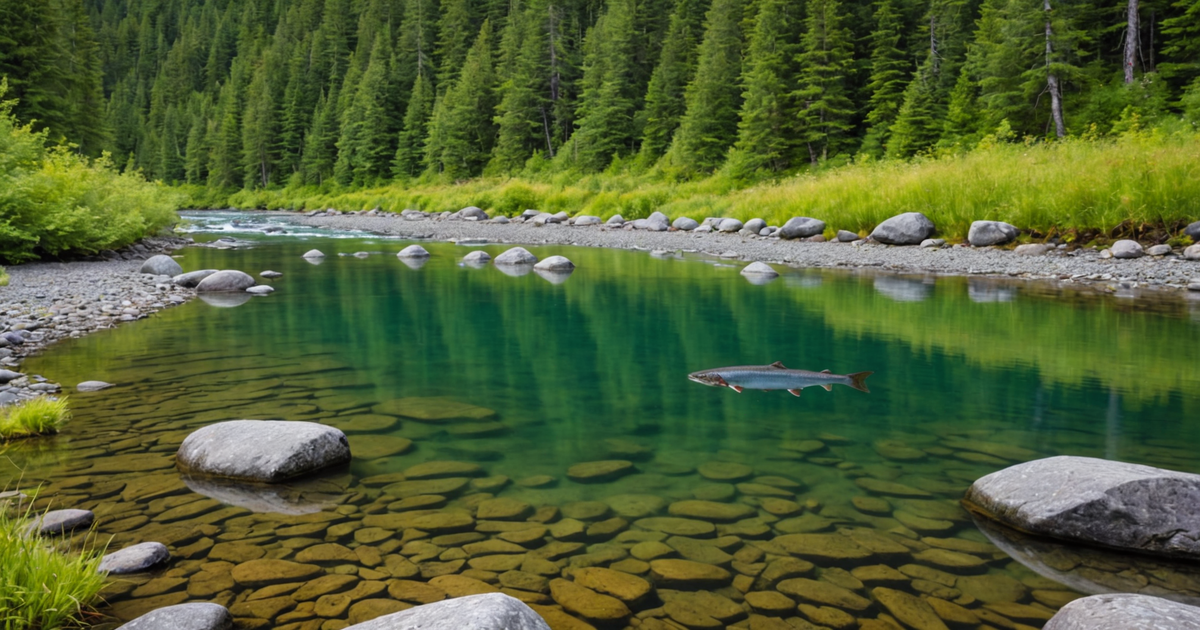
The majestic wilderness of Alaska is home to some of the most exhilarating fishing experiences in the world. Among these, the Alaska salmon runs stand out as a phenomenal natural spectacle and a prime opportunity for anglers. With five species of Pacific salmon making their way to Alaska’s rivers each year, understanding when and where to catch them can greatly enhance your fishing adventure. This guide will provide detailed insights into the peak seasons of Alaska salmon runs and how to maximise your fishing trips from Anchorage with local expertise. For more detail, see official guidance.
Understanding Alaska Salmon Runs
Alaska’s salmon runs are a crucial part of the ecosystem and cultural heritage. Each summer, millions of salmon return from the ocean to Alaska’s rivers to spawn, creating a vibrant fishing season that attracts anglers from around the globe. For more detail, see further information.
The Five Species of Pacific Salmon. For more detail, see detailed advice.
-
Chinook (King) Salmon: Known for their large size and succulent taste, Chinook salmon are the most sought-after. Their runs typically occur from May to July, with peak times varying slightly by river. For more detail, see planning resources.
-
Sockeye (Red) Salmon: Renowned for their bright red flesh, sockeye salmon have runs from mid-June to early August. They are particularly abundant in the Bristol Bay area. For more detail, see local insights.
-
Coho (Silver) Salmon: Starting in late July and extending into November, Coho salmon are known for their acrobatics when hooked.
-
Pink (Humpy) Salmon: The smallest and most abundant species, pink salmon have a biennial run with even-numbered years being larger. They run from mid-July to late September.
-
Chum (Dog) Salmon: Chum salmon runs occur from mid-June through September. They are valued less for sport but are nonetheless significant to the overall ecosystem.
Peak Seasons and Best Locations
The peak season for salmon fishing varies by species and location. For example, the Kenai River is famous for its record-sized King salmon, particularly during June and July. In contrast, the Copper River is renowned for sockeye salmon in July. Understanding these nuances can greatly enhance your fishing success.
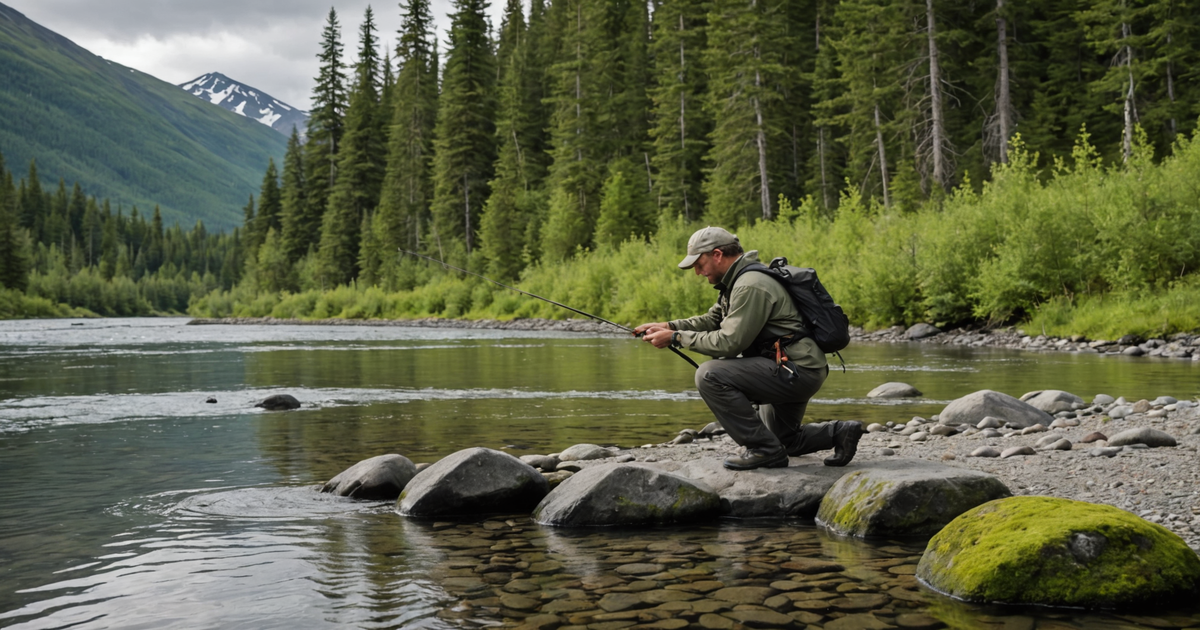
For those keen on a more self-guided experience, check out our DIY fishing adventures which provide valuable tips and tricks for exploring Alaska’s waters.
Planning Your Salmon Fishing Trip
When planning your fishing trip to experience the Alaska salmon runs, consider both the timing of the run and the regulations governing salmon fishing in Alaska. The Alaska Department of Fish and Game provides comprehensive resources on fishing seasons and regulations to ensure sustainable practices.
Booking Guided Trips from Anchorage
Anchorage serves as a perfect base for exploring Alaska’s rich fishing grounds. Guided trips are highly recommended for those unfamiliar with the region. Local guides offer invaluable knowledge of the best spots and techniques. For the best experience, consider booking with local experts who can tailor the trip to your preferences and skill level.
Sustainable Fishing Practices
Respect for the environment is paramount. Engaging in sustainable fishing practices ensures the preservation of Alaska’s natural resources for future generations. This includes adhering to catch-and-release policies where appropriate and respecting bag limits set by local authorities.
For those looking to refine their techniques, our guide on best salmon hooks for solid hook-ups offers expert advice on gear selection.
Conclusion
Alaska’s salmon runs are a natural wonder and a bucket-list experience for any angler. By understanding the peak seasons, respecting local regulations, and employing sustainable practices, you can enjoy an unforgettable fishing adventure. Whether you are a seasoned angler or a curious beginner, Alaska offers an unparalleled opportunity to connect with nature and experience one of the world’s last great wild fisheries.
FAQ
1. What is the best time to fish for salmon in Alaska?
The best time to fish for salmon in Alaska varies by species and location. Generally, late spring to early autumn (May to September) is the prime season for most salmon species.
2. Do I need a special licence to fish for salmon in Alaska?
Yes, anglers are required to have a valid Alaska fishing licence. Specific regulations can be found on the Alaska Department of Fish and Game’s website.
3. Can I fish for salmon in Alaska on my own?
Absolutely. Many anglers enjoy DIY fishing trips. It is essential to research and plan accordingly. Our DIY fishing tips can help you get started.
4. What gear do I need for salmon fishing in Alaska?
Basic gear includes a rod and reel suited for salmon, appropriate line, hooks, and lures. For specific advice, see our guide on best salmon jigs for rivers and tides.
5. Are there guided fishing tours available from Anchorage?
Yes, Anchorage is a hub for fishing tours. Consider booking with local experts for a safe and rewarding experience. Find more details on fishing charters in Alaska.
6. What are some sustainable ways to fish for salmon?
Practising catch-and-release, adhering to bag limits, and using eco-friendly gear are all sustainable practices. Learn more about sustainable fishing practices.
7. How can I improve my salmon fishing skills?
Improving your skills involves practice and learning from experts. Check out our fishing techniques for tips and strategies.