
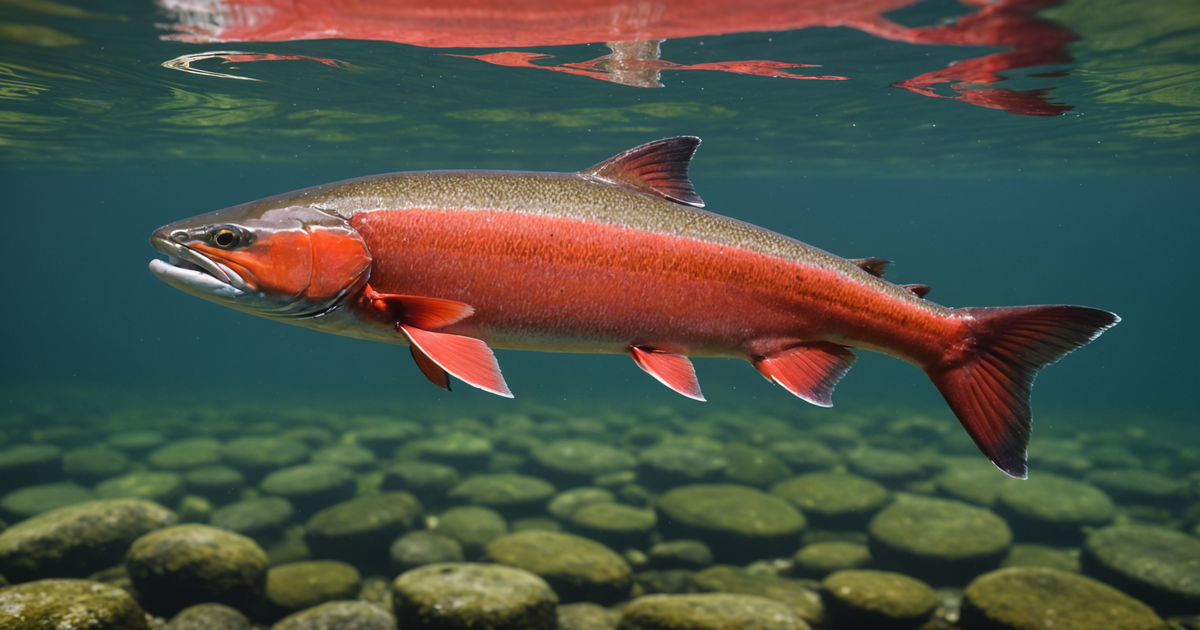
Introduction
Alaska, known for its breathtaking landscapes and pristine wilderness, is also renowned for its rich aquatic life, particularly its salmon. The state is home to five distinct types of Pacific salmon, each offering unique characteristics and fishing opportunities. Whether you’re an angling enthusiast or a culinary explorer, understanding these species enhances your Alaskan adventure. In this comprehensive guide, we delve into the Alaska salmon 5 types, exploring their habitats, fishing techniques, and the best locations to find them. For more detail, see official guidance.
The Five Types of Alaska Salmon
1. King Salmon (Chinook). For more detail, see further information.
The King Salmon, scientifically known as Chinook, is the largest of the Pacific salmon species and can weigh over 100 pounds. These majestic fish are prized for their rich flavour and high oil content, making them a favourite among both anglers and chefs. For more detail, see detailed advice.
Habitat and Fishing. For more detail, see planning resources.
King Salmon are typically found in large river systems such as the Kenai Peninsula, where they undertake their migration. The best time to fish for King Salmon is during the late spring and early summer months, although seasons can vary. For more detail, see local insights.
Fishing for King Salmon requires patience and skill, with techniques such as trolling and drift fishing being particularly effective. For those new to salmon fishing, learning to fish for salmon can provide a solid foundation.
2. Sockeye Salmon (Red Salmon)
Sockeye Salmon, or Red Salmon, are renowned for their vibrant red flesh and are a staple in the Alaskan fishing industry. They are smaller than the Chinook but are equally sought after for their culinary versatility.
Habitat and Fishing
Sockeye are typically found in the Bristol Bay region and other freshwater systems. They run in large numbers, making them a prime target for recreational fishing. The peak season for Sockeye Salmon is from late June to early August.
Anglers often use fly fishing techniques to catch Sockeye, and fly fishing resources can be immensely beneficial for those seeking to refine their skills. 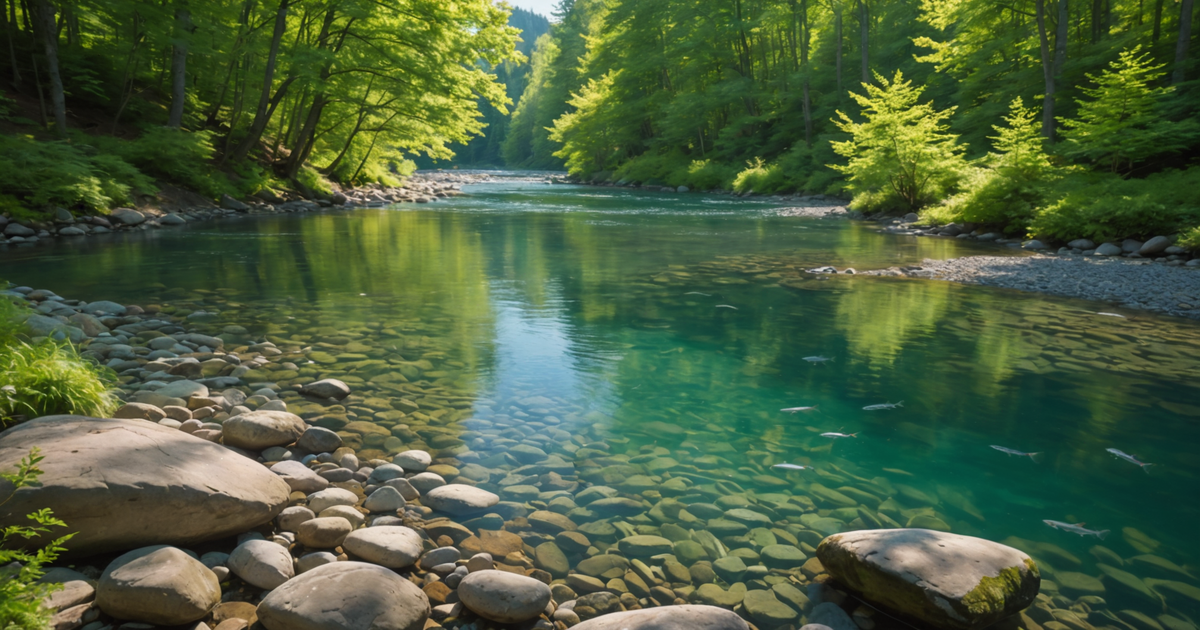
3. Coho Salmon (Silver Salmon)
The Coho Salmon, also known as Silver Salmon, is a medium-sized species known for its aggressive behaviour and aerial acrobatics, making it a thrilling catch.
Habitat and Fishing
Coho Salmon are found in both saltwater and freshwater environments, with significant runs in the Kenai River and other coastal streams. The best time to fish for Coho is from late July through October.
Fishing for Coho often involves casting spinners or using flies, and their willingness to bite makes them a favourite among sport fishers. For tips on fishing in varying conditions, check out fishing for salmon in high water.
4. Pink Salmon (Humpy)
Pink Salmon, affectionately termed ‘Humpies’ due to their distinctive humpback appearance during spawning, are the most abundant of the Pacific salmon species.
Habitat and Fishing
These salmon are found in great numbers in coastal areas and are an excellent choice for novice anglers due to their abundance and eagerness to bite. The peak season for Pink Salmon is every other year, typically in odd-numbered years.
Fishing for Pink Salmon can be a delightful experience, particularly for families and beginners. Techniques such as casting small lures or flies work well.
5. Chum Salmon (Dog Salmon)
Chum Salmon, or Dog Salmon, are known for their distinct colouration and large canine-like teeth that develop during spawning. While less popular for eating, they are valued for their roe and their role in ecosystem balance.
Habitat and Fishing
Chum Salmon are found in rivers and streams throughout Alaska, with significant runs occurring from June to September. They are often caught using similar methods to other salmon, such as drift fishing and fly fishing.
For those interested in exploring the culinary aspects of salmon, culinary adventures offer insights into how Chum Salmon can be utilised.
Conclusion
Exploring the diverse salmon species of Alaska offers not only an opportunity for thrilling fishing experiences but also a chance to immerse oneself in the natural beauty of the region. Each species presents its own challenges and rewards, making Alaska a premier destination for anglers worldwide. Whether you’re traversing the Kenai Peninsula or exploring the vast waterways of the state, the Alaska salmon 5 types promise an unforgettable adventure.
FAQ
What are the five types of Alaska salmon?
The five types of Alaska salmon are King (Chinook), Sockeye (Red), Coho (Silver), Pink (Humpy), and Chum (Dog) Salmon.
When is the best time to fish for salmon in Alaska?
The best time varies by species, but generally, the salmon fishing season runs from late spring to early autumn. For specific timing, visit when is Alaska salmon season really.
Where can I find King Salmon in Alaska?
King Salmon are commonly found in large river systems such as the Kenai River. They are best fished during their peak run in late spring to early summer.
What fishing techniques are effective for Sockeye Salmon?
Fly fishing is particularly effective for Sockeye Salmon. Resources like fly fishing articles can help refine your technique.
Are there guided fishing tours available in Alaska?
Yes, Alaska offers numerous guided fishing tours. Exploring Alaska fishing packages can provide comprehensive tour options.
Is a fishing licence required to fish in Alaska?
Yes, a fishing licence is required for sport fishing in Alaska. For more information, visit the Alaska Department of Fish and Game.
Can I fish for salmon year-round in Alaska?
Salmon fishing is seasonal, with the peak season varying by species. Some areas may allow winter fishing, but availability is limited.
What is the best bait for Coho Salmon?
Coho Salmon respond well to spinners and flies. Understanding how to fish for them can enhance your success rate.