
Introduction
Fishing is not just a pastime; it’s a passion that binds communities and creates unforgettable memories. While many anglers may have spent years chasing the elusive striped bass, there’s a growing trend that’s catching the eye of fishing enthusiasts worldwide: Alaska salmon fishing. The competition between striped bass and salmon is a topic of lively debate among anglers, but when it comes to the ultimate fishing experience, Alaska’s salmon wins hands down. This article explores the allure of Alaska salmon fishing and why it should be your next fishing adventure. For more detail, see official guidance.
The Allure of Alaska Salmon Fishing
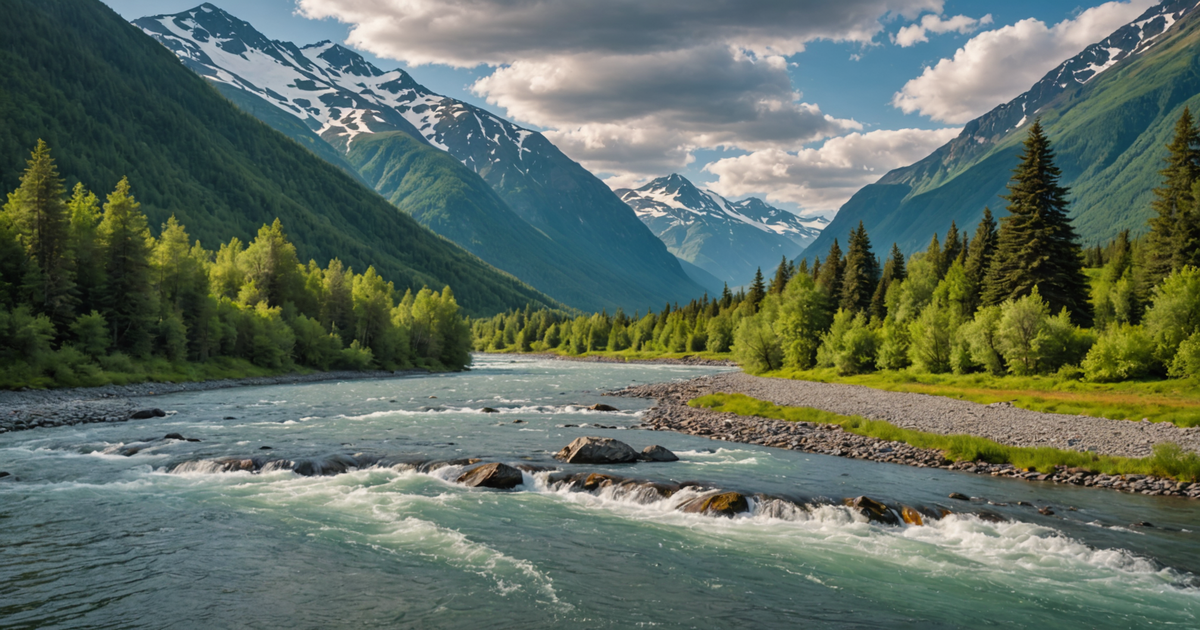
Alaska is renowned for its breathtaking landscapes and abundant wildlife, making it a paradise for outdoor enthusiasts. For anglers, the draw lies in its rich and varied fish populations, particularly the five species of Pacific salmon: Chinook (King), Sockeye (Red), Coho (Silver), Pink (Humpy), and Chum (Dog). These species offer diverse fishing experiences and are a major reason why Alaska remains a top destination for fishing holidays. For more detail, see further information.
A Sustainable Choice. For more detail, see detailed advice.
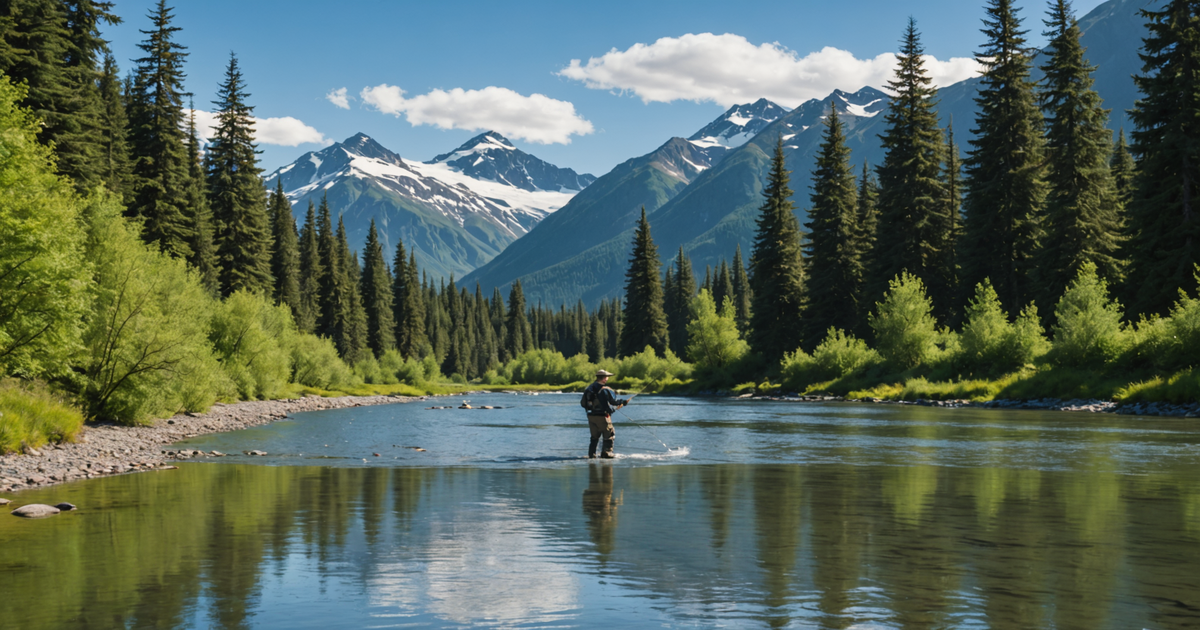
Fishing for salmon in Alaska is not only about the thrill of the catch but also about sustainability. The state’s stringent fishery management practices ensure that salmon populations remain healthy and abundant. According to the Alaska Department of Fish and Game, these measures are crucial for maintaining the natural balance and providing future generations with the same opportunities. Anglers can fish with peace of mind, knowing they are participating in a sustainable practice. For more detail, see planning resources.
The Experience of a Lifetime. For more detail, see local insights.
The sheer excitement of battling a powerful Chinook or the elegance of a Sockeye’s leap is unmatched. Each species presents its unique challenge, and the stunning backdrop of Alaska’s wilderness enhances every moment. For those looking to diversify their fishing adventures, the Kenai Peninsula offers a rich tapestry of fishing spots, each with its unique charm and challenges.
Techniques and Equipment
Fishing for salmon requires specific techniques and equipment. Unlike striped bass fishing, which often involves baitcasting or trolling, salmon fishing can include fly fishing, spin fishing, and even using top salmon flashers for more strikes. The diversity in approach adds to the thrill, as anglers can tailor their methods to match the species and conditions.
The Stripers vs. Salmon Debate
While striped bass are prized for their fight and flavour, the competition with salmon often boils down to personal preference. Striped bass fishing is more commonly associated with the Atlantic coast of the United States and is a staple for many local anglers. However, the adventure of Alaska salmon fishing offers a more varied palette of experiences, from the remote wilderness to the majestic rivers.
Environmental Considerations
The environments in which these species are found also differ significantly. Striped bass are often found in coastal waters and estuaries, whereas salmon navigate between the ocean and freshwater rivers. This journey is a spectacle in itself and offers anglers a glimpse into the life cycle of these incredible fish. Fishing in Alaska means engaging with nature in its purest form, often surrounded by the awe-inspiring landscapes featured in Travel Alaska.
Adventure Beyond Fishing
Alaska is not just about fishing; it’s an entire ecosystem of adventures. From dog sledding tours to hiking tours, there is no shortage of activities to complement your fishing trip. Moreover, experiencing the local culture and cuisine, such as fresh, locally-caught salmon, adds depth to your adventure.
Conclusion
Choosing between striped bass and salmon is ultimately a personal decision, but the unique experiences and sustainable practices of Alaska salmon fishing make it a compelling choice. Whether you are a seasoned angler or a beginner, the opportunity to fish in Alaska’s pristine waters is an adventure of a lifetime. As the debate continues, one thing is certain: the allure of Alaska’s salmon is undeniable.
FAQ
1. What are the best months for salmon fishing in Alaska?
The best months for salmon fishing in Alaska generally range from May to September, with peak runs varying by species and location. For more detailed timing, visit Travel Alaska’s planning guide.
2. Do I need a licence to fish for salmon in Alaska?
Yes, a fishing licence is required for both residents and non-residents. You can find more information on licensing and regulations at the Alaska Department of Fish and Game.
3. What is the difference between fishing for striped bass and salmon?
Striped bass fishing often occurs in coastal and estuarine environments, while salmon fishing involves both ocean and freshwater habitats. Techniques and equipment can also differ significantly.
4. Can beginners enjoy salmon fishing in Alaska?
Absolutely! Many guided tours cater to beginners and provide all necessary equipment and instruction. Check out Alaska Adventure Guides for more information on available tours.
5. What other activities can I do in Alaska besides fishing?
Alaska offers a plethora of activities, including snowshoeing, wildlife viewing, and exploring the stunning landscapes through hiking tours.
6. How do I prepare for a fishing trip in Alaska?
Preparation involves checking weather conditions, understanding local fishing regulations, and ensuring you have the right gear. For specific tips, refer to Screamin’ Reels’ planning guide.
7. Are there guided fishing trips available in Alaska?
Yes, there are numerous guided fishing trips available, ranging from family-friendly excursions to more challenging adventures. For options, visit My Alaskan Fishing Trip.
8. What types of salmon are found in Alaska?
Alaska is home to five species of Pacific salmon: Chinook, Sockeye, Coho, Pink, and Chum. Each offers unique challenges and experiences for anglers.