
Introduction
Salmon chum, also known as Oncorhynchus keta, is one of the most intriguing species found in the cold, nutrient-rich waters of Alaska. Known for its resilience and adaptability, the chum salmon is a vital part of Alaska’s ecological and cultural tapestry. Understanding this species is crucial for anglers and conservationists alike, especially for those planning to fish Alaska waters responsibly. This comprehensive guide will dive into the biology, habitat, fishing techniques, and conservation efforts associated with salmon chum. For more detail, see official guidance.
Biology and Habitat of Salmon Chum
Chum salmon are anadromous fish, meaning they are born in freshwater, migrate to the ocean, and return to freshwater to spawn. They are identifiable by their robust bodies and distinctive colouration during spawning, which turns them a striking array of reds, purples, and greens. These fish can grow up to 102 cm long and weigh between 4 to 10 kg, with some exceptional specimens reaching even greater sizes. For more detail, see further information.
Distribution and Migration. For more detail, see detailed advice.
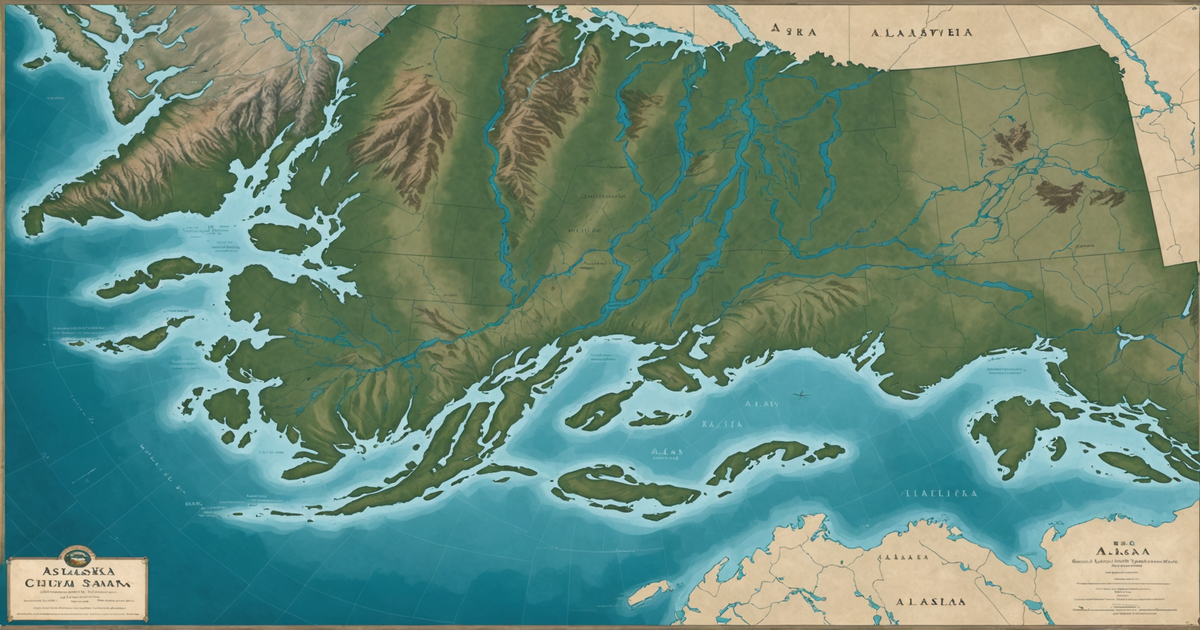
Chum salmon inhabit the North Pacific Ocean and the Bering Sea, with a distribution that spans from the coast of California to the Sea of Japan. In Alaska, they are predominantly found in the Yukon and Kuskokwim rivers, as well as the Kenai Peninsula and the waters surrounding Anchorage. Anchorage provides a strategic location for anglers wishing to access prime fishing grounds. For more detail, see planning resources.
Chum salmon’s migration is a remarkable journey. They begin their life in freshwater, journey to the ocean for several years, and then return to their natal streams to spawn. This cycle ensures genetic diversity and robust populations, making them a vital food source for both humans and wildlife. For more detail, see local insights.
Fishing Techniques for Chum Salmon
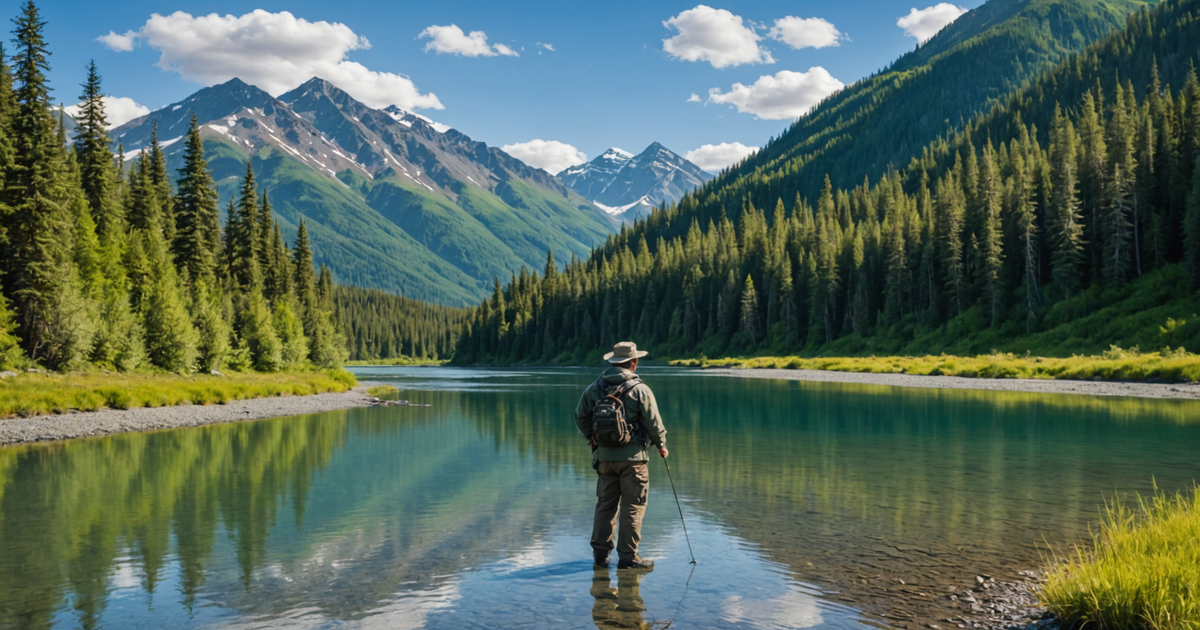
Fishing for chum salmon can be an exhilarating experience, given their aggressive behaviour and strength. Anglers often use fly fishing techniques, which can be learned through various expert resources. Understanding the right equipment and timing is crucial for success.
Best Times and Locations
The best time to fish for chum salmon in Alaska is from June through September, when they return to freshwater to spawn. Rivers on the Kenai Peninsula and near Anchorage are popular destinations due to their abundant populations and accessible locations.
Recommended Gear
When targeting chum salmon, using a medium to heavy action rod is advisable to handle their size and fight. Flies resembling natural prey are effective, with vibrant colours often attracting more bites. For those seeking to enhance their technique, exploring the best salmon jigs for rivers and tides can provide valuable insights.
Conservation and Management
Chum salmon populations are subject to stringent management to ensure sustainability. The Alaska Department of Fish and Game plays a pivotal role in monitoring populations and setting regulations for fishing seasons and catch limits. These measures are crucial for maintaining the delicate balance of Alaska’s ecosystems.
Sustainable Practices
Adopting sustainable fishing practices is essential for preserving chum salmon populations. Anglers are encouraged to follow catch-and-release protocols when appropriate and to stay informed about regulations and acts governing fishing in Alaska. Engaging with local guides can also aid in responsible fishing.
Culinary Uses of Chum Salmon
Chum salmon is not only prized for its sporting qualities but also for its culinary versatility. Its lean meat and subtle flavour make it ideal for smoking, grilling, and baking. For those interested in Alaskan cuisine, exploring culinary delights can provide inspiration for preparing this delectable fish.
Popular Recipes
Smoking is a traditional method of preparing chum salmon, enhancing its natural flavours and preserving it for longer periods. Additionally, it can be used in stews, chowders, and as a protein-rich addition to salads. For a unique taste of Alaska, trying salmon candy is highly recommended.
Conclusion
Salmon chum represents a crucial element of Alaska’s natural heritage, offering both ecological benefits and recreational opportunities. By understanding their biology, adopting sustainable fishing practices, and appreciating their culinary value, anglers can contribute to the preservation of this remarkable species. Engaging with local communities and guided fishing trips can enhance the experience while ensuring a responsible approach to enjoying Alaska’s bountiful waters.
FAQ
What is the best time to fish for chum salmon in Alaska?
The optimal time to fish for chum salmon is from June to September when they return to freshwater to spawn.
How can I identify chum salmon?
Chum salmon are recognisable by their robust bodies and vibrant colouration, especially during spawning when they exhibit reds, purples, and greens.
What gear is recommended for catching chum salmon?
A medium to heavy action rod with flies resembling natural prey, often in vibrant colours, is recommended for catching chum salmon.
Are there any specific regulations for fishing chum salmon in Alaska?
Yes, the Alaska Department of Fish and Game provides detailed regulations regarding fishing seasons and catch limits to ensure sustainability.
Can chum salmon be eaten?
Yes, chum salmon is edible and known for its lean meat and subtle flavour, making it suitable for smoking, grilling, and baking.
What are some sustainable fishing practices for chum salmon?
Anglers should follow catch-and-release protocols, stay informed about local regulations, and consider using guided trips to fish responsibly.
Where are the best places to fish for chum salmon in Alaska?
Popular locations include rivers on the Kenai Peninsula and near Anchorage, which are known for their abundant populations.
How does chum salmon contribute to Alaska’s ecology?
Chum salmon are a vital food source for both humans and wildlife and play an essential role in nutrient cycling in freshwater ecosystems.