
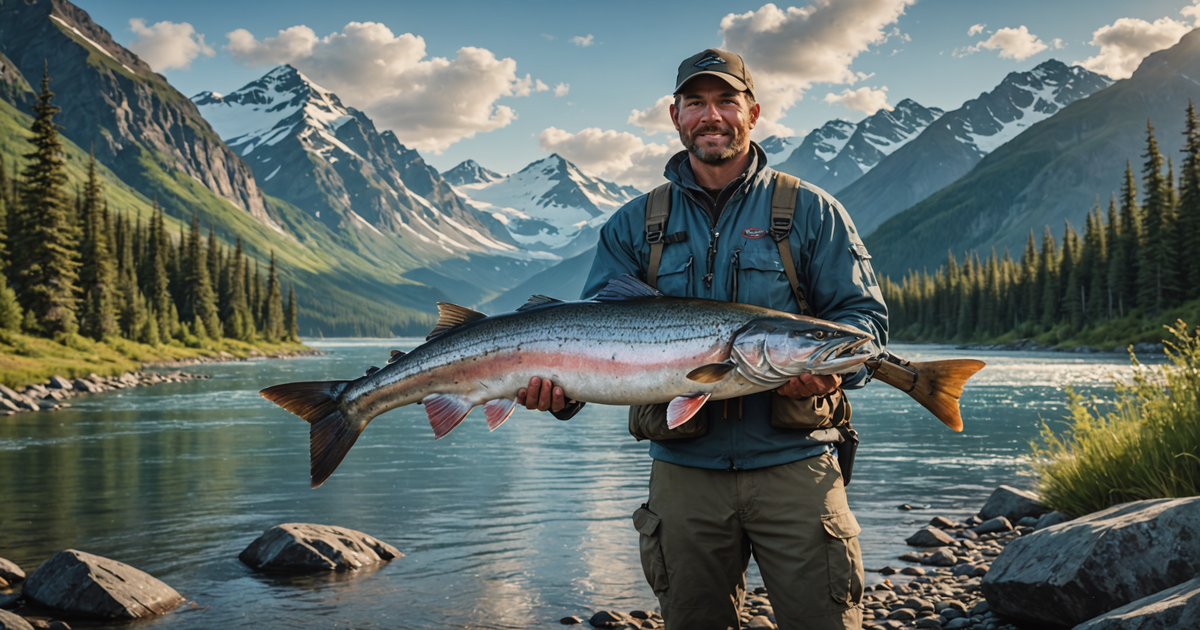
World’s Biggest Salmon | Catch Alaska Giants. For more detail, see official guidance.
Introduction
Alaska, with its vast wilderness and pristine waters, is renowned for its incredible salmon fishing opportunities. Among the most coveted prizes for anglers is the chance to catch the world’s biggest salmon. The thrill of reeling in these magnificent creatures draws fishing enthusiasts from all corners of the globe. In this comprehensive guide, we will delve into the world of giant salmon, uncover where to find them in Alaska, and explore the best techniques to secure your catch. For more detail, see further information.
The Salmon of Alaska: An Overview
Alaska is home to five species of Pacific salmon: Chinook (King), Coho (Silver), Sockeye (Red), Chum (Dog), and Pink (Humpy). Of these, the Chinook salmon holds the title of the largest, often referred to as the “King of Salmon.” These fish can weigh over 50 kilograms, making them a formidable opponent for any angler. For more detail, see detailed advice.
Chinook Salmon: The King of the Waters. For more detail, see planning resources.
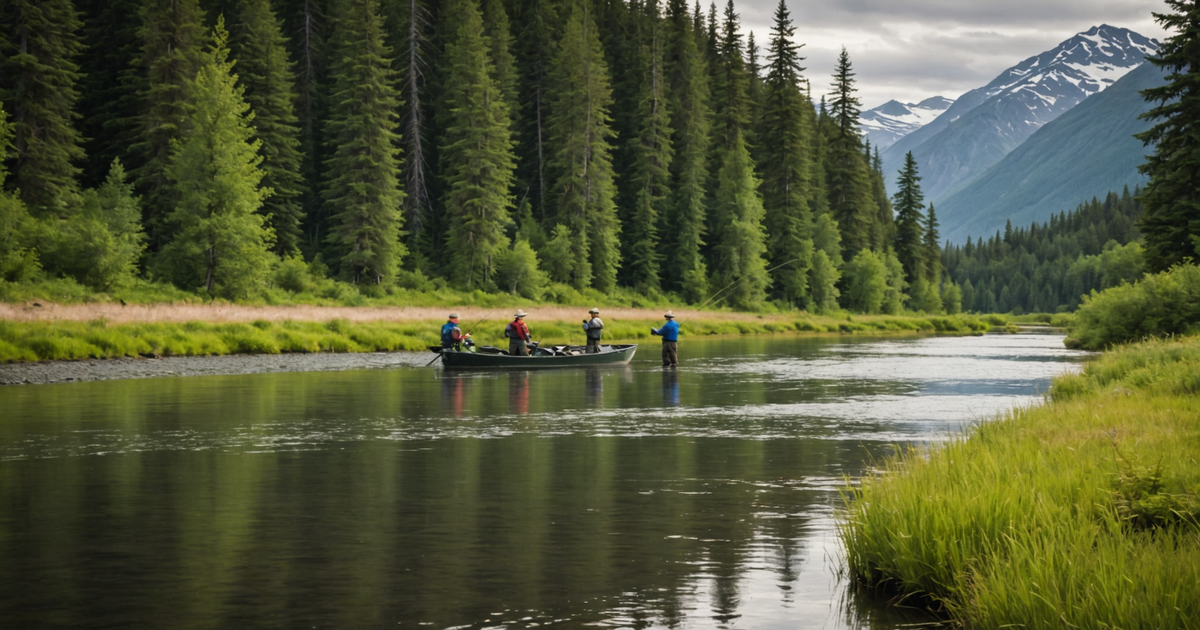
Known for its size and strength, the Chinook salmon is the ultimate prize in Alaska’s fishing landscape. These giants are typically found in large, deep rivers, such as the Kenai and Kasilof Rivers, which are famous for their bountiful salmon runs. For those new to the sport, the Kasilof River fishing guide provides essential tips for navigating these rich fishing grounds. For more detail, see local insights.
Optimal Seasons for Salmon Fishing
The timing of your fishing expedition is crucial in targeting the world’s biggest salmon. The peak season for Chinook salmon runs from mid-May to late July, though this can vary slightly based on specific locations. To maximise your chances, consider planning your trip during these peak times.
Techniques for Catching Giant Salmon
Success in catching giant salmon depends on employing the right techniques and equipment. Here are some key methods:
Tackle and Bait
Using the appropriate tackle is essential. Heavy-duty rods and reels capable of withstanding the power of a giant salmon are necessary. Baits such as herring or salmon roe are popular choices. Additionally, specialised lures designed for salmon fishing can increase your odds of a successful catch.
Fishing Strategies
Understanding the behaviour of salmon is vital. These fish are known for their migratory patterns, moving upstream to spawn. Targeting deeper pools and river bends where salmon rest during their journey can be highly effective. For more in-depth strategies, explore how to fish Brad’s Super Baits for salmon.
Planning Your Alaska Fishing Adventure
A fishing trip to Alaska is not just about the catch; it’s also about the experience of being immersed in the breathtaking Alaskan wilderness. Here’s a guide to planning your adventure:
Choosing the Right Location
Alaska offers numerous fishing spots, each with its unique charm. The Kenai Peninsula, Anchorage, and Bristol Bay are among the top destinations for salmon fishing. Websites like Travel Alaska provide detailed information on these locations.
Sustainable Fishing Practices
Responsible fishing is crucial to preserving Alaska’s natural resources. Engage in sustainable practices such as catch and release to ensure the longevity of salmon populations. Familiarise yourself with fishing regulations to comply with local laws.
Expert Guides and Services
Hiring a seasoned guide can enhance your fishing experience significantly. Local experts not only know the best spots but can also provide invaluable insights into the habits of the fish. Consider reaching out to Alaska Adventure Guides for professional assistance.
Conclusion
Catching the world’s biggest salmon in Alaska is an unparalleled adventure. With the right knowledge, preparation, and respect for the environment, you can have a truly rewarding experience. Whether you’re a seasoned angler or a novice, Alaska’s salmon fishing offers something for everyone. Embark on this journey and create memories that will last a lifetime.
FAQ
What is the best time of year to catch the world’s biggest salmon in Alaska?
The peak season for catching the largest Chinook salmon is from mid-May to late July. During this time, salmon runs are at their highest, offering the best chances for a successful catch.
Which rivers in Alaska are known for giant salmon?
The Kenai and Kasilof Rivers are renowned for their large salmon populations, particularly Chinook salmon. These rivers attract anglers from around the world seeking the thrill of catching a giant salmon.
What equipment is essential for catching big salmon?
Heavy-duty rods and reels are crucial to handle the size and strength of giant salmon. Additionally, using baits like herring or salmon roe, as well as specialised lures, can increase success rates.
Are there regulations I need to follow while fishing in Alaska?
Yes, it’s important to follow fishing regulations set by local authorities. These regulations help preserve fish populations and ensure sustainable fishing practices.
Can beginners successfully catch giant salmon in Alaska?
Absolutely. While experience helps, beginners can also succeed with the right guidance. Hiring a fishing guide can be beneficial for those new to salmon fishing.
How do I practice sustainable fishing in Alaska?
Sustainable fishing involves methods like catch and release, adhering to bag limits, and respecting habitat conservation. Engaging in sustainable practices ensures the preservation of fish populations for future generations.
Are there other activities to enjoy while on a fishing trip in Alaska?
Yes, Alaska offers a variety of outdoor activities such as hiking, wildlife viewing, and glacier tours, making it an ideal destination for nature enthusiasts.
What is the role of local guides in enhancing a fishing trip?
Local guides provide insider knowledge of the best fishing spots, techniques, and safety practices. They enhance the overall fishing experience by ensuring that anglers make the most of their time on the waters.