
Introduction
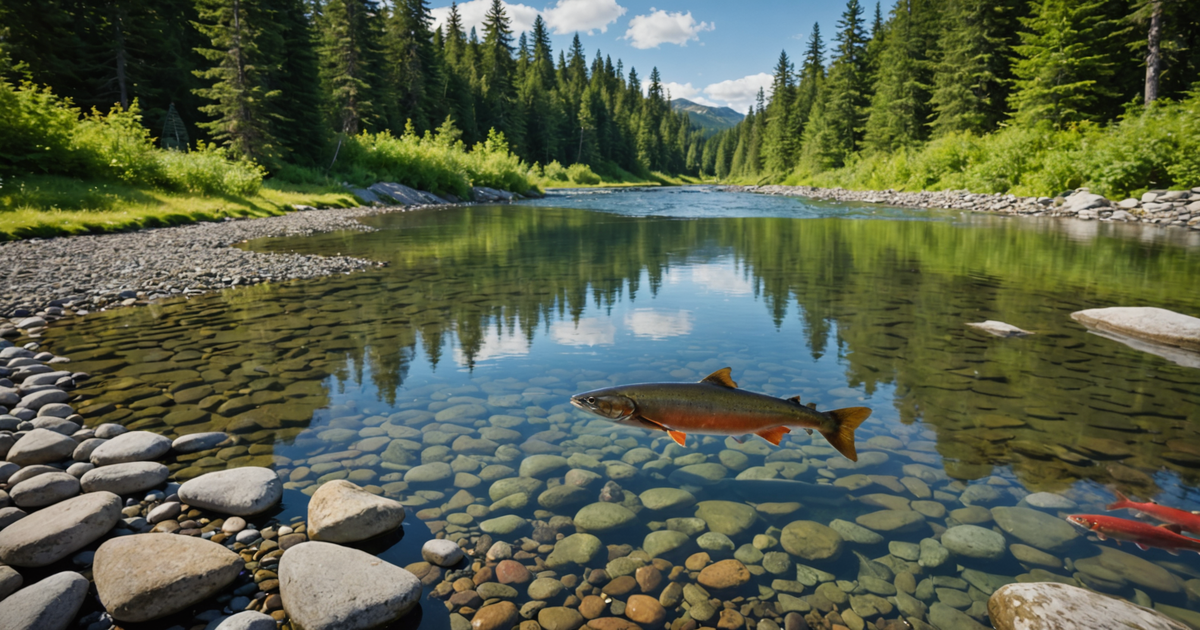
King salmon, also known as Chinook salmon, represent the pinnacle of angling challenges and ecological marvels. Renowned for their size, strength, and flavour, these fish are a primary target for both commercial and recreational fishermen, particularly in the pristine waters of Alaska. But have you ever wondered, “how long do king salmon live?” Understanding the lifespan of these majestic creatures is crucial not only for anglers but also for conservationists and biologists who work tirelessly to preserve their populations. In this comprehensive guide, we will explore the intriguing life cycle of king salmon and why the Alaskan environment is perfectly suited for their growth and longevity. For more detail, see official guidance.
The Lifespan of King Salmon
Life Cycle Stages. For more detail, see further information.
King salmon have a complex life cycle that involves both freshwater and saltwater phases. Their journey begins in freshwater streams, where they hatch from eggs. After spending up to a year in these streams, they migrate to the ocean to mature. This saltwater phase can last anywhere from one to five years, depending on various environmental factors and genetic predispositions. For more detail, see detailed advice.
Average Lifespan. For more detail, see planning resources.
On average, king salmon live between four to seven years. However, some exceptional individuals have been known to live up to nine years. The variation in lifespan is influenced by factors such as food availability, predation, and environmental conditions. Alaska, with its abundant food sources and relatively low levels of pollution, provides an ideal habitat for king salmon to thrive and reach the upper limits of their lifespan. For more detail, see local insights.
The Role of Genetics
Genetics play a crucial role in determining how long king salmon live. Some populations are genetically predisposed to longer lifespans, which can be advantageous in certain environments. This genetic diversity is crucial for the species’ adaptability and resilience, particularly in the face of changing climate conditions and human impacts.
Why Alaska is Ideal for King Salmon
Abundant Food Sources
Alaska’s rich marine and freshwater ecosystems offer an abundance of food for king salmon at all stages of their life cycle. From plankton and small fish in the ocean to aquatic insects in freshwater streams, the availability of diverse food sources supports the growth and longevity of these fish. For those interested in experiencing Alaska’s fishing opportunities, Alaska Adventure Guides offers extensive tours across the Kenai Peninsula, a prime location for fishing enthusiasts.
Pristine Environment
The relatively untouched landscapes of Alaska provide a pristine environment for king salmon. Minimal pollution and careful management of natural resources ensure that the water quality remains high, which is essential for the health and survival of salmon populations. The Alaska Department of Fish and Game works diligently to maintain these conditions through sustainable practices and regulations.
Conservation Efforts
Efforts to conserve king salmon populations are robust in Alaska. Organisations and governmental bodies collaborate to implement sustainable fishing practices, habitat restoration projects, and research initiatives. These measures are vital for maintaining healthy salmon stocks and ensuring that future generations can continue to enjoy the thrill of fishing for these magnificent creatures. For more information on conservation practices, refer to Nature Conservancy.
Fishing for King Salmon in Alaska
When and Where to Fish
The king salmon fishing season in Alaska typically runs from May through July, with peak times varying by location. The Kenai Peninsula is particularly famous for its large king salmon, and local guides can provide invaluable expertise for those new to the area. For a broader scope on planning your fishing trip, Travel Alaska offers a comprehensive guide.
Regulations and Permits
Fishing regulations in Alaska are stringent to ensure the sustainability of king salmon populations. Anglers must obtain the necessary permits and adhere to rules regarding catch limits and fishing methods. For the latest regulations, visit the Alaska Department of Fish and Game’s website. Ensuring compliance with these regulations is crucial for the conservation of these species.
Tips and Techniques
For those keen on improving their fishing skills, Alaska Adventure Guides offers expert tips on using high-spin salmon spinners, a popular method for catching king salmon. Engaging with local guides and taking advantage of regional expertise can significantly increase your chances of a successful fishing expedition.
Conclusion
King salmon are not only a symbol of Alaskan wildlife but also a testament to the state’s commitment to conservation and sustainable fishing practices. Understanding how long king salmon live and the factors that influence their lifespan is essential for anglers, conservationists, and anyone interested in the ecological balance of Alaskan waters. By protecting their habitats and following sustainable fishing practices, we can ensure that these magnificent fish continue to thrive in Alaska’s pristine environments for generations to come.
FAQ
How long do king salmon live in the wild?
King salmon typically live between four to seven years in the wild, although some may live up to nine years, depending on environmental factors and genetics.
What factors affect the lifespan of king salmon?
The lifespan of king salmon is influenced by food availability, predation, environmental conditions, and genetic factors.
Why is Alaska a prime location for king salmon?
Alaska offers abundant food sources, a pristine environment, and robust conservation efforts, all of which contribute to the ideal conditions for king salmon to thrive.
What is the best time to fish for king salmon in Alaska?
The best time to fish for king salmon in Alaska is from May through July, with specific peak times varying by location.
Are there specific regulations for fishing king salmon in Alaska?
Yes, anglers must adhere to strict regulations regarding permits, catch limits, and fishing methods. These regulations ensure the sustainability of king salmon populations.
What techniques are effective for catching king salmon?
High-spin salmon spinners are a popular and effective technique. Local guides can provide valuable insights and tips to enhance fishing success.
How does Alaska ensure the conservation of king salmon?
Alaska employs sustainable fishing practices, habitat restoration projects, and research initiatives to maintain healthy salmon stocks and preserve their habitats. For more information, you can contact Alaska Adventure Guides.
Can I book a guided fishing tour for king salmon in Alaska?
Yes, there are numerous guided fishing tours available in Alaska, such as those offered by Alaska Adventure Guides, providing expertise and local knowledge for an unforgettable fishing experience.