
Introduction
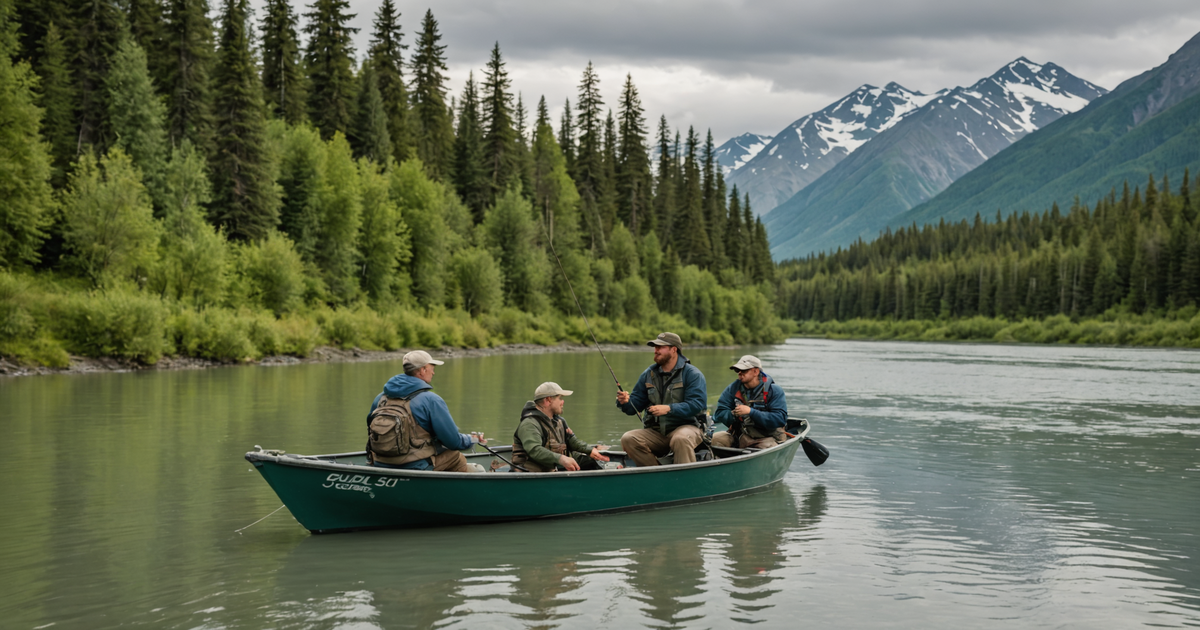
The Kenai River, nestled in the heart of Alaska, is renowned for its prolific sockeye salmon runs. Attracting anglers from across the globe, this river offers unparalleled fishing opportunities amidst stunning landscapes. This guide provides an in-depth look at the Kenai River sockeye salmon fishing experience, from planning and regulations to guided trips with local experts. Whether you are an experienced angler or a beginner, this article will help you navigate the waters of the Kenai River with confidence and skill. For more detail, see official guidance.
The Allure of Kenai River Sockeye Salmon
Sockeye salmon, also known as red salmon due to their vibrant hue, are a prized catch for any angler. The Kenai River is one of the most productive sockeye salmon fisheries in the world, with millions of fish returning each summer. This abundance, combined with the scenic backdrop of Alaska’s wilderness, makes sockeye fishing on the Kenai River a must-do adventure. For more detail, see further information.
Timing Your Trip. For more detail, see detailed advice.
The timing of your trip is crucial for a successful catch. Sockeye salmon typically begin their migration up the Kenai River in late June, peaking in mid-July. By understanding the salmon run timing, anglers can maximise their chances of success. The Alaska Department of Fish and Game provides valuable resources for predicting run timing and planning your fishing vacation. For more detail, see planning resources.
Equipment and Techniques. For more detail, see local insights.
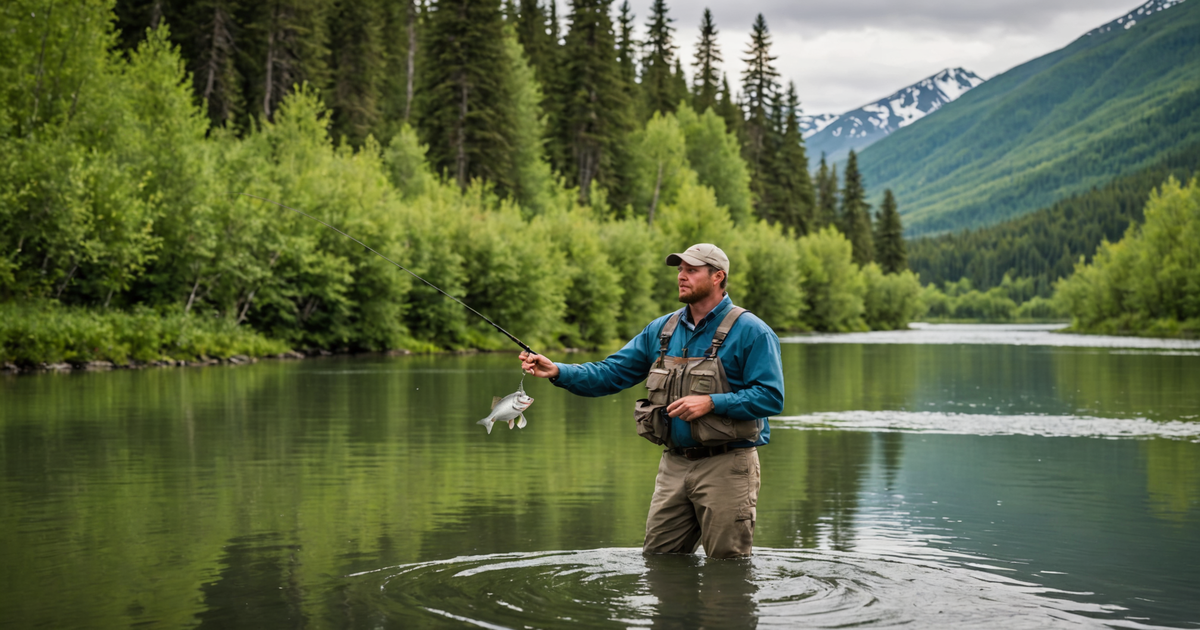
Fishing for sockeye salmon requires specific gear and techniques. Using the right tackle, such as fly rods or spinning reels suited for salmon, can significantly enhance your fishing experience. For those new to the sport, consider reading about essential fishing gear that can help you land the perfect catch.
Guided Fishing Trips
Engaging a local guide can be invaluable for those unfamiliar with the Kenai River. These experts not only know the best spots to fish but also provide insights into effective techniques and the river’s unique ecosystem. Guided trips often include equipment rental, making it easier for visitors to enjoy the sport without investing in personal gear.
Choosing a Guide
When selecting a guide, look for those with extensive experience and a passion for the area. Many guides offer packages that include transport from Anchorage, allowing you to focus on the fishing rather than the logistics. For more information on guided salmon fishing, visit reputable services that specialise in Alaskan fishing adventures.
Anchorage-Based Planning
Planning your trip from Anchorage is a strategic choice, as it serves as a central hub for Alaskan adventures. From Anchorage, you can easily access the Kenai Peninsula and its rich fishing opportunities. Consider combining your fishing trip with other Alaskan activities, such as an Anchorage snowmobile tour, for a well-rounded experience.
Regulations and Sustainability
Fishing in Alaska is subject to strict regulations designed to ensure sustainability and preserve fish populations for future generations. Understanding these regulations is essential for any angler. The Alaska Department of Fish and Game provides comprehensive fishing regulations that must be adhered to ensure compliance and conservation.
Catch and Release Practices
Practising catch and release is an excellent way to contribute to the sustainability of sockeye salmon populations. By following proper techniques, anglers can minimise harm to the fish and ensure their safe return to the water. For more on sustainable practices, explore our section on sustainable fishing techniques.
Conclusion
Fishing for sockeye salmon on the Kenai River is more than just a sport; it’s an experience that connects you with nature and the rich culture of Alaska. With the right preparation, guidance, and respect for regulations, your fishing trip can be both successful and sustainable. Whether you’re drawn by the thrill of the catch or the beauty of the Alaskan wilderness, the Kenai River offers an unforgettable adventure.
FAQ
1. What is the best time of year to fish for sockeye salmon on the Kenai River?
The peak season for sockeye salmon fishing on the Kenai River is from late June to mid-July. This period sees the highest number of salmon returning to the river.
2. Do I need a fishing licence to fish the Kenai River?
Yes, all anglers are required to have a valid Alaska sport fishing licence. Licences can be purchased online or at various locations throughout the state. Check the Alaska Department of Fish and Game for more details.
3. Can beginners fish for sockeye salmon on the Kenai River?
Absolutely. Guided trips are highly recommended for beginners, as guides provide the necessary equipment and expertise to ensure a successful and enjoyable experience.
4. What should I bring on a guided fishing trip?
Most guided trips include equipment rental, but it’s advisable to bring weather-appropriate clothing, sunscreen, and a camera to capture your adventure.
5. Are there restrictions on the number of sockeye salmon I can catch?
Yes, there are daily bag and possession limits to help manage fish populations sustainably. Always check current fishing regulations before your trip.
6. What other activities can I do around the Kenai River?
In addition to fishing, the Kenai Peninsula offers hiking, wildlife viewing, and glacier tours. Consider exploring other outdoor activities for a full Alaskan experience.
7. How can I ensure I’m following sustainable fishing practices?
Educate yourself on catch and release techniques and adhere to all local fishing regulations. Engaging with resources on sustainable practices can also provide valuable insights.
8. Where can I find more information on planning my fishing trip to Alaska?
For comprehensive planning resources, visit Travel Alaska and other local guides to make the most of your Alaskan adventure.