
Introduction
Salmon sharks, scientific name Lamna ditropis, are a fascinating species of mackerel shark found in the North Pacific Ocean. Known for their speed and agility, these apex predators often evoke curiosity and concern among those who encounter them in the wild, particularly in the rich marine habitats of Alaska. However, the question that frequently arises is: Are salmon sharks aggressive? This blog post aims to explore the nature of salmon sharks, their behaviour in Alaskan waters, and whether they pose any real threat to humans. For more detail, see official guidance.
Understanding the Behaviour of Salmon Sharks
Natural Habitat and Characteristics. For more detail, see further information.
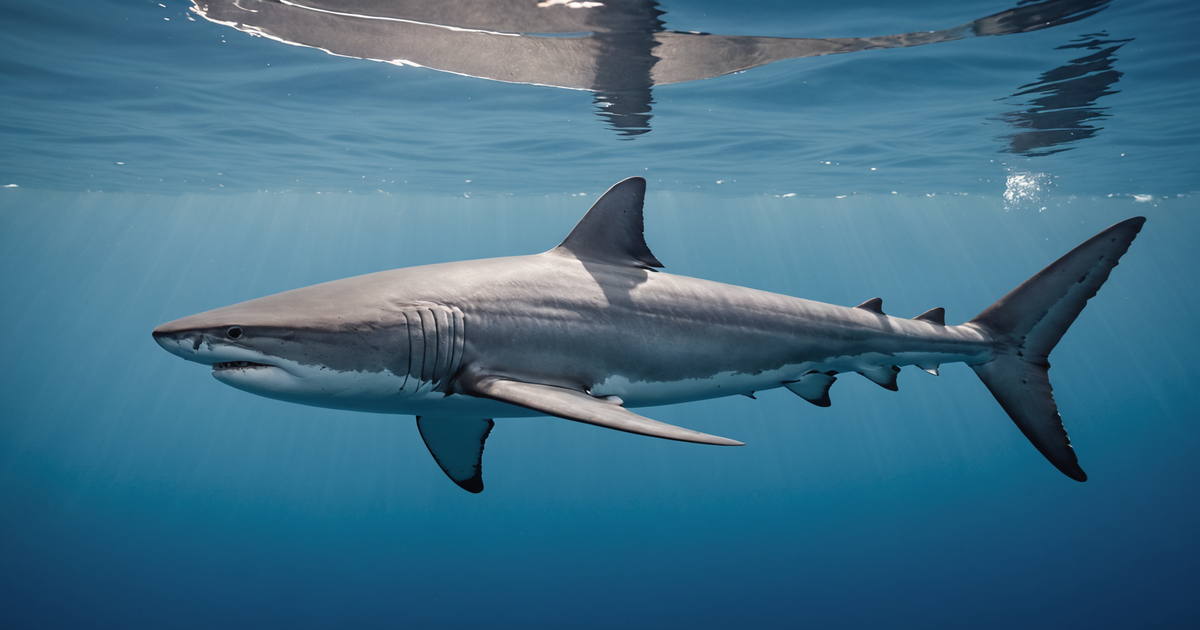
Salmon sharks are primarily found in the cold, nutrient-rich waters of the North Pacific, with a significant population residing in the Gulf of Alaska. These sharks are closely related to the great white shark and share some physical similarities, such as a robust, torpedo-shaped body and distinctively sharp teeth designed for efficiently catching their prey. For more detail, see detailed advice.
Salmon sharks are known to be highly migratory, often travelling vast distances in search of food. Their primary diet consists of Pacific salmon, squid, herring, and other small fish. This dietary preference is a significant factor in their presence in Alaskan waters, particularly during the salmon spawning season. For more detail, see planning resources.
Aggression and Interaction with Humans. For more detail, see local insights.
While salmon sharks are formidable predators, they are not generally considered aggressive towards humans. There are very few recorded incidents of salmon sharks attacking people. Their diet does not typically include mammals, and they tend to avoid areas heavily populated by humans. Observations suggest that salmon sharks are more curious than aggressive, often approaching boats and divers out of interest rather than hostility.

Research and Observations
Extensive research conducted by marine biologists and organisations, such as the Alaska Department of Fish and Game, has provided valuable insights into the behaviour of salmon sharks. Tagging and tracking studies have shown that these sharks exhibit a wide range of movement patterns, which are primarily dictated by the availability of their prey.
In Alaska, salmon sharks are sometimes spotted by fishermen and adventure seekers. For those interested in experiencing the thrill of observing these magnificent creatures, companies like Alaska Adventure Guides offer guided tours that prioritise safety and education.
Safety Measures and Precautions
Responsible Wildlife Interaction
When encountering salmon sharks, it is essential to follow responsible wildlife interaction guidelines. Maintaining a safe distance and avoiding any actions that might provoke the sharks is crucial. Boaters and divers should be particularly cautious during the salmon spawning season, as this is when these sharks are most active.
Regulations and Guidelines
The NOAA Fisheries and other regulatory bodies have set guidelines to ensure the safety of both sharks and humans. These guidelines include regulations on fishing practices and habitat conservation efforts that aim to protect marine biodiversity in Alaskan waters.
For those planning a fishing trip in Alaska, familiarising themselves with the state fishing regulations is essential to ensure compliance with conservation efforts and to minimise negative interactions with wildlife.
Conclusion
In conclusion, while salmon sharks are powerful and efficient predators, they are not inherently aggressive towards humans. Their presence in Alaskan waters is a testament to the region’s rich marine biodiversity, and understanding their behaviour is key to coexisting peacefully. By adhering to safety guidelines and respecting their natural habitat, we can continue to enjoy the thrill of observing these remarkable creatures without unnecessary risk.
For those interested in exploring Alaska’s marine life further, consider embarking on an adventure with Alaska Adventure Guides to safely experience the wonders of this beautiful region.
FAQ
Are salmon sharks dangerous to humans?
Salmon sharks are not considered dangerous to humans. They are more curious than aggressive and typically do not attack people.
What do salmon sharks eat?
Salmon sharks primarily feed on Pacific salmon, squid, herring, and other small fish found in the North Pacific waters.
Where can I see salmon sharks in Alaska?
Salmon sharks are often found in the Gulf of Alaska, particularly during the salmon spawning season. Guided tours, such as those offered by Alaska Adventure Guides, can provide safe opportunities to observe these sharks.
How can I ensure my safety when encountering a salmon shark?
Maintain a safe distance from the sharks, avoid provoking them, and follow local wildlife interaction guidelines to ensure safety during encounters.
Are there any regulations for fishing in Alaska?
Yes, the Alaska Department of Fish and Game provides comprehensive regulations for fishing in Alaska to conserve marine life and ensure sustainable practices.
How do salmon sharks compare to great white sharks?
Salmon sharks are smaller than great white sharks but share some physical similarities. They are both apex predators, though salmon sharks are less aggressive towards humans.
Can I fish for salmon sharks in Alaska?
Fishing for salmon sharks is subject to regulation, and it is important to consult the NOAA Fisheries guidelines and local regulations before attempting to fish for them.
What is the best time to observe salmon sharks in Alaska?
The best time to observe salmon sharks is during the salmon spawning season, typically in the summer months when they are most active in Alaskan waters.