
Introduction
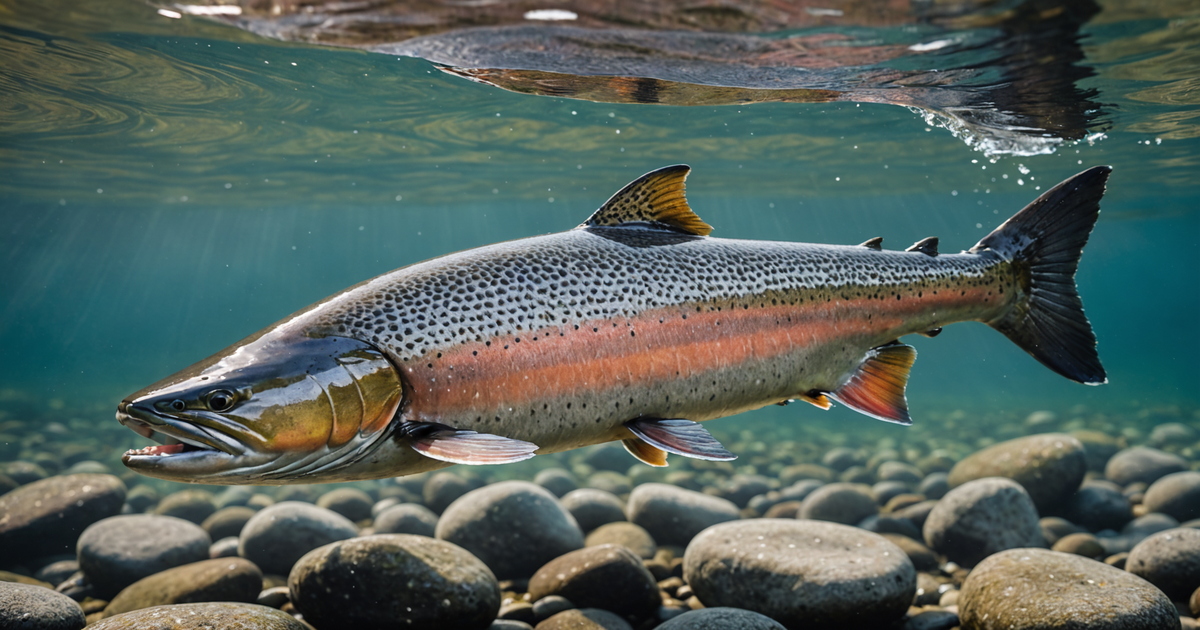
The king chinook salmon, revered for its impressive size and strength, is a quintessential symbol of Alaskan waters. As the largest species of Pacific salmon, it holds a special place in the hearts of anglers and nature enthusiasts who venture to fish Alaska’s pristine rivers and coastal areas. This blog post delves into the fascinating world of the king chinook salmon, exploring its unique characteristics, habitat, and the best practices for fishing this majestic species in Alaska. Whether you’re planning an Alaska fishing trip or simply curious about this iconic fish, you’re in the right place. For more detail, see official guidance.
The Majesty of King Chinook Salmon
The king chinook salmon, scientifically known as Oncorhynchus tshawytscha, is the largest of the Pacific salmon species, often weighing between 20 and 50 pounds, with some giants exceeding 100 pounds. Its impressive size, combined with the vibrant red hue it adopts during spawning, makes it a prized catch among anglers. Known for its strength and endurance, the king salmon offers a thrilling challenge for those who seek to engage with nature’s raw power. For more detail, see further information.
Habitat and Distribution. For more detail, see detailed advice.
King chinook salmon are predominantly found in the North Pacific Ocean, with Alaska being one of their primary habitats. They thrive in the cold, nutrient-rich waters of the region, migrating from the ocean to freshwater rivers to spawn. The Kenai River, in particular, is renowned for its abundant king salmon population, making it a top destination for fishing enthusiasts. For those interested in exploring the Kenai Peninsula, it’s a must-visit location for king salmon fishing. For more detail, see planning resources.
Life Cycle and Behaviour. For more detail, see local insights.
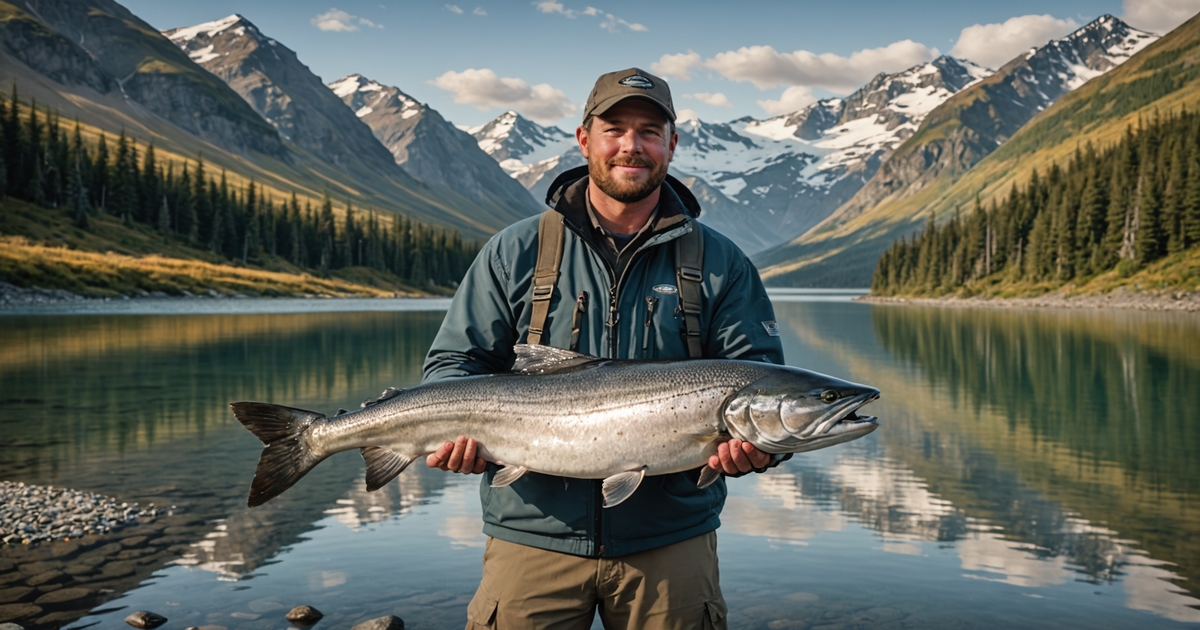
The life cycle of the king chinook salmon is a testament to nature’s resilience. Born in freshwater streams, juveniles migrate to the ocean where they spend several years growing and maturing. As they prepare to spawn, they return to their natal rivers, a journey fraught with challenges. This incredible migration showcases their navigational prowess and determination, as they often travel hundreds of miles against strong currents to reach their spawning grounds.
Understanding the king salmon’s behaviour is crucial for successful fishing. These fish are known for their aggressive nature, especially during the spawning season, making them more likely to bite at well-presented lures or bait. Anglers often employ high spin salmon spinners, which are known to be effective in attracting bites. For more on effective setups, check out these high spin salmon spinners that get bit.
Best Practices for Fishing King Chinook Salmon
Fishing for king chinook salmon in Alaska is an exhilarating experience that requires both skill and knowledge. Understanding the best techniques and timing can significantly increase your chances of landing one of these magnificent fish.
Timing Your Trip
The peak season for king salmon fishing in Alaska generally runs from mid-May to July, though specific timings can vary depending on the river and weather conditions. To maximise your fishing experience, planning your trip during this period is advisable. For more detailed guidance on planning your fishing trip, visit Travel Alaska.
Recommended Gear and Techniques
When targeting king salmon, having the right gear is essential. Heavy-duty rods and reels are recommended to handle their size and strength. Additionally, using the appropriate lures and bait, such as spoons, plugs, and fly patterns, can make a significant difference. For those new to fishing or looking to refine their skills, consider the insights provided in fish jig heads sizes and setups explained.
Regulations and Conservation
Anglers must adhere to Alaska’s fishing regulations to ensure sustainable fishing practices and the conservation of king salmon populations. Regulations such as catch limits, size restrictions, and seasonal closures are enforced to protect these valuable fish. For the latest information on fishing regulations, visit the Alaska Department of Fish and Game.
Conclusion
The king chinook salmon remains a symbol of natural beauty and strength, drawing anglers from around the world to Alaska’s breathtaking waters. Whether you’re an experienced angler or a novice eager to learn, fishing for king salmon offers an unforgettable adventure in one of the world’s most pristine environments. By understanding the habits, habitats, and best practices for fishing king salmon, you can enhance your experience and contribute to the conservation of this iconic species. For more on planning your Alaskan fishing adventure, explore our Alaska fishing trip guide.
FAQ
What is the best time to fish for king chinook salmon in Alaska?
The ideal time for fishing king chinook salmon in Alaska is from mid-May to July, with variations depending on specific rivers and weather conditions.
What gear do I need for king salmon fishing?
Heavy-duty rods and reels, along with suitable lures such as spoons and plugs, are recommended to effectively fish for king chinook salmon.
Where can I find king salmon in Alaska?
The Kenai River is one of the most popular locations for king salmon fishing, known for its abundant population and scenic beauty.
How do king chinook salmon migrate?
King chinook salmon migrate from the ocean to freshwater rivers to spawn, often travelling hundreds of miles to reach their natal spawning grounds.
Are there regulations for king salmon fishing in Alaska?
Yes, anglers must follow Alaska’s fishing regulations, including catch limits and size restrictions, to ensure sustainable fishing practices.
What are some effective techniques for catching king salmon?
Using high spin salmon spinners and understanding the behaviour of king salmon during the spawning season are effective strategies for successful fishing.
Can I fish for king salmon year-round in Alaska?
While king salmon can be found year-round, the peak fishing season is during the summer months. It’s essential to check seasonal regulations and closures.
For those interested in other fishing opportunities and outdoor activities, consider exploring outdoor sports in Alaska.