
Introduction
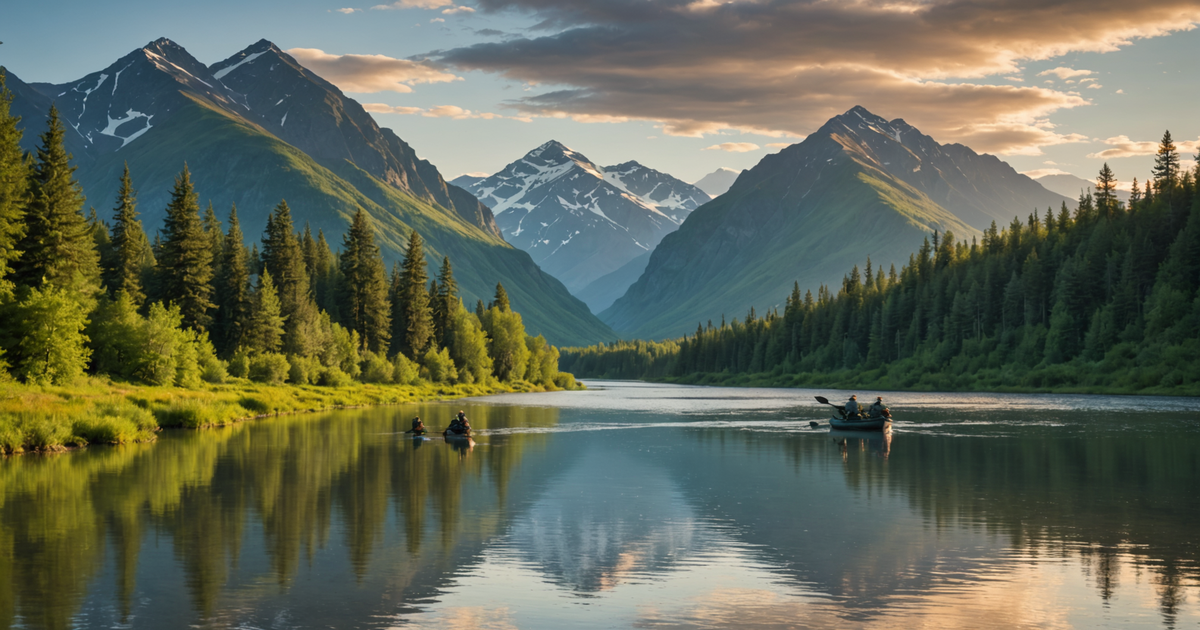
Alaska, the epitome of a wilderness paradise, is renowned for its breathtaking landscapes and abundant wildlife. Among its many natural wonders, the state is home to some of the world’s most prestigious fishing destinations, particularly for salmon enthusiasts. To ensure a sustainable fishing experience while preserving the natural balance of its ecosystem, Alaska has implemented specific regulations regarding the limit on salmon in Alaska. This guide will delve into these regulations to help you plan a compliant and successful fishing trip in the Last Frontier. For more detail, see official guidance.
Understanding Alaska Salmon Limits
The Alaska Department of Fish and Game (ADF&G) plays a crucial role in managing the fisheries, ensuring that fish populations remain healthy and abundant for future generations. Depending on the type of salmon and the specific fishing area, the allowable catch limits can vary. Here’s a breakdown of the primary salmon species and their respective limits. For more detail, see further information.
King Salmon (Chinook). For more detail, see detailed advice.
King Salmon, the largest of the Pacific salmon species, are highly sought after by anglers. Due to their popularity and size, they are subject to stricter regulations. In most areas, the daily limit is one King Salmon per person, with an annual limit of three in certain regions. However, specific areas like the Kenai River might have different regulations, so it’s advisable to check the ADF&G regulations for precise details. For more detail, see planning resources.
Sockeye Salmon (Red). For more detail, see local insights.
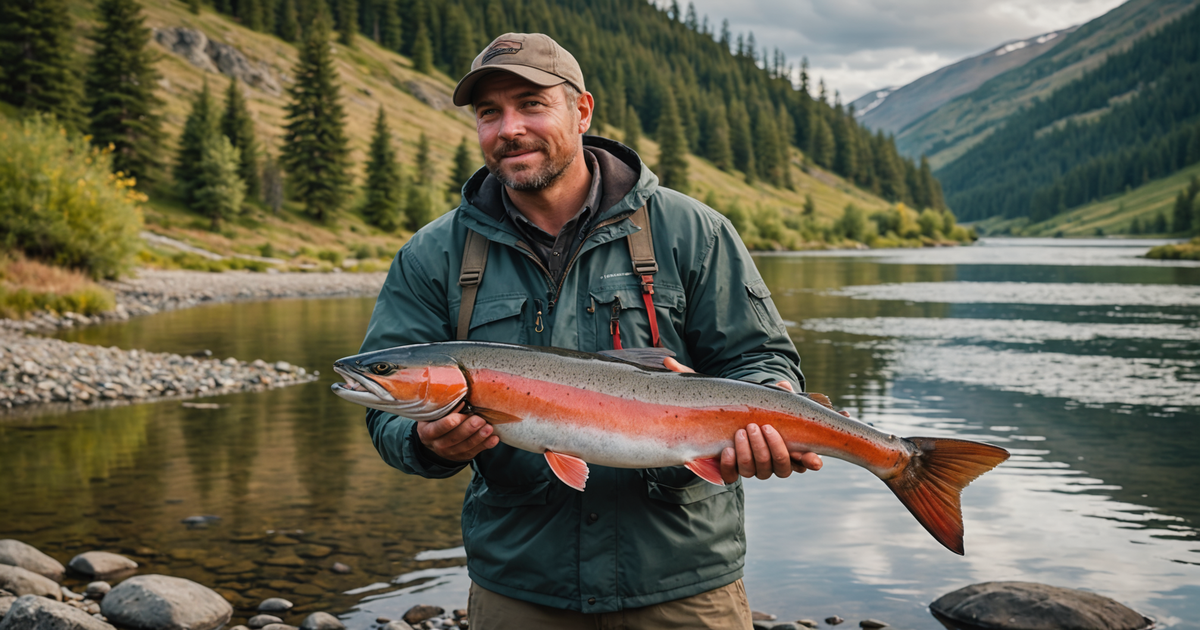
Sockeye Salmon are prized for their vibrant colour and rich flavour. They are more abundant than King Salmon, allowing for a more generous catch limit. Typically, anglers can catch up to three to six Sockeye Salmon per day, depending on the location.
Coho Salmon (Silver)
Coho Salmon are known for their aggressive behaviour, making them a favourite among sport fishers. The daily bag limit for Coho Salmon also varies by region but generally falls between two and six fish per person.
Pink Salmon (Humpy)
Pink Salmon are the most numerous of all the salmon species in Alaska. Due to their abundance, the limit for Pink Salmon is often higher, sometimes allowing up to six per day.
Chum Salmon (Dog)
Chum Salmon, though not as popular as other species, still provide an exciting fishing opportunity. The daily limit for Chum Salmon is usually similar to that of Pink Salmon, allowing several fish per day.
Planning Your Trip
Selecting the Right Destination
Choosing the right fishing destination is pivotal for a successful trip. Explore the Kenai Peninsula or the Historic Chulitna River Lodge for a diverse fishing experience. Each location offers unique opportunities and distinct fish populations.
Timing Your Visit
The timing of your visit is crucial to match the peak salmon runs. To maximise your chances of a bountiful catch, familiarize yourself with the Alaska salmon season. Generally, the peak season for salmon fishing in Alaska runs from May through September, but this can vary by species and location.
Gear and Techniques
Having the right gear is essential for a successful fishing adventure. Consider investing in high-quality fishing gear and familiarize yourself with effective fishing techniques. For instance, using high-spin salmon spinners can significantly increase your chances of a successful catch.
Understanding Local Regulations
Before heading out, ensure you are well-versed with local fishing regulations. The NOAA Fisheries provides comprehensive guidelines on sport fishing in Alaska. Being informed not only ensures compliance but also enhances the overall fishing experience.
Responsible Fishing Practices
Adopting sustainable fishing practices is vital to preserve Alaska’s pristine ecosystems. Practise catch and release when necessary, and always adhere to the principles of Leave No Trace to minimise your environmental impact.
Conclusion
Fishing in Alaska offers an unparalleled experience, combining the thrill of the catch with the serenity of nature. By understanding and respecting the limit on salmon in Alaska, anglers can contribute to the preservation of these vital fish populations. Whether you’re a seasoned angler or a novice embarking on your first adventure, planning your trip with consideration for local regulations and timing ensures a rewarding and responsible fishing experience.
FAQ
1. What are the current limits for King Salmon in Alaska?
The typical daily limit for King Salmon is one per person, with an annual limit of three in many areas. However, limits can vary, so it’s essential to check the ADF&G regulations.
2. When is the best time to fish for salmon in Alaska?
The peak season for salmon fishing is generally from May through September, but this can vary by species and location. For precise timing, consult resources on the Alaska salmon season.
3. What gear should I bring for salmon fishing?
Invest in quality gear, such as high-spin salmon spinners, and consider local conditions when selecting your equipment.
4. How can I find a good fishing spot in Alaska?
Consider exploring destinations like the Kenai Peninsula or the Chulitna River Lodge for a diverse fishing experience.
5. Are there any specific regulations I should be aware of?
Yes, always review the NOAA Fisheries regulations and local fishing rules to ensure compliance.
6. What is the daily limit for Sockeye Salmon?
The daily limit for Sockeye Salmon typically ranges from three to six fish, depending on the location.
7. Can I fish for all types of salmon in one day?
While you can fish for multiple species, you must adhere to the specific limits for each type of salmon as outlined by the ADF&G.
8. What are the best practices for sustainable fishing?
Practise catch and release when needed, adhere to Leave No Trace principles, and follow all regulations to ensure a sustainable fishing experience.