
Introduction
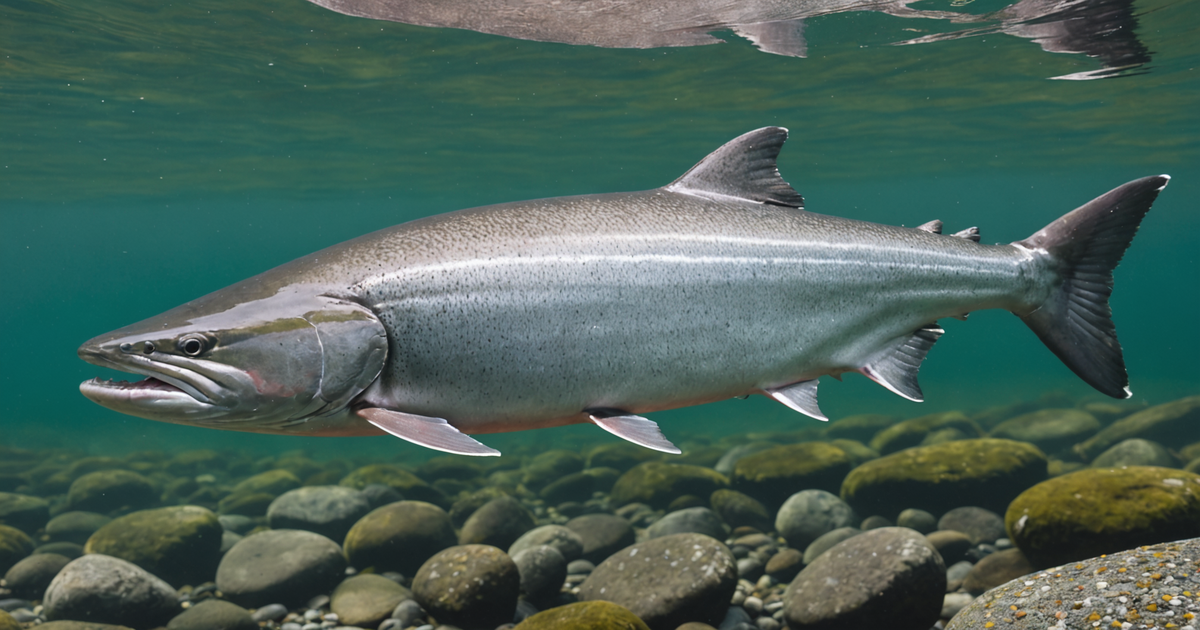
Pink salmon, scientifically known as Oncorhynchus gorbuscha, is a vital species in Alaska’s rich aquatic ecosystem. These salmon are the smallest of the Pacific salmon species, but they are abundant and popular among anglers. While “pink salmon” is the most common name, the fish is known by various other names, reflecting its diverse presence across regions and cultures. In this blog post, we delve into the different names for pink salmon and explore the significance of this species in Alaska’s fishing culture. For more detail, see official guidance.
Other Names for Pink Salmon
Humpback Salmon. For more detail, see further information.
One of the most widely used alternate names for pink salmon is “humpback salmon.” This moniker arises from the distinctive physical feature that the males develop during spawning season. A pronounced dorsal hump forms, giving the males a unique, easily identifiable appearance. This transformation is particularly evident in rivers across Alaska, making “humpback” a fitting descriptor during these seasonal migrations. For more detail, see detailed advice.
Humpy. For more detail, see planning resources.
The name “humpy” is an affectionate abbreviation of “humpback,” used frequently by local anglers and fishing communities. The term captures the familiarity and fondness that many Alaskans have for this plentiful species. Humpies are a staple for recreational fishing, and knowing the best salmon jigs for rivers and tides can enhance your fishing experience. For more detail, see local insights.
Gorbuscha
In scientific and some international contexts, pink salmon are referred to as “gorbuscha.” This name is derived from the species’ Latin name, Oncorhynchus gorbuscha. While less common in everyday conversation, “gorbuscha” is often used in academic and regulatory settings, such as those overseen by the Alaska Department of Fish and Game.
Puget Sound Salmon
In certain regions, particularly around Puget Sound, pink salmon are sometimes referred to by this geographical indicator. This name highlights the species’ significant presence in the coastal waters of Washington State, extending the fish’s cultural and ecological importance beyond Alaska. The Puget Sound area is renowned for its rich marine life, making it a prime location for observing pink salmon in their natural habitat.
Alaskan Pink
Given the species’ abundance in Alaska, “Alaskan pink” is a straightforward and descriptive name. This name emphasises the fish’s prominence in the state’s waters and its role in local fishing industries. For those planning to fish in Alaska, understanding these regional names can enhance communication with local anglers and guides.
Importance of Pink Salmon in Alaska
Ecological Role
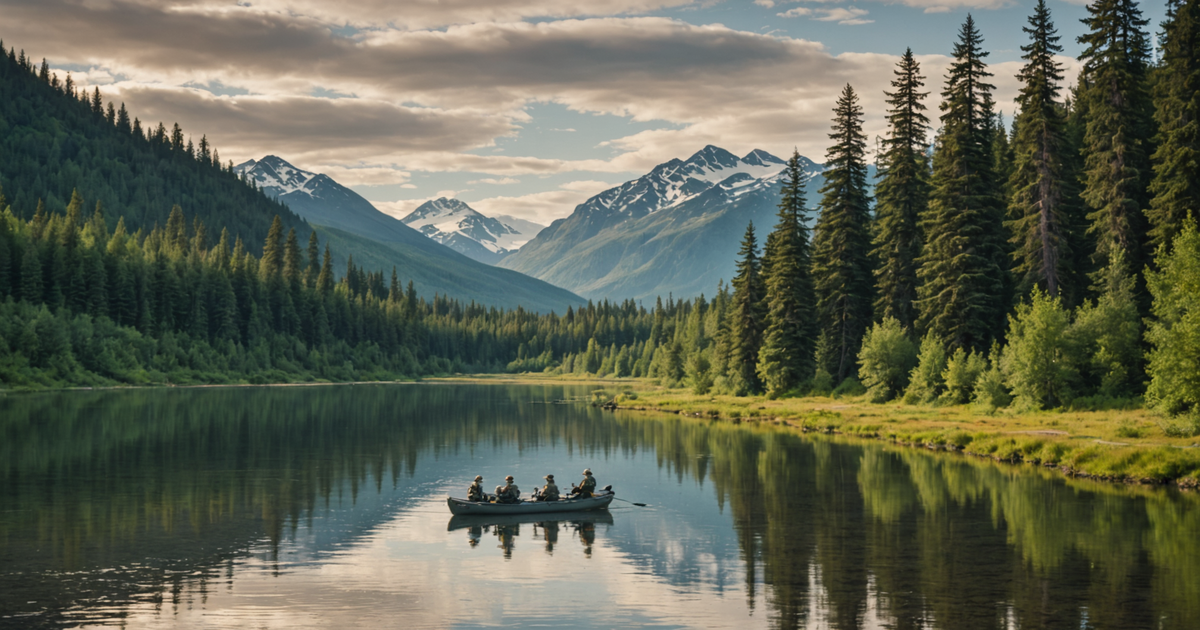
Pink salmon play a crucial role in the Alaskan ecosystem. They are a key food source for predators such as bears, eagles, and other fish. Their spawning activities contribute to nutrient cycling in freshwater streams, supporting the health of aquatic environments.
Economic Significance
The commercial fishing industry highly values pink salmon, contributing significantly to Alaska’s economy. Their abundance and ease of harvest make them a staple in the fishery sector, supporting both local and national markets.
Recreational Fishing
For recreational anglers, pink salmon are an accessible and rewarding catch. Their predictable runs and abundant numbers make them a favourite target for both novice and experienced fishermen. Knowing when to fish for halibut can also enhance a fishing trip, as many anglers pursue multiple species during their Alaskan adventures.
Cultural Impact
Pink salmon hold cultural significance for Indigenous communities in Alaska. They are not only a vital food source but also play a role in traditional ceremonies and practices. Understanding these cultural connections enriches our appreciation of the species beyond its ecological and economic value.
Conclusion
Pink salmon, known by many names such as humpback, humpy, and gorbuscha, are a cornerstone of Alaska’s aquatic life. Their ecological, economic, and cultural importance cannot be overstated. Whether you are planning a fishing trip or simply exploring the natural beauty of Alaska, recognising the various names and roles of pink salmon can deepen your understanding and connection to this remarkable region.
FAQ
What are the other names for pink salmon?
Pink salmon are known by several names, including humpback salmon, humpy, gorbuscha, Puget Sound salmon, and Alaskan pink.
Why are pink salmon called humpback salmon?
The name “humpback salmon” comes from the distinctive hump that male pink salmon develop during the spawning season.
Where can I fish for pink salmon in Alaska?
Pink salmon are abundant in many Alaskan rivers. For more specific destinations, you might consider exploring guided fishing tours for the best experience.
Are pink salmon important to the Alaskan economy?
Yes, pink salmon are crucial to Alaska’s commercial fishing industry due to their abundance and demand in the market.
How do pink salmon contribute to the ecosystem?
Pink salmon are vital for nutrient cycling in aquatic environments and serve as a food source for a variety of predators.
What is the best time of year to catch pink salmon in Alaska?
Pink salmon typically run in the summer months, from late June through September, depending on the region.
Are there specific fishing techniques for catching pink salmon?
Yes, using the best salmon jigs for rivers and tides can improve your chances of a successful catch.
What cultural significance do pink salmon have in Alaska?
Pink salmon are integral to the traditions and diets of Indigenous communities in Alaska, holding both nutritional and ceremonial importance.