
Introduction
Salmon fishing in Alaska is an exhilarating experience, offering anglers the chance to encounter some of the largest and most magnificent fish in the world. Among the many questions enthusiasts ponder, “What is the biggest salmon ever caught?” stands out as a perennial favourite. The allure of reeling in a record-breaking catch draws adventurers to Alaska, a region renowned for its abundant and diverse salmon population. This blog post delves into the fascinating world of salmon fishing in Alaska, exploring record catches, the types of salmon available, and tips for anglers looking to make their own mark in fishing history. For more detail, see official guidance.
The Types of Salmon in Alaska
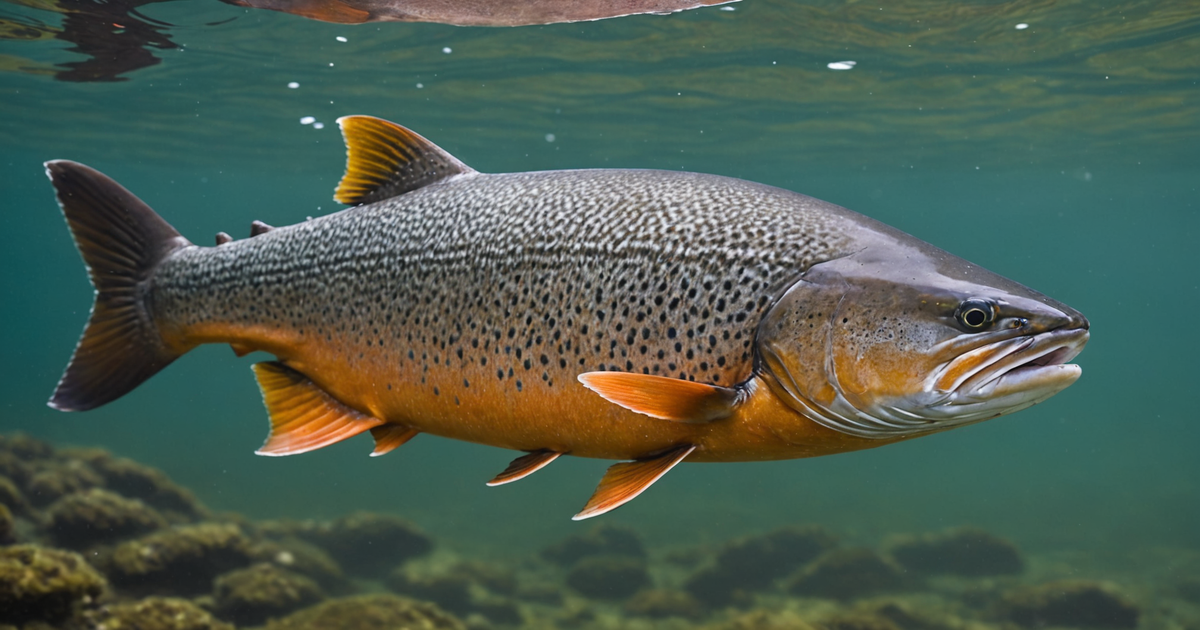
Alaska is home to five main species of Pacific salmon: Chinook (King), Sockeye (Red), Coho (Silver), Pink (Humpback), and Chum (Dog). Each species has unique characteristics, making them popular among both amateur and professional anglers. The Chinook salmon, or King salmon, is the largest of these species and often the target of those seeking to catch the biggest salmon. Known for their size and strength, King salmon are a true test of an angler’s skill and equipment. For more detail, see further information.
To learn more about the best equipment for tackling these mighty fish, you might find the fishing equipment category on Alaska Adventure Guides particularly useful. For more detail, see detailed advice.
Record-Breaking Salmon Catches
The record for the largest salmon ever caught is held by a Chinook salmon weighing in at an astonishing 97 pounds and 4 ounces. This colossal catch was made in the Kenai River, Alaska, in 1985 by Lester Anderson. This record remains unbeaten, despite many anglers attempting to break it each year. The Kenai River is famed for its large salmon, partly due to its nutrient-rich waters, which provide an ideal environment for fish growth. For more detail, see planning resources.
For those interested in planning their own Alaskan fishing adventure, Travel Alaska offers comprehensive resources on planning your fishing trip, including the best times and locations for salmon fishing. For more detail, see local insights.
Fishing Techniques for Catching Big Salmon
Catching a record-breaking salmon requires more than just luck. Anglers need to employ the right techniques and equipment. Popular methods include trolling, drift fishing, and fly fishing. Each technique has its own merits, depending on the specific conditions and salmon species being targeted.
For those new to salmon fishing or looking to refine their skills, exploring guides on how to fish Brad’s Super Baits can provide invaluable insights into effective baiting strategies.
Best Locations for Salmon Fishing in Alaska
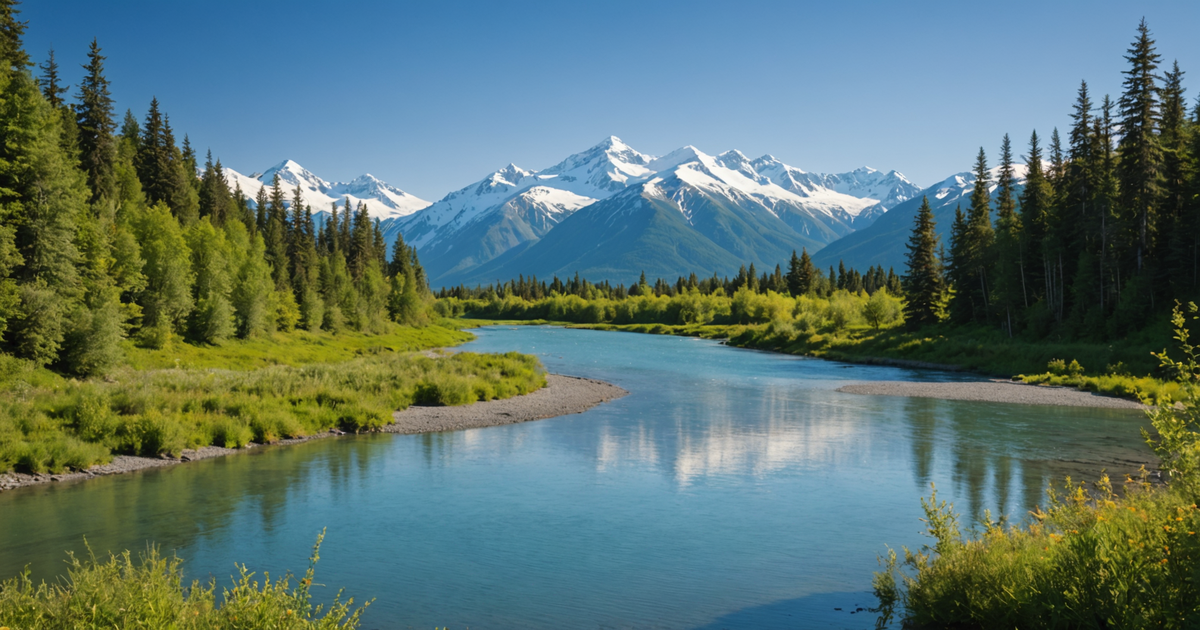
Alaska boasts numerous prime locations for salmon fishing beyond the Kenai River. The Copper River, known for its Sockeye salmon, and the Yukon River, famous for its King salmon, are just a couple of examples. Each location offers a unique fishing experience, with varying landscapes and salmon runs.
For those seeking expert guidance, all guided fishing tours in Alaska provide tailored experiences, ensuring anglers can make the most of their trip.
Conservation and Regulations
Salmon fishing in Alaska is subject to strict regulations to preserve fish populations and their habitats. The Alaska Department of Fish and Game (ADFG) is responsible for managing these regulations, ensuring sustainable fishing practices are followed. Anglers need to be aware of the current regulations, which can vary by location, species, and time of year.
For the latest information on fishing regulations, the ADFG official site is an essential resource.
Conclusion
Alaska remains a premier destination for anglers worldwide, offering the chance to reel in some of the largest salmon on the planet. With its diverse species, record-breaking potential, and breathtaking landscapes, Alaska is a haven for fishing enthusiasts. By understanding the types of salmon, the best fishing techniques, and adhering to regulations, anglers are well-equipped to embark on a successful fishing expedition.
FAQ
What is the biggest salmon ever caught in Alaska?
The largest salmon ever caught in Alaska was a Chinook (King) salmon, weighing 97 pounds and 4 ounces, caught in the Kenai River in 1985.
Which type of salmon is the largest?
The Chinook salmon, also known as the King salmon, is the largest type of Pacific salmon.
Where are the best locations for salmon fishing in Alaska?
Prime locations include the Kenai River, Copper River, and Yukon River, each offering unique opportunities for catching salmon.
What are the essential techniques for catching big salmon?
Popular techniques include trolling, drift fishing, and fly fishing. Utilizing the right equipment and bait, such as those discussed in the best salmon jigs for rivers and tides, can enhance success rates.
How can I plan a fishing trip to Alaska?
Resources like Travel Alaska offer comprehensive guides on planning a fishing trip, including details on the best times and locations for fishing.
Are there regulations I need to be aware of when fishing in Alaska?
Yes, fishing in Alaska is subject to regulations to ensure sustainable practices. The ADFG provides up-to-date information on these regulations.
What equipment do I need for salmon fishing in Alaska?
The type of equipment varies based on the fishing technique and salmon species targeted. For detailed equipment guides, check the fishing category on Alaska Adventure Guides.
Why is Alaska such a popular destination for salmon fishing?
Alaska’s abundant salmon populations, diverse fishing locations, and stunning natural landscapes make it a top choice for anglers seeking adventure and potential record-breaking catches.