
Introduction
Alaska is synonymous with rugged wilderness and abundant wildlife, and among its natural treasures is the majestic salmon. Known for their incredible journeys from the ocean to freshwater streams, salmon hold a special place in the culture and economy of the region. A subject of fascination for anglers worldwide, salmon are notably famous for their size, strength, and the challenging sport they offer. But what is the largest salmon ever caught, and how does Alaska play into this narrative? In this comprehensive exploration, we delve into the record-breaking catches and the allure of Alaskan fishing. For more detail, see official guidance.
The Largest Salmon Ever Caught
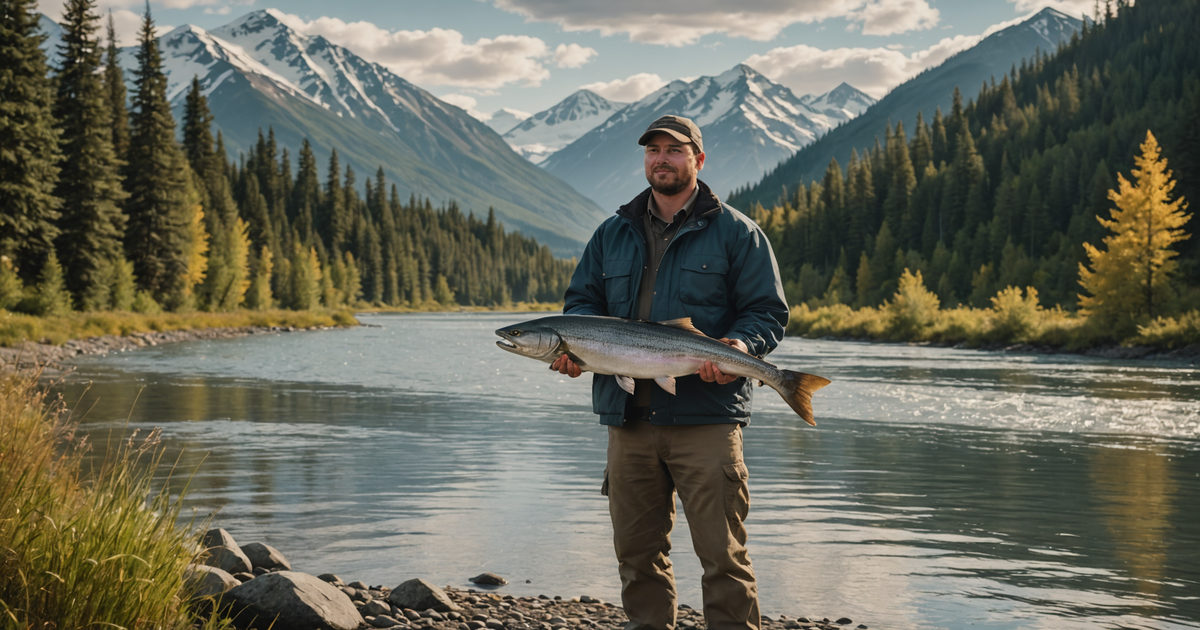
Salmon species vary in size, with some growing significantly larger than others. The title of the largest salmon ever caught belongs to the Chinook salmon or “King” salmon, as it’s known for its impressive size and strength. On 17 May 1985, a record-breaking Chinook salmon was caught on the Kenai River in Alaska. This colossal fish weighed a staggering 97 pounds and 4 ounces and was reeled in by Les Anderson. The Kenai River, renowned for its excellent fishing opportunities, has since been a go-to location for anglers hoping to match or break this record. For more detail, see further information.
Alaska: A Salmon Angler’s Paradise
Alaska’s diverse waterways provide ideal habitats for several salmon species, including Chinook, Coho, Sockeye, Pink, and Chum salmon. The state’s extensive network of rivers, streams, and coastal waters offers a unique and varied fishing experience. The Kenai Peninsula, in particular, is celebrated for its salmon runs and attracts anglers from across the globe. Visitors looking to explore this region further can find detailed destination information and travel tips to plan their fishing adventures. For more detail, see detailed advice.
Alaska’s fishing season is as diverse as its landscapes. For those eager to partake in this sporting tradition, understanding when the Alaska salmon season really begins is crucial. Each type of salmon has its peak season, offering different opportunities throughout the year. For more detail, see planning resources.
The Ecological and Cultural Significance of Salmon in Alaska
Salmon are more than just a fishing target; they are pivotal to Alaska’s ecosystem and culture. These fish play a crucial role in nutrient cycling, as their spawning migrations bring ocean nutrients into inland ecosystems. Indigenous communities have relied on salmon for sustenance and cultural practices for centuries, and they remain a vital part of their heritage today. For more detail, see local insights.
The state’s management of its salmon resources is critical to sustaining this ecological balance. Organisations like the Alaska Department of Fish and Game ensure that fishing regulations maintain healthy salmon populations.
Techniques and Tips for Catching Large Salmon
Catching the largest salmon requires skill, patience, and the right equipment. Anglers often turn to specific techniques and gear to increase their chances of landing a giant. Understanding the best salmon jigs for rivers and tides can be instrumental in improving success rates. Additionally, knowing the appropriate fish jig head sizes and setups can make a significant difference in various fishing environments.
For those new to the sport or seeking to refine their skills, exploring angling tips and strategies can provide valuable insights into the nuances of salmon fishing.
Preserving the Legacy of Salmon Fishing
The future of salmon fishing in Alaska hinges on sustainable practices and conservation efforts. Overfishing, habitat destruction, and climate change pose significant threats to salmon populations worldwide. It is crucial for both seasoned anglers and newcomers to adhere to responsible fishing guidelines to ensure that these magnificent fish continue to thrive.
Participating in catch-and-release practices, respecting bag limits, and supporting conservation initiatives are key actions that can help preserve the salmon fishing tradition for future generations.
Conclusion
The allure of catching the largest salmon ever is a compelling draw for anglers worldwide, and Alaska stands as one of the premier destinations for this pursuit. Beyond the thrill of the catch, salmon are integral to the ecological and cultural tapestry of the region. By appreciating their significance and committing to sustainable fishing practices, we can ensure that the legacy of salmon fishing in Alaska endures for generations to come.
FAQ
What is the largest salmon species?
The largest salmon species is the Chinook salmon, also known as King salmon, renowned for its size and strength.
Where was the largest salmon ever caught?
The largest salmon ever caught was a Chinook salmon caught in the Kenai River, Alaska, weighing 97 pounds and 4 ounces.
When is the best time to fish for salmon in Alaska?
The best time varies by species, but generally, the summer months from May to September offer peak fishing opportunities. For more detailed information, check out Alaska salmon season timings.
How can I improve my chances of catching a large salmon?
Utilising the best salmon jigs and understanding tide conditions can significantly improve your chances of catching a large salmon.
What are the key regulations for salmon fishing in Alaska?
Salmon fishing regulations in Alaska are managed by the Alaska Department of Fish and Game. These include specific bag limits, gear restrictions, and seasonal closures to ensure sustainable fishing practices.
Why are salmon important to Alaska’s ecosystem?
Salmon are crucial for nutrient cycling, bringing ocean nutrients into freshwater ecosystems, thus supporting diverse wildlife. They also hold cultural significance for indigenous communities.
Are there guided fishing tours available in Alaska?
Yes, there are numerous fishing charters and guided tours available throughout Alaska, offering tailored experiences for both novice and experienced anglers.
What conservation efforts exist to protect Alaskan salmon?
Conservation efforts include habitat restoration, sustainable fishing practices, and monitoring of fish populations, coordinated by agencies such as the NOAA Fisheries.