
Introduction
Alaska is renowned for its diverse wildlife and breathtaking landscapes, offering a paradise for anglers worldwide. Among its many natural treasures, the Pacific salmon breeds stand out as iconic representatives of the state’s aquatic bounty. These fish not only support a rich ecosystem but also play a crucial role in the cultural and economic fabric of the region. If you’re planning to fish Alaska’s waters, understanding the unique characteristics of each salmon breed can enhance your experience. This guide will delve into the distinguishing features of Pacific salmon, their habitats, and tips for planning guided trips to catch these magnificent species. For more detail, see official guidance.
The Five Pacific Salmon Breeds
Chinook Salmon (Oncorhynchus tshawytscha). For more detail, see further information.
The Chinook salmon, also known as King salmon, is the largest of the Pacific salmon breeds. Known for its robust size and rich flavour, it is a prized catch among anglers. Chinooks are typically found in large river systems and coastal waters from California to Alaska. They are identified by their blue-green back, silvery sides, and distinctive black spots on their tails. For more detail, see detailed advice.
Chinook salmon are a favourite target in Alaskan waters, and fishing for them requires specific techniques. For more tips on effective fishing methods, check out these fishing techniques. For more detail, see planning resources.
Sockeye Salmon (Oncorhynchus nerka). For more detail, see local insights.
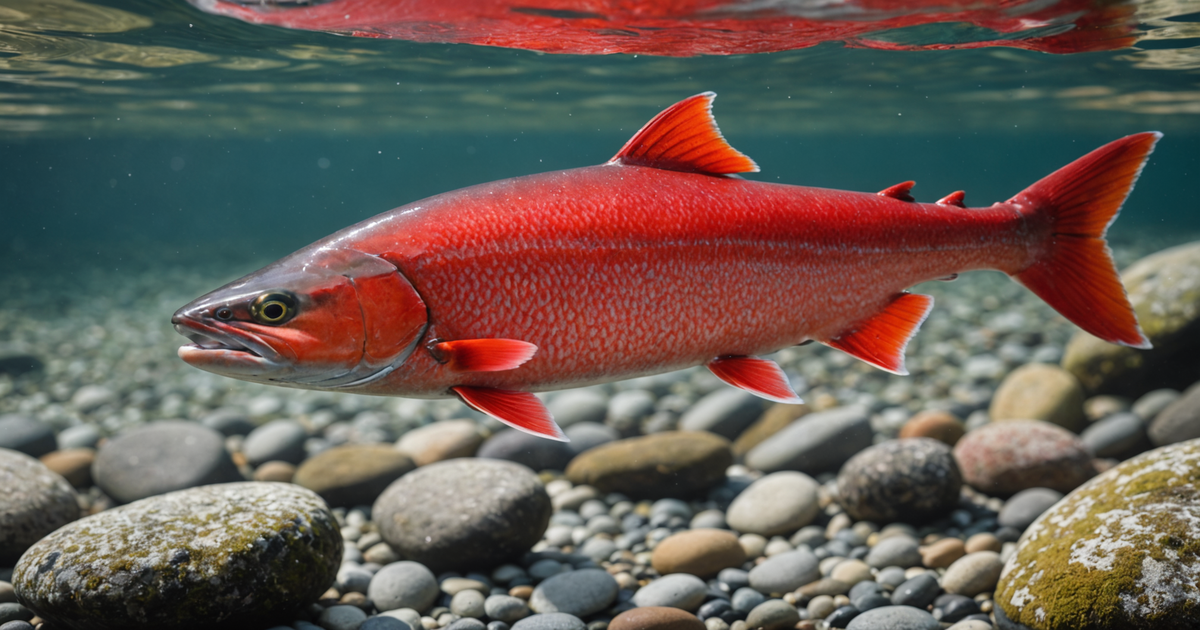
Sockeye salmon, or Red salmon, are smaller than Chinooks but boast a vibrant red colour during spawning. They are primarily found in the pristine lakes and rivers of Alaska and are known for their excellent taste. Sockeyes are plankton feeders, which makes them unique among Pacific salmon breeds, and they require different strategies to catch.
When planning your trip to fish for Sockeye salmon, consider exploring Alaskan fishing charters for a guided experience.
Coho Salmon (Oncorhynchus kisutch)
Also referred to as Silver salmon, Coho salmon are popular for sport fishing due to their acrobatic behaviour when hooked. They inhabit both freshwater and saltwater environments. Coho salmon are distinguished by their silver sides and dark-blue backs, and during spawning, they develop bright red sides and dark heads.
To maximise your chances of landing a Coho, using the right equipment is crucial. Learn more about the top salmon flashers that can help you strike success.
Pink Salmon (Oncorhynchus gorbuscha)
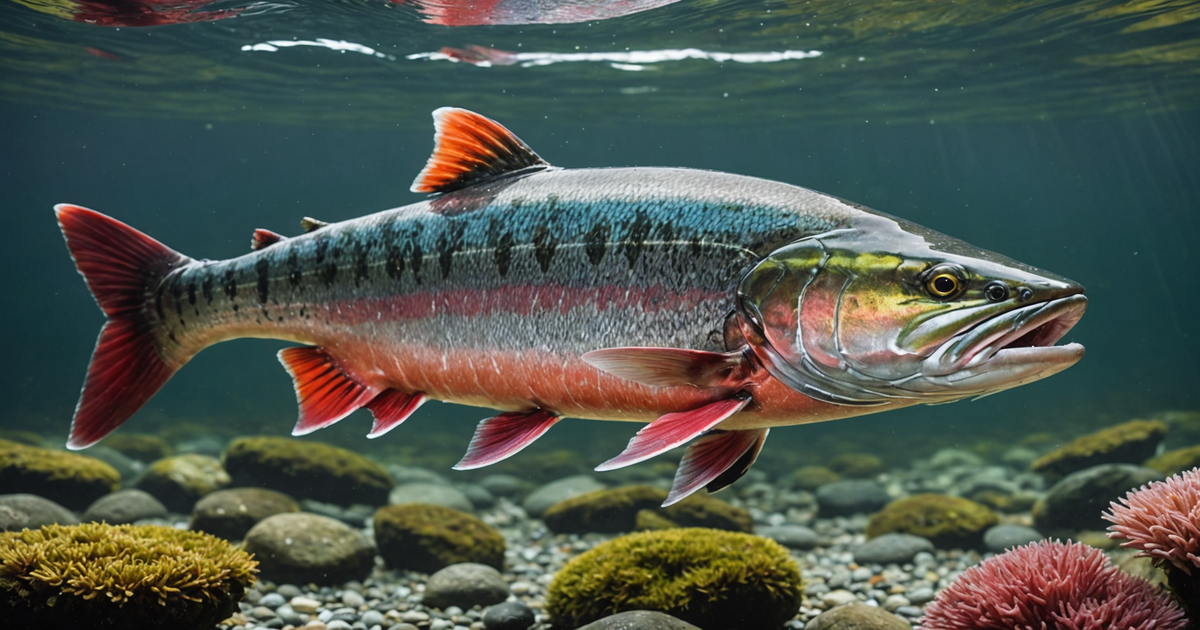
Pink salmon, or Humpies, are the most abundant and smallest of the Pacific salmon breeds. They are easily identified by their light pink flesh and the prominent hump that males develop during spawning. Pinks are typically found in vast numbers along the Pacific coast and are known for their two-year life cycle.
These salmon are less targeted by anglers due to their size, but they offer a perfect opportunity for novice fishers. For more on beginner fishing options, check out self-guided fishing trips in Alaska.
Chum Salmon (Oncorhynchus keta)
Chum salmon, also known as Dog salmon, are known for their striking colour changes during spawning, where they develop bright red and purple streaks along their sides. They are typically found in the coastal waters of Alaska and are valued for their roe rather than their flesh.
Fishing for Chum salmon can be a unique experience, and understanding their spawning habits can increase your success. For more insights, explore articles on Alaska fishing techniques.
Planning Your Alaskan Salmon Fishing Trip
Fishing for Pacific salmon in Alaska requires careful planning. The best times and locations for fishing vary depending on the salmon breed. For example, Chinook salmon runs typically occur from May through July, while Coho salmon are most abundant from July to September.
To ensure a successful trip, consider engaging in guided fishing tours which offer expert guidance and access to prime fishing spots. It’s also essential to familiarize yourself with the fishing regulations to ensure compliance with local laws.
If you’re interested in combining your fishing adventure with other Alaskan experiences, visit the Alaska Adventure Guides for a comprehensive list of tours and excursions.
Conclusion
The Pacific salmon breeds are an integral part of Alaska’s natural heritage, offering unparalleled opportunities for anglers to experience the thrill of the catch while surrounded by some of the most breathtaking landscapes on Earth. By understanding the unique characteristics and habitats of each salmon breed, you can tailor your fishing strategies and enhance your adventure. Whether you’re a seasoned angler or a novice eager to explore, Alaska’s salmon fishing offers something for everyone.
FAQ
What are the main Pacific salmon breeds found in Alaska?
The primary Pacific salmon breeds in Alaska include Chinook (King), Sockeye (Red), Coho (Silver), Pink (Humpback), and Chum (Dog) salmon.
When is the best time to fish for Pacific salmon in Alaska?
The fishing season for Pacific salmon varies by species, with Chinook typically running from May to July, and Coho from July to September. Always check the Alaska Department of Fish and Game for current information.
What is the most popular Pacific salmon for sport fishing?
Coho salmon are highly popular among sport fishers due to their size and vigorous fight. They are commonly targeted in Alaskan waters.
How can I plan a guided fishing trip in Alaska?
Consider booking through reputable fishing charters which offer guided experiences tailored to your needs. They provide local expertise and access to prime fishing locations.
Are there specific regulations for salmon fishing in Alaska?
Yes, fishing regulations are in place to manage salmon populations sustainably. It is crucial to review the current regulations before your trip.
What equipment is recommended for salmon fishing in Alaska?
The choice of equipment depends on the salmon breed. For instance, using specific salmon flashers can enhance success when targeting Coho salmon.
Can I combine salmon fishing with other outdoor activities in Alaska?
Absolutely. Alaska offers various outdoor adventures including kayak flyfishing and hiking, which can be seamlessly integrated into your fishing itinerary.
Where can I find more information on fishing techniques and strategies?
For comprehensive strategies and techniques, explore resources such as Fly Fishing Alaska and other dedicated fishing platforms.