
Introduction
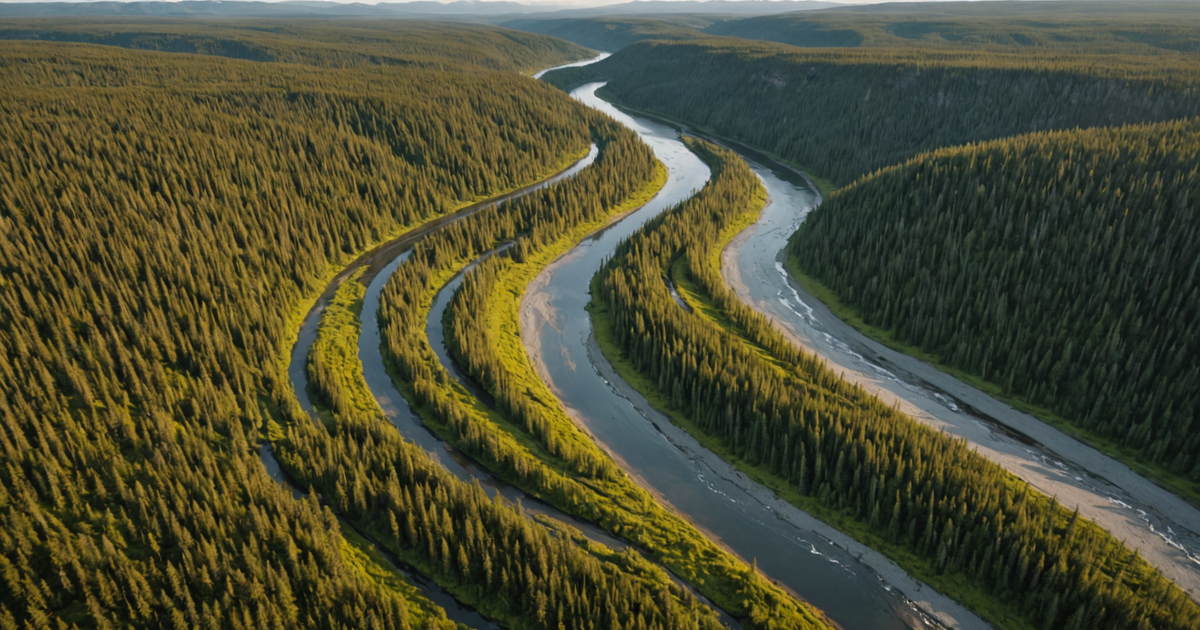
Alaska is a dream destination for many anglers worldwide, offering some of the most pristine and remote fishing experiences available. Among the diverse array of fish species that call Alaska home, the northern pike stands out as a formidable and thrilling catch. Known for their aggressive behaviour and impressive size, these freshwater predators provide an exhilarating challenge for even the most seasoned fishermen. In this guide, we will explore the essentials of Alaska northern pike fishing, delve into the best times and places to cast your line, and highlight how you can book the perfect guided trip to enhance your adventure. For more detail, see official guidance.
Understanding the Northern Pike
Characteristics and Behaviour. For more detail, see further information.
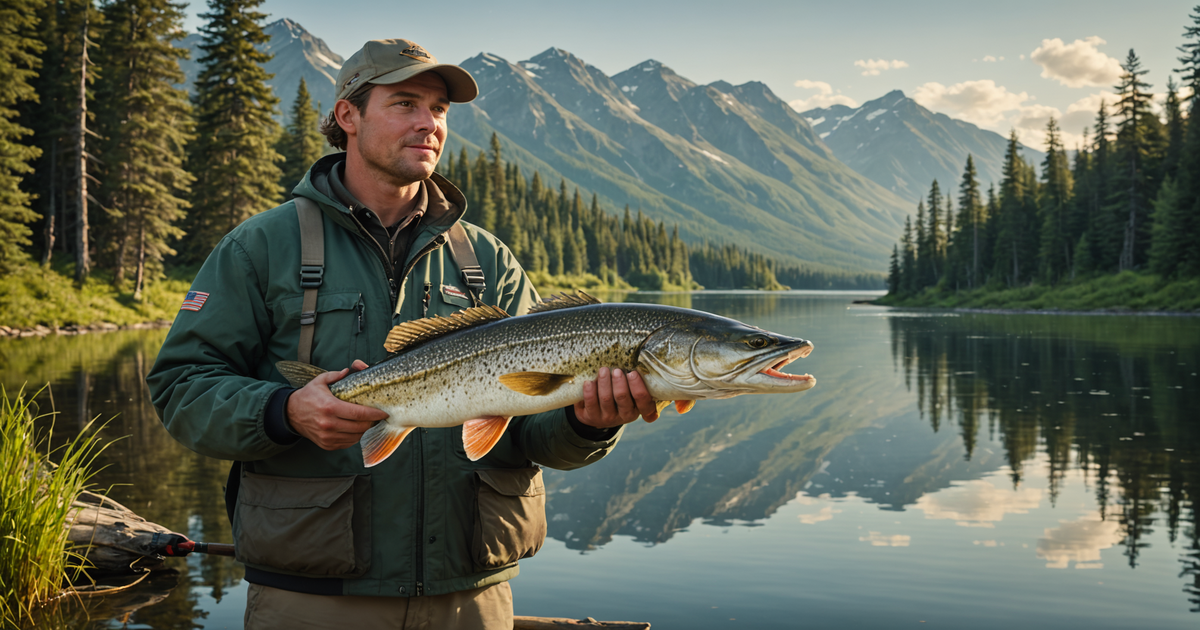
The northern pike, scientifically known as Esox lucius, is a carnivorous fish native to the northern hemisphere. These fish are renowned for their elongated bodies, sharp teeth, and voracious appetites. They can grow up to 150 cm in length and weigh as much as 25 kg, making them a substantial prize for any angler. Found in lakes, rivers, and reservoirs, they prefer slow-moving water with plenty of aquatic vegetation, which provides ample cover to ambush prey. For more detail, see detailed advice.
Habitat in Alaska. For more detail, see planning resources.
Alaska’s vast wilderness offers ideal habitats for northern pike, particularly in the interior and south-central regions. The Alaska Department of Fish and Game regulates fishing in these areas to ensure sustainable practices and preserve the natural ecosystems. Before embarking on your fishing trip, consult the regulations to understand the specific rules governing pike fishing in your chosen location. For more detail, see local insights.
Planning Your Alaska Northern Pike Fishing Trip
Best Locations
Some of the most productive waters for northern pike fishing in Alaska include the Minto Flats, Innoko River, and the lakes of the Kenai Peninsula. Each location offers unique challenges and opportunities:
- Minto Flats: Situated in the interior region, Minto Flats is renowned for its labyrinth of waterways teeming with northern pike. The vast wetland ecosystem provides ideal conditions for these predators and is accessible via floatplane or boat.
- Innoko River: Known for its remote and wild setting, the Innoko River offers some of the best pike fishing in the state. The river’s winding channels and oxbow lakes create perfect habitats for large pike.
- Kenai Peninsula Lakes: These lakes provide a more accessible option for anglers looking to stay closer to Anchorage. With a variety of lodges and outfitters, the Kenai Peninsula offers both convenience and quality fishing.
Best Times to Fish
The prime time for northern pike fishing in Alaska runs from late spring through early autumn, with peak activity occurring in June and July. During this period, the fish are most active, taking advantage of the warmer temperatures and abundant prey. Early morning and late afternoon are particularly fruitful times to cast your line, as pike are more likely to be hunting during these cooler parts of the day.
Booking a Guided Trip
For those seeking a comprehensive and hassle-free experience, booking a guided fishing trip is highly recommended. Professional guides offer invaluable local knowledge, access to prime fishing spots, and the necessary equipment to enhance your adventure. Alaska Adventure Guides provides a range of guided trips tailored to different skill levels and preferences, ensuring a memorable and successful outing.
Fishing Techniques and Equipment
Recommended Gear
Successful pike fishing requires the right equipment, including a sturdy rod and reel, heavy-duty line, and a variety of lures. Wire leaders are essential to prevent the pike’s sharp teeth from snapping your line. For those interested in enhancing their tackle box, consider exploring salmon spinners that get bit for versatile options that can also attract pike.
Effective Techniques
Northern pike are known for their aggressive strikes, making them a thrilling target for anglers. Techniques such as trolling, casting, and fly fishing can all be effective, depending on the conditions and personal preference. For further insights into effective techniques, Fish Alaska Magazine offers a wealth of information on fly fishing and other methods suitable for pike.
Conclusion
Alaska northern pike fishing offers an unparalleled adventure for those seeking to test their skills against one of the most formidable freshwater predators. With its breathtaking landscapes, abundant wildlife, and diverse fishing opportunities, Alaska is truly a haven for anglers. Whether you are a seasoned veteran or a newcomer eager to experience the thrill of pike fishing, planning your trip carefully and considering guided options can greatly enhance your experience. Remember to check regulations and practice sustainable fishing to preserve these precious ecosystems for future generations.
FAQ
What is the best time of year for northern pike fishing in Alaska?
The best time for northern pike fishing in Alaska is from late spring to early autumn, with June and July being the peak months.
Do I need a fishing licence to fish for northern pike in Alaska?
Yes, a fishing licence is required. You can obtain one through the Alaska Department of Fish and Game.
Are there size and bag limits for northern pike in Alaska?
Yes, regulations vary by location, so it’s important to check the specific regulations for the area you plan to fish.
What gear should I bring for pike fishing?
Essential gear includes a sturdy rod and reel, heavy-duty line, wire leaders, and a selection of lures. Consider exploring fish jig heads sizes and setups for additional equipment insights.
Can I fish for pike in Alaska year-round?
While pike can be caught year-round, they are most active and accessible during the warmer months from late spring to early autumn.
How do I book a guided pike fishing trip in Alaska?
Booking a guided trip is straightforward with companies like Alaska Adventure Guides offering tailored experiences for all levels of anglers.
What are the primary habitats for northern pike in Alaska?
Northern pike are commonly found in lakes, rivers, and wetlands, particularly in the interior and south-central regions of Alaska.
Are guided trips suitable for beginner anglers?
Yes, guided trips are ideal for beginners, providing expert instruction, equipment, and access to prime fishing locations.