
Alaska Pike Fishing Tips | Fish Smarter. For more detail, see official guidance.
Meta Description: Improve your success with Alaska northern pike fishing tips from experienced local guides. For more detail, see further information.
Introduction
Alaska is a paradise for anglers, offering a wealth of fishing opportunities in its pristine waters. Among the many fish species that attract anglers to this remote and wild region, the northern pike stands out for its size and ferocity. Known for their aggressive strikes and powerful runs, northern pike present a thrilling challenge for even the most seasoned fishermen. This guide offers essential Alaska northern pike fishing tips to help you maximise your success and make the most of your Alaskan adventure. For more detail, see detailed advice.
Understanding Northern Pike Habitats
Northern pike are opportunistic predators, thriving in a variety of habitats across Alaska. These fish prefer shallow, weedy areas where they can ambush prey. In Alaska, pike can be found in lakes, rivers, and ponds, particularly those with ample vegetation. Understanding their preferred habitats is crucial for locating them effectively. For more detail, see planning resources.
During summer, pike often reside in shallow bays and weed beds, while in winter, they may move to deeper waters. Travel Alaska provides comprehensive information on fishing locations, which can be valuable for planning your trip. For more detail, see local insights.
Essential Gear for Pike Fishing
To tackle the formidable northern pike, you’ll need the right gear. A medium-heavy to heavy rod paired with a robust reel is recommended, as these fish are known for their strength. Braided line is favoured for its durability and sensitivity, allowing you to feel even the slightest nibbles.
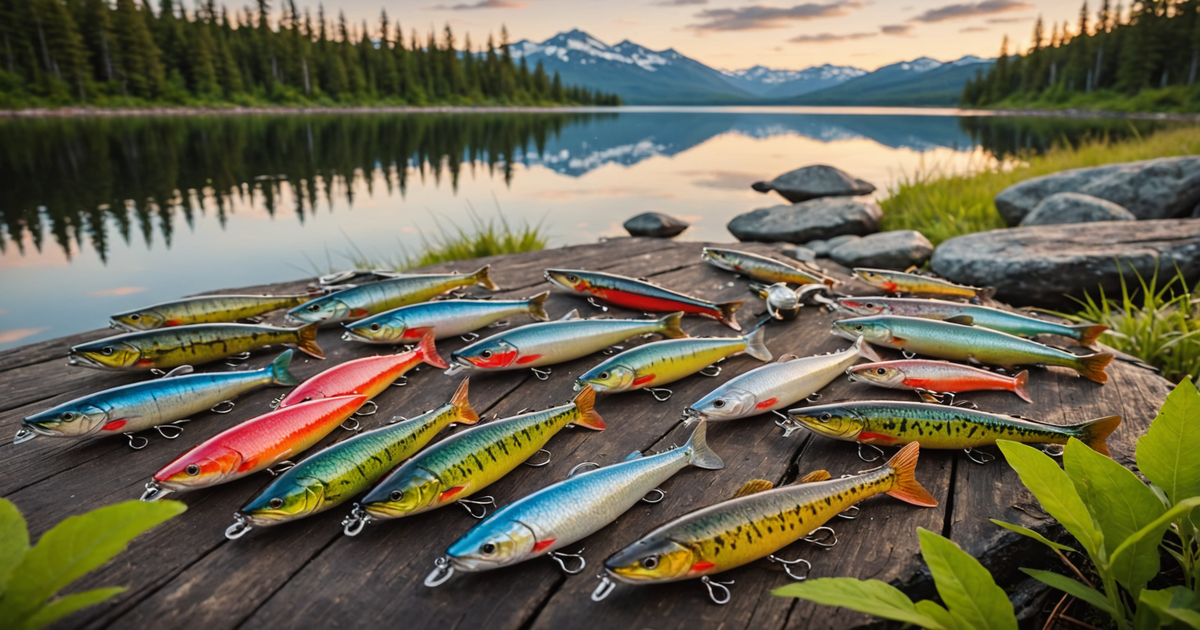
Lures are an essential component of your fishing arsenal. Pike are attracted to flashy, vibrant lures that mimic their prey. Consider using spoons, spinnerbaits, and crankbaits. For further insights on effective lures, visit Alaska Adventure Guides’ best plug fishing lures.
Techniques for Successful Pike Fishing
Casting and Retrieving
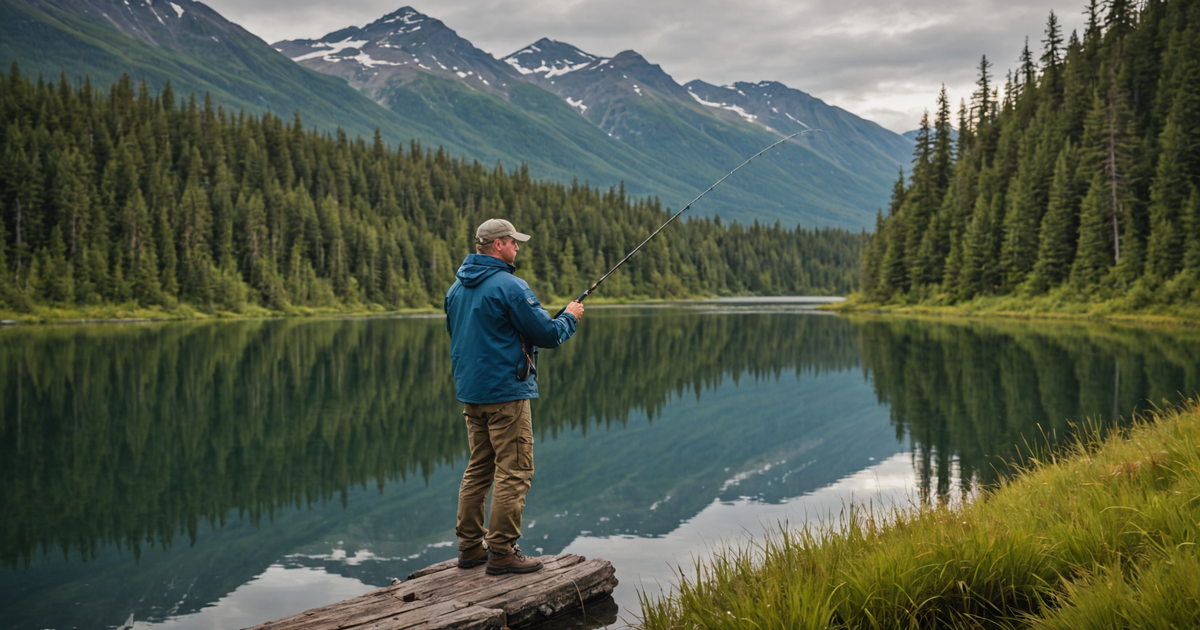
When targeting northern pike, casting and retrieving is a popular method. Cast your lure near weed beds or submerged structures, then retrieve it with a steady motion. Varying the speed and incorporating pauses can entice pike to strike. Pike are known for following lures before attacking, so be patient and ready for sudden strikes.
Fly Fishing
Fly fishing for pike can be incredibly rewarding. Large streamers are ideal for this technique, and using a wire leader can prevent pike from biting through your line. For more fly fishing tips, explore intoflyfishing.com.
Ice Fishing
In winter, ice fishing is a popular pursuit for pike enthusiasts. Drill holes near submerged vegetation and use tip-ups or jigging rods. Live bait, such as smelt or herring, can be particularly effective under the ice.
Safety and Regulations
Before embarking on your pike fishing adventure, it’s important to be aware of local regulations and safety guidelines. The Alaska Department of Fish and Game provides detailed regulations regarding fishing seasons, catch limits, and necessary permits. Familiarise yourself with these rules to ensure a legal and ethical fishing experience.
Local Expertise and Guided Tours
For those new to Alaskan waters or seeking to enhance their experience, hiring a local guide can be invaluable. Guides have in-depth knowledge of the best fishing spots and techniques, ensuring a productive and enjoyable outing. Discover fishing guides for expert assistance on your trip.
Conclusion
Fishing for northern pike in Alaska is a thrilling adventure that offers the chance to connect with nature in one of the world’s most pristine environments. By understanding pike habitats, equipping yourself with the right gear, and employing effective techniques, you can enhance your chances of success. Whether you’re a seasoned angler or a beginner, the stunning landscapes and abundant wildlife of Alaska provide an unforgettable backdrop for your fishing journey.
FAQ
1. What is the best time of year for pike fishing in Alaska?
The best time for pike fishing typically spans from late spring to early autumn when pike are most active. Ice fishing in winter can also yield excellent results.
2. Do I need a fishing license to fish for pike in Alaska?
Yes, a fishing license is required. You can obtain one through the Alaska Department of Fish and Game.
3. What are the bag limits for northern pike in Alaska?
Bag limits vary by region. It’s crucial to check current regulations via the Alaska Department of Fish and Game.
4. Can I fish for pike independently, or should I hire a guide?
While experienced anglers may fish independently, hiring a local guide can enhance your experience by providing expert knowledge and access to prime fishing locations.
5. Are there specific safety precautions to consider when fishing in Alaska?
Yes, always be prepared for unpredictable weather and wildlife. Carry safety gear, inform someone of your plans, and consider hiring a guide for added safety.
6. How can I learn more about different fishing techniques used in Alaska?
For comprehensive information on various techniques, visit Alaska Adventure Guides’ angling tips.
7. What types of lures work best for northern pike?
Flashy and vibrant lures such as spoons, spinnerbaits, and crankbaits are effective. For more lure recommendations, explore the best plug fishing lures.
8. Are there specific areas in Alaska known for excellent pike fishing?
Yes, regions such as the Yukon and Tanana River systems are renowned for pike fishing. Consult local resources or guides for specific locations.