
Introduction
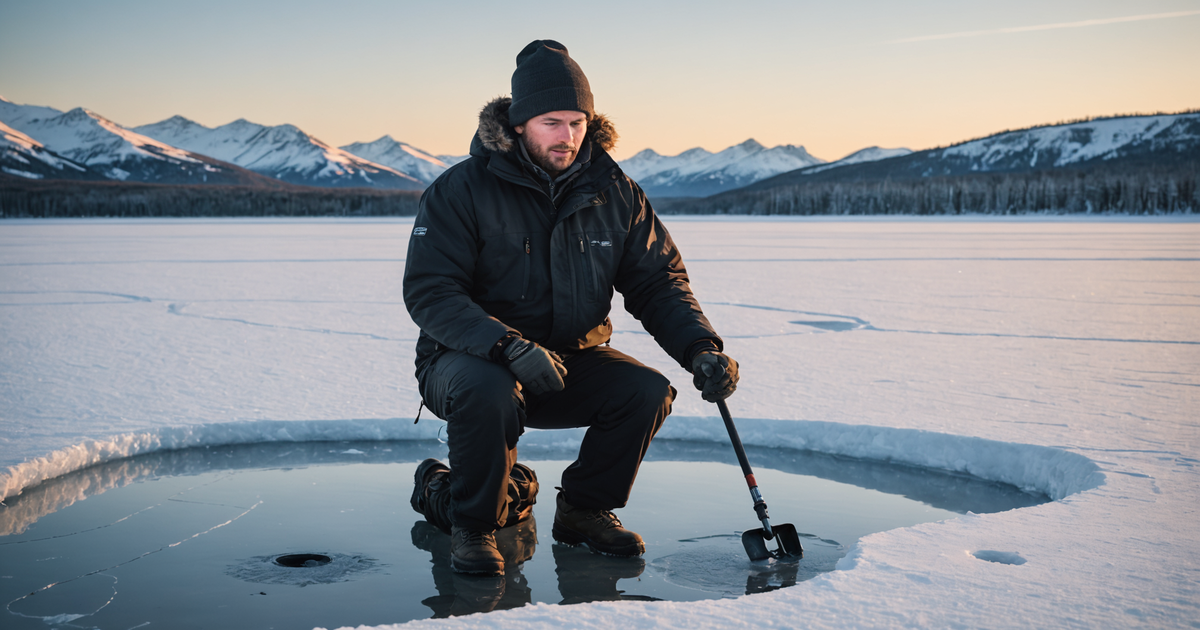
Alaska, with its vast wilderness and icy landscapes, offers an unparalleled experience for those seeking adventure. Among the many exciting activities available, ice fishing stands out as a unique way to connect with nature. For enthusiasts, booking Alaska ice fishing trips promises not only the thrill of catching fish but also the chance to explore some of the most stunning winter sceneries in the world. This guide will take you through everything you need to know about planning your ice fishing adventure in Alaska, from choosing the right location to understanding local regulations. For more detail, see official guidance.
Why Choose Alaska for Ice Fishing?
Alaska’s diverse aquatic ecosystems are home to a wide variety of fish species, making it a prime destination for ice fishing. The state offers numerous frozen lakes and rivers, providing ample opportunities for anglers to test their skills. Popular species include Northern Pike, Arctic Grayling, and various trout species. These fish not only offer a rewarding catch but also an insight into the rich aquatic life of the region. For more detail, see further information.
The remote and pristine nature of Alaska’s landscapes enhances the ice fishing experience. The serene environment, away from the hustle and bustle of urban life, allows anglers to truly immerse themselves in the beauty of the Alaskan wilderness. For more information on the types of fish you might encounter, visit the Alaska Department of Fish and Game. For more detail, see detailed advice.
Planning Your Alaska Ice Fishing Trip
Selecting the Right Location. For more detail, see planning resources.
Choosing the right location is crucial for a successful ice fishing trip. Popular spots include the Kenai Peninsula, Fairbanks, and Anchorage, each offering unique fishing opportunities. Fairbanks, for instance, is known for its abundant Arctic Grayling population. Learn more about fishing spots in Fairbanks on Explore Fairbanks. For more detail, see local insights.
For those new to ice fishing or unfamiliar with the area, guided tours are highly recommended. Local guides bring invaluable expertise and can significantly enhance your experience. Alaska Adventure Guides offers guided trips that not only focus on fishing but also on safety and environmental conservation.
Understanding Regulations
Before heading out, it is essential to familiarise yourself with local fishing regulations. These rules are designed to protect fish populations and ensure sustainable fishing practices. The Alaska Department of Fish and Game provides comprehensive information on licensing, catch limits, and seasonal restrictions.
Gear and Equipment
Having the right gear is vital for a successful ice fishing expedition. This includes appropriate clothing to withstand the harsh Alaskan winters, as well as specialised fishing equipment like augers, rods, and shelters. For detailed advice on equipment, you can explore fishing gear recommendations from seasoned anglers.
Safety First
Safety cannot be overstated when it comes to ice fishing in Alaska. The cold temperatures and remote locations require thorough preparation. Always travel with a partner, bring a communication device, and ensure you have a detailed understanding of the area. The National Weather Service is an excellent resource for up-to-date weather conditions.
The Ice Fishing Experience
Techniques for Success
Mastering the right techniques can greatly enhance your ice fishing success. Jigging is a popular method used in Alaska, particularly effective for targeting fish like Northern Pike. If you’re interested in learning more about jigging, check out our guide on walleye jig fishing tips.
Making the Most of Your Catch
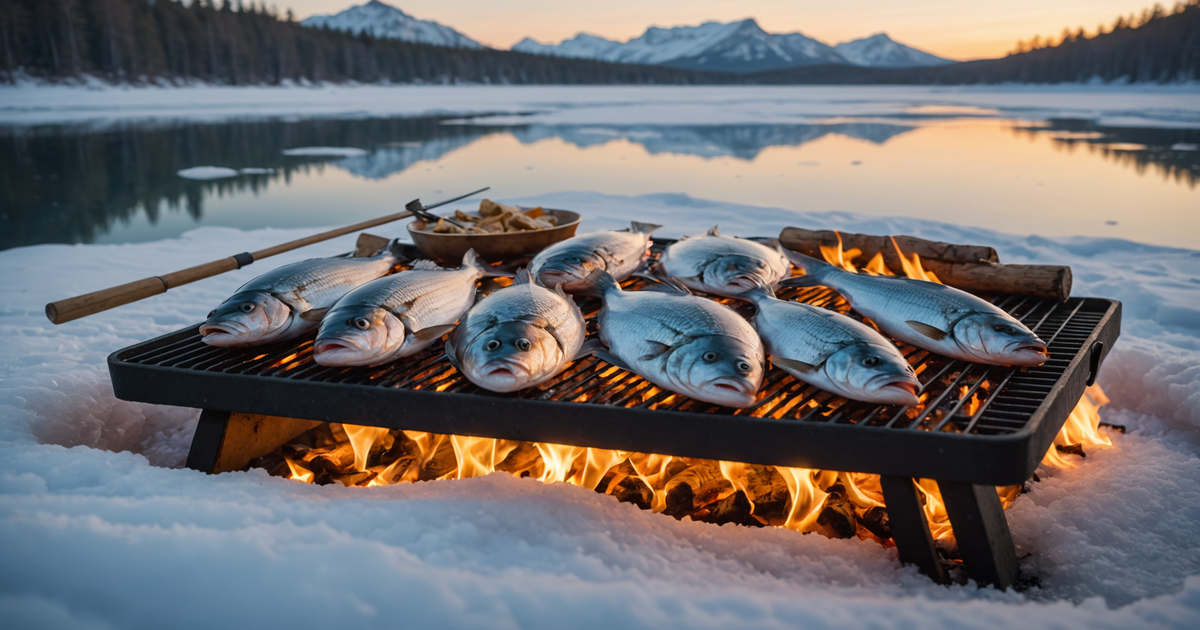
Once you’ve reeled in a catch, knowing how to prepare and cook your fish can turn a good trip into a great one. Alaska’s fresh fish is a delicacy, and there are many ways to enjoy it. For inspiration, explore Alaskan cuisine and discover traditional recipes and methods.
Conclusion
Booking an Alaska ice fishing trip is more than just a fishing excursion; it’s an adventure into the heart of nature. From the moment you step onto the frozen lakes to the thrill of pulling a fish from the icy waters, every aspect of the journey is enriched by the stunning Alaskan backdrop. By planning meticulously and respecting local regulations, you can ensure a safe, enjoyable, and unforgettable experience.
FAQ
1. What is the best time of year for ice fishing in Alaska?
The ice fishing season in Alaska typically runs from November to April, with peak months being January through March when the ice is thickest.
2. Do I need a fishing licence for ice fishing in Alaska?
Yes, a valid fishing licence is required. You can obtain one through the Alaska Department of Fish and Game.
3. Can beginners enjoy ice fishing trips in Alaska?
Absolutely. Many guided tours cater to beginners, providing all necessary equipment and instruction to ensure a fun and educational experience.
4. What types of fish can I catch while ice fishing in Alaska?
Common catches include Northern Pike, Arctic Grayling, and various trout species. Each location may offer different opportunities, so it’s best to research your chosen spot.
5. What safety measures should I take while ice fishing?
Always check the ice thickness, dress warmly, carry a first-aid kit, and keep a communication device handy. Travelling with a partner is highly recommended.
6. How do I book a guided ice fishing trip in Alaska?
Guided trips can be booked through various local tour operators. Alaska Adventure Guides offers comprehensive packages that include equipment, guides, and safety measures.
7. What should I wear for an ice fishing trip in Alaska?
Dress in layers with moisture-wicking undergarments, insulated outerwear, and waterproof boots. A well-insulated hat and gloves are also essential.
8. Are there any specific fishing techniques I should know?
Jigging is a popular technique in Alaska. For more detailed techniques, you can explore our fishing techniques section.