Introduction
Alaska, with its pristine waters and abundant wildlife, is a haven for anglers around the world. Known for its robust salmon runs, the state offers an unparalleled fishing experience. However, timing is crucial, and understanding Alaska salmon counts is key to planning a successful fishing trip. In this comprehensive guide, we will explore how you can utilise salmon run data to plan your trip and enjoy the best fishing experience possible. Whether you are opting for guided salmon fishing in Alaska or a self-guided adventure, knowing when and where to go is essential. For more detail, see official guidance.
Understanding Salmon Counts
What Are Salmon Counts? For more detail, see further information.
Salmon counts refer to the number of salmon passing through various checkpoints on their migration path, typically monitored by fishery biologists. These counts are crucial as they indicate the health and abundance of salmon populations in a given area. The data collected helps in regulating fishing activities and ensuring sustainable practices. For more detail, see detailed advice.
Why Are Salmon Counts Important? For more detail, see planning resources.
Salmon counts are vital for several reasons:. For more detail, see local insights.
- Sustainability: They ensure that fishing practices do not lead to overfishing, allowing salmon populations to thrive.
- Regulation: Counts inform regulatory bodies, such as the Alaska Department of Fish and Game, to set fishing limits and seasons.
- Optimal Planning: For anglers, salmon counts help plan trips to coincide with peak salmon runs, thus enhancing the fishing experience.
Where to Find Salmon Counts
The Alaska Department of Fish and Game provides real-time data on salmon counts through various monitoring stations across the state. These resources are invaluable for anglers planning their trips.
Best Times for Salmon Fishing in Alaska
Seasonal Runs
Salmon species such as King, Sockeye, Coho, Pink, and Chum have different migration patterns and peak at different times:
- King Salmon: Mid-May to July
- Sockeye Salmon: Mid-June to early August
- Coho Salmon: Late July to September
- Pink Salmon: Late June to mid-August (odd years)
- Chum Salmon: Mid-June to September
Understanding these timelines helps anglers decide the best time to visit specific locations.
Peak Locations
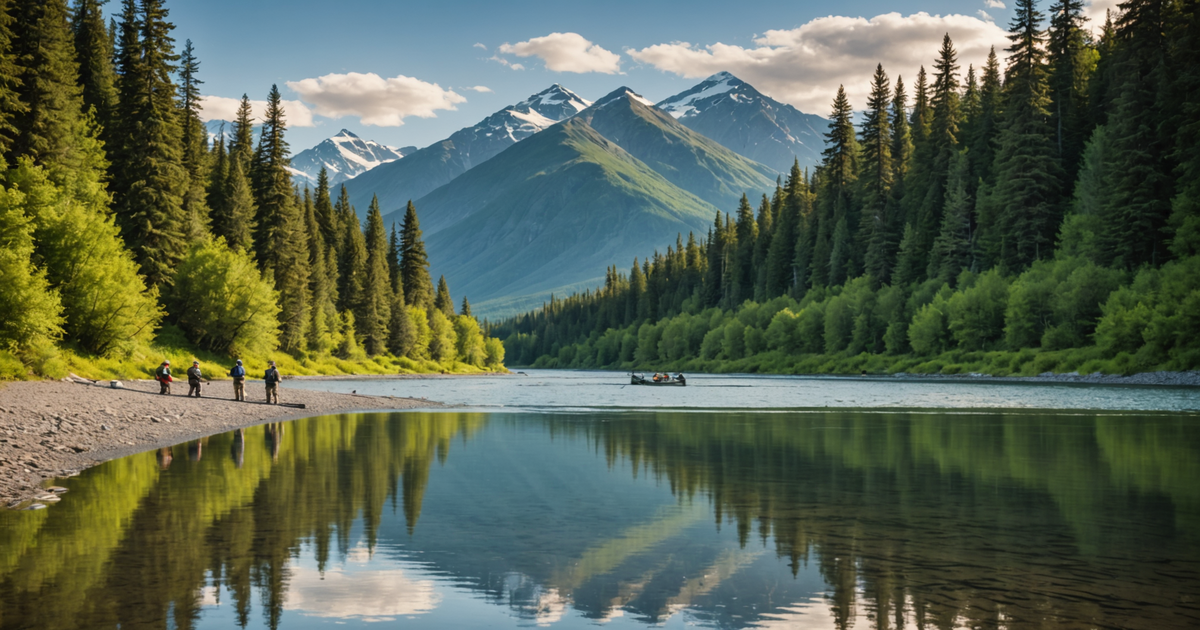
Some of the best fishing spots include:
- Kenai Peninsula: Known for its large King Salmon, this area is popular among anglers. Check out more about the Kenai Peninsula for detailed fishing guides.
- Bristol Bay: Famous for its Sockeye runs.
- Copper River: Renowned for its rich salmon populations and scenic beauty.
Planning Your Fishing Trip
Choosing the Right Gear
Selecting the proper fishing gear is crucial for a successful trip. Consider the best salmon jigs for rivers and tides to enhance your chances of a good catch.
Booking a Guided Tour
For those who prefer expert guidance, booking a guided salmon fishing tour can be a great choice. These tours often provide equipment, local insights, and increase the likelihood of a successful fishing expedition.
Understanding Regulations
Familiarise yourself with local fishing regulations by visiting the Alaska Department of Fish and Game’s regulations page. Compliance ensures sustainable fishing practices and helps preserve Alaska’s natural resources.
Conclusion
Fishing for salmon in Alaska is an experience like no other. By understanding Alaska salmon counts and utilising available resources, you can plan a trip that aligns perfectly with the peak salmon runs. Whether you’re fishing solo or with a guide, the breathtaking Alaskan wilderness awaits, promising a memorable adventure.
FAQ
1. What are Alaska salmon counts?
Alaska salmon counts refer to the monitoring data of salmon populations as they migrate through various checkpoints in the state. This information helps regulate fishing activities and maintain sustainable practices.
2. When is the best time to fish for salmon in Alaska?
The best time varies by species: King Salmon from mid-May to July, Sockeye from mid-June to early August, Coho from late July to September, Pink from late June to mid-August (odd years), and Chum from mid-June to September.
3. Where can I find salmon count data?
Real-time salmon count data is available from the Alaska Department of Fish and Game.
4. What gear should I use for salmon fishing?
Consider using specialised gear such as the best float fishing rigs for clear water to improve your salmon fishing success.
5. Do I need a fishing licence in Alaska?
Yes, a fishing licence is required to fish in Alaska. You can obtain one through the Alaska Department of Fish and Game.
6. Are guided fishing tours available in Alaska?
Yes, there are numerous guided fishing tours available that can provide local expertise and equipment.
7. How do I ensure my fishing trip is eco-friendly?
Adhere to local regulations, practice catch and release where necessary, and follow the principles of Leave No Trace to minimise environmental impact.
8. Can I fish for salmon near Anchorage?
Yes, the Anchorage area offers several opportunities for salmon fishing, with numerous local charters and guided tours available.