
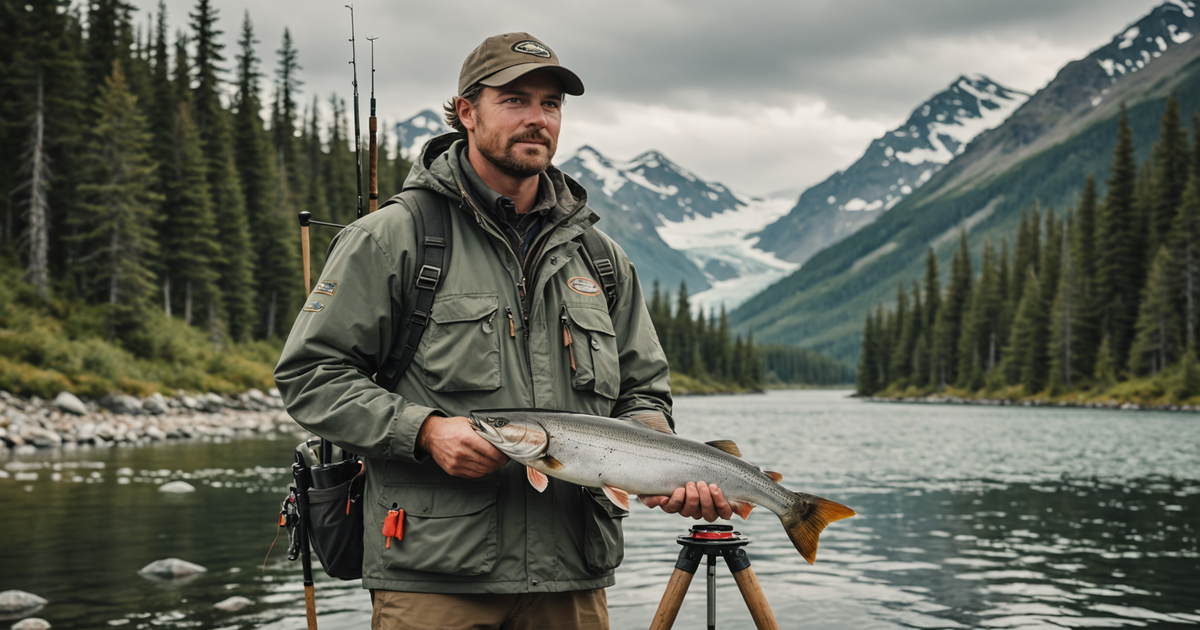
Introduction
Alaska’s vast wilderness and pristine waters make it a top destination for anglers seeking the thrill of salmon fishing. Whether you’re an experienced angler or a novice eager to learn, understanding what Alaska salmon fishing gear is essential for a successful adventure. The right gear can make all the difference when targeting the five Pacific salmon species found in Alaskan waters: Chinook, Coho, Sockeye, Chum, and Pink. This guide will provide you with comprehensive insights into the essential gear needed for each species, ensuring you are well-prepared for your next Alaskan fishing expedition. For more detail, see official guidance.
Understanding the Salmon Species of Alaska
Before delving into the specific gear required, it’s crucial to understand the distinct characteristics of each salmon species found in Alaska. This knowledge will guide your gear selection process. For more detail, see further information.
Chinook Salmon. For more detail, see detailed advice.
Chinook, also known as King salmon, are the largest of the Pacific salmon species. These powerful fish require robust gear due to their size and strength. Anglers targeting Chinook should be prepared with heavy-duty rods and reels capable of handling fish that can weigh over 50 pounds. For more detail, see planning resources.
Coho Salmon. For more detail, see local insights.
Coho or Silver salmon are known for their acrobatic fights and are typically found in freshwater streams and rivers. Medium-weight rods and reels are suitable for Coho fishing, with a focus on gear that offers flexibility to handle their spirited battles.
Sockeye Salmon
Sockeye salmon, or Red salmon, are prized for their rich flavour but are known for being challenging to catch due to their selective feeding habits. Lightweight fly fishing gear is often preferred when targeting this species, especially in clear waters.
Chum and Pink Salmon
Chum and Pink salmon are abundant in Alaskan waters. They are generally less challenging to catch than other species, making them an excellent target for beginners. Light to medium spinning gear is often sufficient for these species.
Essential Alaska Salmon Fishing Gear
Choosing the right gear for salmon fishing in Alaska involves a combination of rods, reels, lines, and terminal tackle tailored to the species you aim to catch.
Rods and Reels
The foundation of any fishing setup is the rod and reel combination. For Chinook, a heavy-action rod paired with a high-capacity spinning or baitcasting reel is advisable. Coho anglers should consider a medium-action rod with a reliable spinning reel. For those pursuing Sockeye, a lightweight fly rod with a matching reel will provide the precision needed in clear streams.
Lines and Leaders
Selecting the appropriate line and leader is critical in salmon fishing. Braided lines are popular for their strength and sensitivity, essential for detecting subtle bites. Fluorocarbon leaders are often used for their invisibility in water, which is crucial when targeting Sockeye. Ensure your line and leader are rated to handle the weight and fight of your chosen salmon species.
Lures and Baits
Lures and baits should be matched to the species and current water conditions. For Chinook, large spoons and plugs are effective, while Coho often respond well to spinners and jigs. Sockeye are typically caught using brightly coloured flies or small lures that mimic their natural prey. Chum and Pink salmon can be targeted with spinners and small spoons in vibrant colours.
Clothing and Accessories
Alaska’s weather can be unpredictable, so dressing appropriately is vital. Layered clothing, waterproof jackets, and insulated waders will keep you comfortable in varying conditions. Polarised sunglasses are also essential for reducing glare and improving visibility in the water.
Navigating Alaska’s Fishing Regulations
Before setting out on your fishing trip, it’s essential to familiarise yourself with the local fishing regulations to ensure compliance. Alaska’s Department of Fish and Game provides comprehensive guidelines on fishing seasons, catch limits, and permit requirements. Observing these regulations helps preserve the state’s rich fishing heritage for future generations.
Conclusion
Embarking on an Alaska salmon fishing adventure promises excitement and the chance to connect with nature in a truly unique setting. By equipping yourself with the right gear tailored to each salmon species and adhering to local regulations, you’re setting yourself up for a memorable and successful fishing trip. Whether you’re battling a mighty Chinook or enjoying the fight of a Coho, Alaska’s salmon fishing opportunities are unmatched.
FAQ
What is the best time for salmon fishing in Alaska?
The best time for salmon fishing varies by species and location. Generally, the peak season runs from May to September. For more detailed timing, check our guide on when is Alaska salmon season really?.
Do I need a fishing license to fish in Alaska?
Yes, all anglers require a fishing license to fish in Alaska. Licenses can be obtained online through the Alaska Department of Fish and Game.
What is the ideal rod length for salmon fishing in Alaska?
Rod length depends on the species targeted. For Chinook, a longer rod (9-10 feet) is preferable, while shorter rods (7-8 feet) are suitable for Coho and Sockeye.
Can I use fly fishing gear for all salmon species?
Fly fishing is especially effective for Sockeye salmon but can be used for other species with the appropriate setup. It is essential to tailor your flies and techniques to the specific salmon you are targeting.
How do I choose the right salmon lure?
Lure choice should consider the salmon species and water conditions. Brightly coloured lures work well in murky waters, while more natural tones are effective in clear conditions.
Are guided fishing tours available in Alaska?
Yes, guided fishing tours are available throughout Alaska, offering expert guidance and a more tailored fishing experience.
What should I pack for a salmon fishing trip in Alaska?
Pack layered clothing, waterproof gear, polarised sunglasses, sunscreen, and a camera to capture your adventure. Ensure your fishing gear is suitable for the targeted salmon species.
How do I practice catch and release?
Catch and release is an important conservation practice. Use barbless hooks, handle fish gently, and release them quickly back into the water. For more tips, see catch-and-release practices.